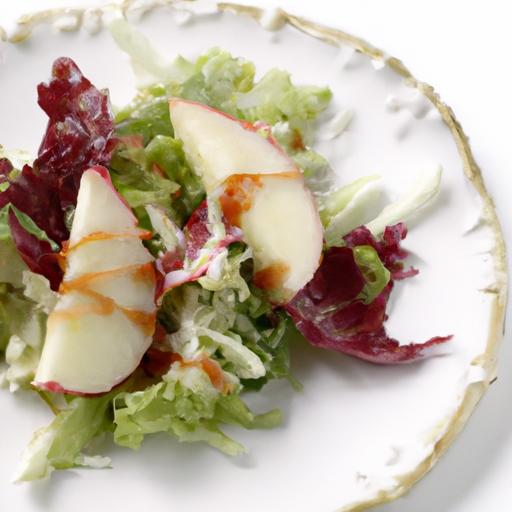

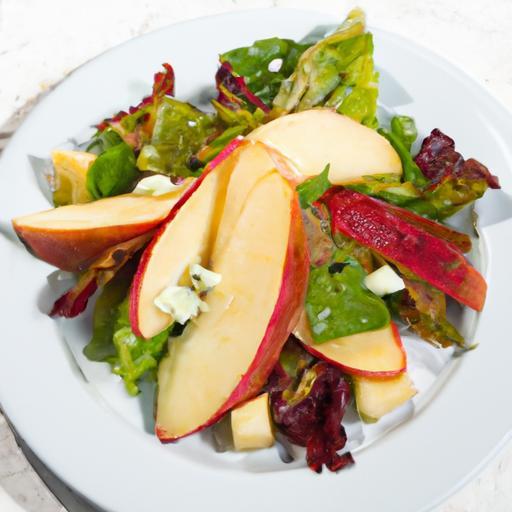
Crisp apples, crunchy celery, and toasted walnuts-these humble ingredients come together to create a salad that has stood the test of time and tantalized taste buds for over a century. The Waldorf Salad is more than just a refreshing dish; it’s a culinary story steeped in history,innovation,and classic charm. From its elegant origins in New York’s Waldorf-Astoria Hotel to the diverse variations enjoyed around the world today, this salad offers a delightful blend of flavors and textures that continues to inspire chefs and home cooks alike. In this article,we’ll unveil the fascinating history behind the Waldorf Salad,explore the conventional and modern ingredients that define it,and share appetizing recipes to bring a touch of timeless sophistication to your table.
Waldorf salad Unveiled: History,Ingredients,and Recipes brings you closer to one of the most iconic salads that effortlessly blends crisp textures and refreshing flavors. Born in the gilded era of 1893 at New York’s Waldorf-Astoria Hotel,this classic dish has stood the test of time with its simple yet harmonious combination of fresh apples,crunchy celery,toasted walnuts,and velvety mayonnaise. What makes it truly special is how these humble ingredients come together in perfect balance-a delightful crunch contrasted by creamy dressing, bright fruitiness paired with nutty undertones, and a subtle touch of sweetness.
Prep and Cook Time
- readiness: 15 minutes
- Cook Time: 10 minutes (optional to toast nuts)
- Total Time: 25 minutes
Yield
Serves 4 as a refreshing starter or side dish
Difficulty Level
Easy – perfect for cooks of all levels seeking a quick yet elegant salad to elevate any meal
ingredients
- 2 medium apples (preferably a mix of tart Granny Smith and sweet Gala), cored and diced
- 1 cup celery stalks, thinly sliced
- 1 cup walnuts, roughly chopped and toasted
- 1/2 cup mayonnaise (use light or vegan mayo if preferred)
- 1 tbsp fresh lemon juice, to prevent browning and add brightness
- 1 tsp sugar (optional, balances tartness)
- 1/4 tsp salt
- Freshly ground black pepper, to taste
- fresh curly lettuce leaves, for serving
Instructions
- Toast the walnuts: Place chopped walnuts in a dry skillet over medium heat. Sauté until golden brown and fragrant, about 5 minutes, stirring frequently to prevent burning. Set aside and allow to cool.
- Prepare the apples: In a large mixing bowl, toss the diced apples with lemon juice promptly to avoid browning. This also adds a bright, zesty layer to the salad’s flavor profile.
- Add celery and walnuts: Stir in the sliced celery and cooled walnuts, ensuring even distribution of crunch and texture.
- Make the dressing: In a small bowl, combine mayonnaise, sugar, salt, and freshly cracked black pepper. Whisk until smooth. Adjust seasoning to taste-if you prefer a lighter salad, add a teaspoon or two of water or Greek yogurt to thin it out.
- Combine: Pour the dressing over the apple mixture. Gently fold to coat all ingredients evenly without bruising the apples.
- Chill: Refrigerate the salad for at least 20 minutes before serving. This allows the flavors to meld beautifully and the dressing to chill.
- Serve: Arrange fresh curly lettuce leaves on a platter or individual plates, spoon the Waldorf Salad atop, and garnish with a few extra walnut halves or fresh herbs like parsley for color contrast.
Tips for Success
- Apple Variety: Using a combination of tart and sweet apples creates a balanced flavor,but feel free to experiment with Pink Lady or honeycrisp for added depth.
- Dressing Alternatives: For a tangier twist, replace mayonnaise with greek yogurt or a mixture of both for creaminess with added protein.
- Nut Substitutions: If walnuts aren’t your favorite, toasted pecans or almonds add fantastic richness and crunch.
- Make Ahead: Prepare the ingredients and dressing separately, than combine just before serving to maintain crispness.
- freshness Tip: Keep the apples tossed in lemon juice until just before serving to prevent discoloration.
creative Twists to Elevate Your Waldorf Salad Experience
Modern takes on this classic include integrating diced pears or adding dried cranberries for a burst of sweetness and chewiness. A drizzle of honey mustard vinaigrette can replace traditional mayo dressing for a lighter, tangy profile. To add a bit of savory contrast, toss in some crumbled blue cheese or goat cheese. For adventurous palates, sprinkle a pinch of cinnamon or nutmeg to deepen the flavor.These creative variations offer exciting avenues to personalize the Waldorf Salad while honoring its timeless essence.
Serving Suggestions
This salad shines when served as a refreshing starter alongside roasted poultry or grilled fish. It also pairs beautifully with sandwiches and light pasta dishes.For presentation, serve it nestled in crisp lettuce cups or atop butter lettuce for an elegant touch. Garnish with whole toasted walnuts and a sprig of fresh mint or parsley to enhance both visual appeal and aroma.
| Nutrient | Per Serving |
|---|---|
| Calories | 250 |
| Protein | 4 g |
| Carbohydrates | 18 g |
| Fat | 18 g |
For those looking to dive deeper into fresh, innovative salad recipes, explore our Fresh and Flavor-Packed Summer salads guide. Additionally, learn more about the original Waldorf Salad by visiting the official Waldorf Astoria site for historical context and inspiration.

Q&A
Waldorf Salad Unveiled: History, Ingredients, and Recipes – Q&A
Q1: What is a Waldorf Salad, and why is it so iconic?
A1: The Waldorf Salad is a classic American dish known for its crisp combination of apples, celery, walnuts, and mayonnaise or a creamy dressing, often served on a bed of lettuce. It first appeared in the early 20th century at New York’s Waldorf Hotel, making it an emblem of refined yet simple salad craftsmanship. Its iconic status comes from its timeless balance of sweet, tart, crunchy, and creamy textures-a harmony that delights the palate with every bite.
Q2: Who originally created the Waldorf salad, and when did it debut?
A2: The salad was created in 1896 by Oscar Tschirky, the maître d’hôtel of the Waldorf Hotel in New York City. Tschirky, affectionately known as “Oscar of the Waldorf,” crafted this elegant yet straightforward salad as part of the hotel’s upscale menu, and it quickly became a sensation, cementing its place in culinary history.
Q3: What are the traditional ingredients of a Waldorf Salad?
A3: The classic Waldorf Salad features crisp apples (typically tart varieties like Granny Smith), crunchy celery, toasted walnuts, and a creamy mayonnaise-based dressing. It’s commonly served on a bed of fresh lettuce, which adds a leafy freshness that ties all the flavors together.Some variations also include grapes or lemon juice to brighten the mix.
Q4: How has the Waldorf Salad evolved over time?
A4: Over the decades, creative cooks have adapted the Waldorf Salad by introducing yogurt or sour cream in place of mayonnaise to lighten the dressing, adding dried fruits like cranberries or raisins for extra sweetness, or even tossing in chicken for a heartier version. Vegan and gluten-free adaptations are also popular, emphasizing the salad’s flexible and inclusive nature.
Q5: Can you share a simple recipe for making a classic Waldorf Salad at home?
A5: Certainly! Here’s a quick recipe:
- 2 crisp apples (peeled and diced)
- 1 cup celery (thinly sliced)
- ½ cup walnuts (toasted and chopped)
- ½ cup mayonnaise
- 1 tablespoon lemon juice
- Salt and pepper to taste
- Lettuce leaves (for serving)
instructions:
- In a large bowl, combine diced apples and celery. Toss with lemon juice to prevent browning.
- Mix in toasted walnuts.
- Gently fold in mayonnaise, seasoning with salt and pepper.
- Serve chilled on a bed of fresh lettuce leaves.
Enjoy this crisp, creamy classic that’s stood the test of time!
Q6: What makes the Waldorf Salad a great dish for gatherings and special occasions?
A6: Waldorf Salad’s blend of textures and subtly sweet-savory flavors appeals to a wide range of tastes, making it a crowd-pleaser. its elegant appearance and refreshing qualities also make it a perfect starter or side dish for holiday meals, summer picnics, and upscale dinners alike. Plus, it’s easy to prepare in large batches, which is a bonus when hosting.
Q7: Are there any unique twists or modern takes on Waldorf Salad worth trying?
A7: Absolutely! Try incorporating exotic ingredients like pomegranate seeds for a jewel-like pop, swapping walnuts for pecans or candied nuts for sweetness, or using Greek yogurt with a drizzle of honey to lighten the dressing. For a savory twist, add crumbled blue cheese or a splash of apple cider vinegar. The Waldorf Salad’s simplicity invites endless creativity.
Q8: Why does the Waldorf Salad remain relevant in today’s culinary world?
A8: Its enduring relevance stems from its perfect marriage of flavors and textures that are both comforting and refreshing. As food trends shift toward fresh,wholesome ingredients,the Waldorf Salad’s emphasis on crisp fruits,nuts,and creamy dressings fits right in with modern tastes.It’s a nostalgic yet versatile dish that continues to inspire chefs and home cooks alike.
Discovering the waldorf Salad is like uncovering a flavorful piece of culinary history-simple, elegant, and endlessly adaptable. Whether you stick to tradition or remix it with your own flair, it’s a salad that will always crunch with charm.
To Wrap It Up
From its charming origins in New York’s Waldorf astoria to the vibrant bowls gracing modern tables, the Waldorf salad remains a delightful testament to culinary creativity and timeless flavor. Whether you prefer the classic harmony of crisp apples, crunchy celery, and toasted walnuts or enjoy experimenting with fresh twists and dressings, this salad invites both tradition and innovation onto your plate.As you explore its rich history and versatile recipes, may the Waldorf salad inspire your kitchen adventures, proving that sometimes, the simplest ingredients tell the most delicious stories.