
Beneath the delicate exterior of a sushi roll lies a world rich wiht history, culture, and artistry-a culinary journey that unspools layer by layer with each bite. From the humble beginnings of vinegared rice and preserved fish to the vibrant, inventive rolls that grace modern menus worldwide, sushi rolls tell a story far beyond their elegant appearance. In “Unrolling Flavor: the Art and History of Sushi Rolls Explored,” we dive deep into the origins, evolution, and intricate craftsmanship behind this beloved dish, revealing how tradition and innovation intertwine to create a symphony of taste and texture.Prepare to embark on a flavorful exploration that celebrates sushi rolls not just as food, but as living expressions of heritage and creativity.
unrolling Flavor: The Art and History of sushi Rolls Explored
Unrolling Flavor invites you into the engaging world of sushi rolls-a culinary journey that blends centuries-old traditions with modern innovations. From the humble beginnings of simple pressed rice and fish to the vibrant,imaginative rolls seen across the globe today,sushi rolls capture artistry,precision,and flavor in every bite. This recipe post will guide you through mastering ingredients, techniques, and pairing suggestions to elevate your sushi experience.
Prep and Cook Time
- Readiness: 45 minutes
- cooking: 20 minutes
- Total Time: 1 hour 5 minutes
Yield
- 4 servings (8 sushi rolls)
Difficulty Level
- Medium – Suitable for adventurous home cooks eager to refine their sushi rolling skills
Ingredients
- 2 cups sushi rice, rinsed thoroughly and drained
- 2 ½ cups water for cooking rice
- ⅓ cup rice vinegar
- 3 tbsp sugar
- 1 tsp salt
- 8 sheets nori (dried seaweed)
- 200g sashimi-grade tuna, cut into thin strips
- 1 avocado, sliced thinly
- 1 cucumber, julienned, seeds removed
- 2 tbsp mayonnaise (preferably Japanese Kewpie)
- 1 tsp wasabi paste
- Pickled ginger, for garnish
- Soy sauce, for dipping
- 1 tbsp toasted sesame seeds, for garnish
- Bamboo sushi rolling mat (wrapped with plastic wrap for easy cleaning)
Instructions
- Prepare the sushi rice: Combine rinsed sushi rice and water in a rice cooker or pot. Cook as directed until tender and water absorbed. While the rice cooks,gently warm rice vinegar,sugar,and salt until dissolved to create sushi vinegar.
- Season the rice: Transfer cooked rice to a wide bowl (preferably wooden). Slowly fold in the sushi vinegar with a wooden spatula, fanning the rice to cool and create a glossy texture. Cover and let rest for 15 minutes.
- Set up your rolling station: Place your bamboo mat on a flat surface. Position one sheet of nori shiny side down on the mat.
- Spread the rice: Wet your hands to avoid sticking. Spread about ¾ cup of sushi rice evenly over the nori, leaving a 1-inch border at the top edge.
- Add fillings: Spread a thin line of mayonnaise mixed with wasabi on the rice, then layer tuna strips, avocado slices, and cucumber juliennes horizontally across the rice, about 1 inch from the bottom edge.
- Roll the sushi: Lift the bamboo mat edge closest to you and carefully fold it over the fillings, pressing gently but firmly. continue rolling away from you, applying even pressure until the roll is complete. Use the exposed nori border to seal the roll with a little water if needed.
- Slice the rolls: Using a sharp, wet knife, slice each roll into eight equal pieces.Clean the knife between cuts to maintain smooth edges.
- Garnish and serve: Arrange rolls on a platter, sprinkle with toasted sesame seeds, add pickled ginger on the side, and serve with soy sauce and wasabi, if desired.
Tips for Success
- Rice mastery: Properly seasoned sushi rice is the foundation. Use short-grain rice and avoid overdrying it-warm, slightly sticky rice ensures rolls hold shape.
- Rolling technique: Don’t rush. Even pressure throughout ensures a tighter roll and prevents fillings from spilling out.
- Ingredient freshness: Choose sashimi-grade fish from trusted suppliers. Freshness dramatically enhances flavor and safety.
- Variations: Try substituting tuna with cooked shrimp tempura, smoked salmon, or grilled eel for a twist on regional styles.
- Make ahead: Sushi is best eaten fresh, but you can prep rice and fillings up to 2 hours ahead. Store covered in the fridge and roll just before serving.
Serving Suggestions
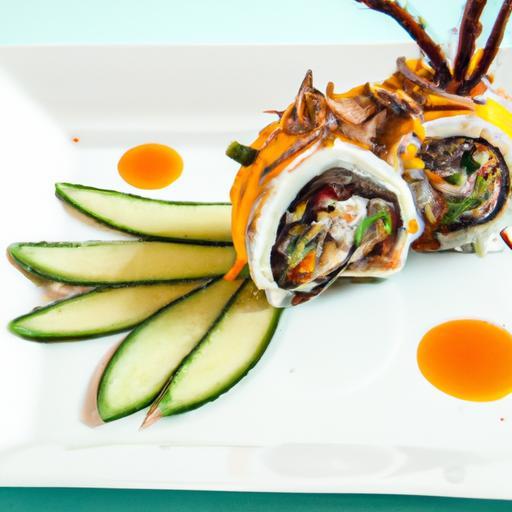
Present your sushi rolls on a long rectangular platter with accents of pickled ginger fans and a small ceramic bowl of soy sauce for dipping. Fresh shiso or microgreens add a pop of vivid green and a subtle herbal fragrance. To truly embrace the unrolling flavor experience, pair these rolls with crisp, chilled Japanese sake or a light, dry white wine like a Sauvignon blanc. For non-alcoholic options, sparkling green tea or yuzu soda beautifully complement the vibrant sushi flavors.
Regional Variations That Inspire New Creations
Exploring the globe’s sushi roll variations uncovers unexpected treasures. The California Roll, with avocado and crab, reflects Western adaptation, while the spicy rolls of the Pacific Northwest incorporate local salmon with spicy mayo accents. In Japan’s Kansai region, oshizushi (pressed sushi) influences innovative roll shapes and presentations. Consider experimenting with these flavors as you build your own signature sushi rolls at home.
| Nutrient | Per Serving (2 Rolls) |
|---|---|
| Calories | 320 kcal |
| Protein | 18 g |
| Carbohydrates | 45 g |
| Fat | 7 g |
For a deeper dive into sushi rice preparation techniques,check our Perfect sushi Rice Guide. To understand the cultural history and health benefits of sushi consumption, explore this detailed writeup on National Geographic.

Q&A
Q&A: Unrolling Flavor – The Art and History of Sushi Rolls Explored
Q1: What exactly defines a sushi roll, and how does it differ from other sushi types?
A1: At its core, a sushi roll, or maki, is a symphony of vinegared rice, fresh seafood or vegetables, and sometimes tropical fruits, all wrapped snugly in a seaweed sheet called nori. Unlike nigiri, which spotlights a hand-pressed mound of rice crowned with a slice of fish, sushi rolls are crafted as bite-sized cylinders or squares packed with layers of flavor and texture-designed for sharing and savoring in delightful bite after bite.
Q2: Were did sushi rolls originate, and how have they evolved over time?
A2: The roots of sushi roll trace back to Japan’s Edo period (1603-1868), flourishing in bustling Tokyo streets where chefs perfected the futomaki (thick roll) to tantalize fast-paced urban diners. Over centuries,sushi rolls journeyed across oceans,embracing new ingredients and palettes-from the California Roll’s creamy avocado and crab to innovative fusion creations. Each iteration unravels a story of cultural exchange,creativity,and culinary adventure.Q3: What makes a sushi roll a masterpiece rather than just a meal?
A3: It’s an artful dance between balance and contrast-where every ingredient harmonizes in taste and texture. The slightly tangy sushi rice should be sticky yet tender; the nori crispy yet yielding; the fillings vibrant and fresh. Presentation matters too: a roll is sliced with precision, revealing a colorful cross-section that’s as inviting to the eye as it is indeed to the palate. The true masterpiece respects tradition while inviting playful innovation.
Q4: How do conventional sushi rolls reflect Japanese culture?
A4: traditional sushi rolls embody the Japanese principles of shun (seasonality), wabi-sabi (beauty in simplicity and imperfection), and omotenashi (hospitality). They honor the freshest, seasonal ingredients with minimal embellishment, highlighting natural flavors. Skilled craftsmanship and meticulous attention ensure every roll is a respectful offering-a bite of Japan’s culinary soul rolled into a neat package.
Q5: Can sushi rolls be enjoyed by vegetarians and those with dietary restrictions?
A5: Absolutely! Sushi rolls boast a versatile palette. Vegetarians can indulge in vibrant creations featuring cucumber, avocado, pickled radish, egg (tamago), and even grilled mushrooms. For those avoiding gluten or seafood, chefs can customize rolls using alternative fillings like tofu, sweet potato, or creative plant-based substitutes, ensuring everyone can partake in the art of unrolling flavor.Q6: What should beginners know when trying to make sushi rolls at home?
A6: Patience and practice are your best friends. Start with mastering the sushi rice-it’s the foundation. Use a bamboo mat (makisu) to get a firm but not overly tight roll. Fresh, quality ingredients elevate your creation immensely. Don’t fret over perfection; sushi is about balance and enjoyment. Experiment with fillings, and soon you’ll be rolling with confidence and savoring your homemade masterpieces.
Q7: Why has sushi roll become such a global culinary phenomenon?
A7: Sushi rolls fuse artistry, healthfulness, and adaptability-a trifecta that resonates worldwide. Their portability and visual appeal make them perfect for modern lifestyles, while endless variations invite culinary exploration. As sushi continues to evolve, it becomes a canvas reflecting diverse cultures and tastes, inviting food lovers everywhere to unroll and savor stories beyond borders.
To Conclude
As we’ve journeyed through the vibrant tapestry of sushi rolls-from their humble origins as a method of preserving fish to the artful creations gracing tables worldwide today-it becomes clear that each bite carries a story. The sushi roll is more than just a fusion of rice, seaweed, and fillings; it is a living tradition, a festivity of culture, innovation, and flavor harmony. So next time you unwrap that perfect slice of sushi,remember: you’re savoring centuries of craftsmanship,creativity,and the unrolling of a timeless culinary art.