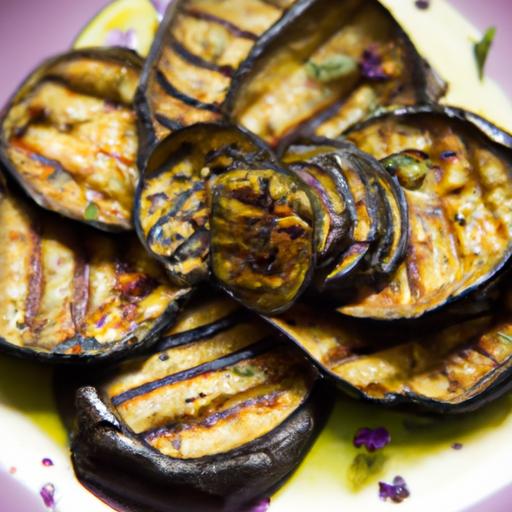

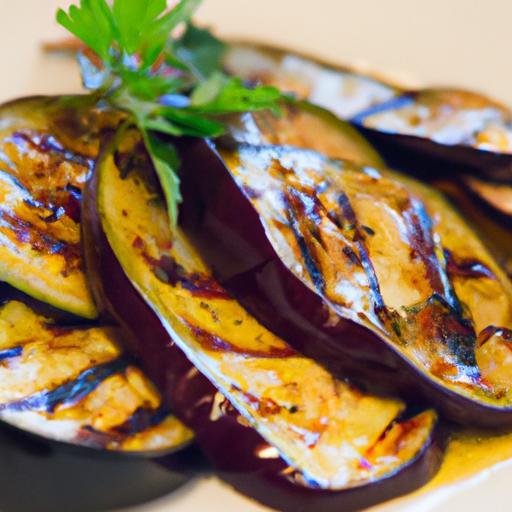
in the vast tapestry of culinary delights, few ingredients offer as much versatility and depth as the humble eggplant. Yet, unlocking its full potential requires more than just a fast roast-it demands an artful touch, a balance of heat and patience that transforms its sometimes bitter, spongy flesh into a rich, smoky symphony of flavor. In this article, we delve into the secrets behind perfectly roasted eggplant, exploring techniques that coax out its natural sweetness while infusing it with layers of complexity. Whether you’re a seasoned chef or a curious home cook, join us on a flavorful journey that turns this modest vegetable into the star of your table.
Unlocking flavor in roasted eggplant hinges on understanding the nuances of each variety’s taste and texture and mastering the art of preparation. From velvety flesh to smoky undertones, selecting the right eggplant sets the foundation for a dish bursting with rich complexity. Whether you favor a creamy globe eggplant or lean toward the tender, subtly sweet Japanese variety, knowing how to handle your produce before roasting transforms humble ingredients into a mouthwatering centerpiece.
Prep and Cook Time
Preparation: 15 minutes
Roasting: 35-45 minutes
Total Time: 50-60 minutes
Yield
serves 4 as a main or side dish
Difficulty Level
Easy to Medium: Suitable for cooks of all levels aiming to unlock flavor with minimal fuss.
Ingredients
- 2 large globe eggplants (preferably with firm, glossy skin)
- 3 tbsp extra virgin olive oil, divided
- 1 tsp sea salt
- 1/2 tsp freshly ground black pepper
- 1 tsp smoked paprika
- 3 garlic cloves, finely minced
- 1 tbsp balsamic vinegar
- Fresh herbs for garnish (such as parsley, thyme, or oregano)
- Optional: 1 tbsp tahini for drizzling
Instructions
- Choose your eggplants thoughtfully. For an intense,creamy texture,opt for firm,heavy globe eggplants with smooth skin. Asian varieties like Japanese or Italian eggplants bring subtle sweetness and more delicate flesh-perfect for lighter dishes.
- Prepare the eggplants. Wash thoroughly.Slice each eggplant lengthwise into 1-inch thick slabs for even roasting. Lightly score the flesh in a diamond pattern to allow olive oil and seasonings to penetrate deeply.
- Master the pre-roast seasoning. Lay the slices on a lined baking sheet. Brush both sides generously with 2 tablespoons of olive oil. Sprinkle sea salt evenly-this step draws out excess moisture and softens bitterness while enhancing natural sweetness.
Tip: Let the salted slices rest for 15 minutes,then gently pat dry with paper towels to remove excess water. - Ready your oven. Preheat to 425°F (220°C). Position your rack in the middle for optimal heat circulation.
- Roast the eggplants. Arrange slices in a single layer on the baking sheet. Roast for 20 minutes, flip carefully, then roast for an additional 15 to 25 minutes until golden brown and tender. The flesh should yield easily to a fork but hold its shape.
Tip: For a smoky undertone, finish with a quick broil for 2-3 minutes, watching carefully to avoid burning. - Create your flavor boost. While the eggplants roast, whisk together the remaining 1 tablespoon of olive oil, minced garlic, smoked paprika, balsamic vinegar, and black pepper. This vibrant blend will elevate your dish, adding complex layers.
- Dress and serve. Once roasted, transfer the eggplant slices to a serving platter. Brush generously with the garlic-spiced oil mixture. Garnish liberally with fresh herbs. For a luscious finish, drizzle with tahini or a sprinkle of toasted pine nuts.
Tips for success
- Salting is essential. This traditional technique tames bitterness and firms up the flesh, resulting in a creamier texture after roasting.
- Experiment with varieties. Try Purple Beauty or graffiti eggplants for striking color and slightly different taste profiles.
- Keep an eye on roasting time. Overcooked eggplant can become mushy; undercooked slices remain bitter and tough. Checking tenderness by piercing with a fork is your best guide.
- Make ahead: Roasted eggplant can be cooled completely, covered, and refrigerated for up to 3 days. Reheat gently or serve chilled as part of a mezze spread.
Serving Suggestions
Present roasted eggplant slices alongside crusty artisan bread, a dollop of creamy Greek yogurt, or folded into vibrant grain bowls. Sprinkle pomegranate seeds for a pop of color and sweetness or pair with a fresh tomato and cucumber salad. A drizzle of herb-infused olive oil or a splash of lemon juice brightens every bite.
| nutrient | Per Serving |
|---|---|
| Calories | 135 kcal |
| Protein | 3 g |
| carbohydrates | 12 g |
| Fat | 9 g |
For more vibrant vegetable roasting ideas, see our ultimate guide to roasting vegetables. To understand eggplant nutrition and health benefits,visit Healthline’s overview on eggplants.

Q&A
Q&A: Unlocking Flavor – The art of Perfectly Roasted Eggplant
Q1: Why is eggplant such a tricky vegetable to roast perfectly?
A1: eggplant is like a culinary chameleon-its spongy flesh soaks up oil and flavors like a magnet, but if roasted improperly, it can turn mushy, bitter, or bland. The key challenge lies in balancing moisture retention with caramelization, unlocking its natural sweetness without turning it into a soggy mess.
Q2: what’s the secret to ensuring a crispy exterior with a creamy inside?
A2: It’s all about temperature and prep. high heat roasting-think 425°F or more-helps to caramelize the sugars on the surface, creating that golden, slightly charred crust. Meanwhile, salting the eggplant beforehand draws out excess moisture, preventing sogginess and concentrating its savory depth. A light brushing of oil seals in moisture and encourages that coveted crispness.
Q3: How does salting impact the flavor and texture of roasted eggplant?
A3: Salting is the unsung hero of roasting eggplant.When you sprinkle salt and let it rest, the eggplant releases bitter moisture, which is then drained away. This process reduces bitterness, improves texture by firming up the flesh, and ultimately allows the pure, rich flavors to shine through when roasted.
Q4: Can you roast eggplant whole, or do you need to slice it?
A4: Both methods have thier charm. Roasting whole eggplants over flame or in the oven yields a smoky, silky interior perfect for dips like baba ganoush. Slicing creates more surface area for crispness and caramelization, ideal for layering in dishes like eggplant parmesan or ratatouille. Your choice depends on the flavor and texture you want to unlock.
Q5: Are there any seasoning tricks to elevate roasted eggplant?
A5: Absolutely! Eggplant’s mild flavor craves bold companions. Before roasting, a drizzle of olive oil mixed with garlic, fresh herbs like thyme or rosemary, and a sprinkle of smoked paprika or cumin can amplify its earthiness. Post-roast,a squeeze of lemon juice or a scattering of fresh parsley brightens the dish,turning roast eggplant into a flavor symphony.
Q6: What common roasting mistakes should be avoided?
A6: Beware of under-roasting-eggplant needs time to soften and develop flavor, so rushing it leaves a rubbery bite. Over-oiling is another pitfall; too much oil makes it greasy rather than crispy. Lastly, skipping the salting step often results in bitterness and excess moisture, dulling the complexity of the roasted flavor.
Q7: How can perfectly roasted eggplant transform a meal?
A7: When roasted to perfection, eggplant transcends its humble origins.It becomes a luxurious, velvety canvas that adds depth and umami to any dish-from simple salads and pastas to extravagant Mediterranean feasts. Mastering this art brings vibrant textures and smoky-sweet notes that can turn weeknight dinners into indulgent culinary celebrations.
Unlocking the flavor of roasted eggplant is both an art and a science. With the right techniques, patience, and a touch of creativity, this versatile veggie can become the star ingredient your kitchen has been waiting for. Happy roasting!
Closing Remarks
As the final bite of perfectly roasted eggplant melts on your tongue, you realize that this humble vegetable holds a world of flavor waiting to be unlocked. Mastering the art of roasting eggplant transforms it from a mere ingredient into a culinary star-its smoky sweetness and velvety texture inviting endless creativity in your kitchen. Whether nestled in a vibrant dip, layered in a hearty casserole, or simply savored on its own, roasted eggplant proves that with a little technique and a touch of patience, everyday vegetables can become unusual. So next time you face an eggplant, don’t just cook it-roast it to perfection, and let its deeper flavors tell their flavorful story.