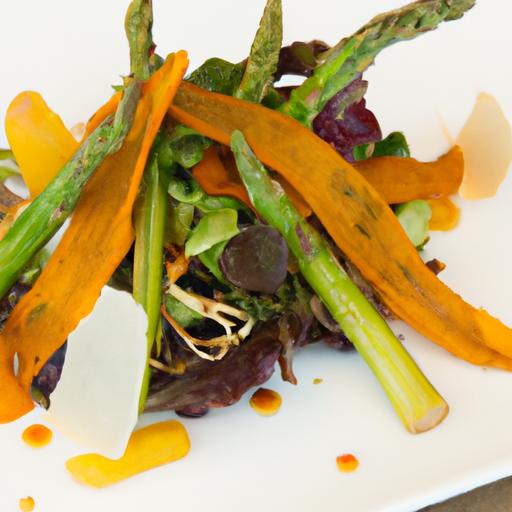

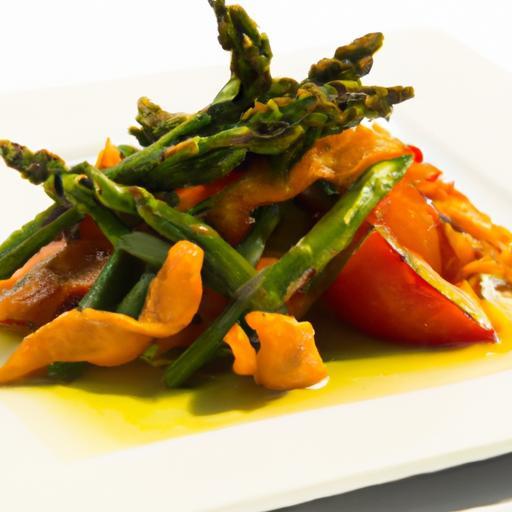
There’s a quiet magic that happens when vegetables meet heat-a change that transcends mere cooking to become a symphony of flavor, texture, and aroma. Roasting vegetables is an age-old craft,a delicate dance between science and artistry that unlocks hidden depths and layers within humble roots,greens,and gourds. From the caramelized edges to the tender, golden centers, each bite tells a story of chemical reactions and culinary intuition. In this exploration of “unlocking Flavor: The Art and Science of Roasted Vegetables,” we’ll journey through the principles that turn simple produce into irresistible dishes, revealing how technique, temperature, and time combine to elevate everyday vegetables into unforgettable culinary experiences.
Unlocking Flavor in roasted vegetables begins with selecting the freshest,most vibrant produce to highlight their natural sweetness and earthy undertones. Choosing the right vegetables not only ensures a burst of flavor but also balances textures-from tender-crisp to luxuriously caramelized edges. Weather it’s the deep orange of heirloom carrots or the organic gloss of baby Brussels sprouts, every choice contributes to a symphony of taste and color on your plate.
Prep and Cook Time
- Preparation: 15 minutes
- Cooking: 30-40 minutes
- Total Time: 45-55 minutes
Yield
- Servings: 4 generous portions
Difficulty Level
- Easy to Medium – Perfect for beginners and seasoned cooks alike
Ingredients
- 3 cups mixed vegetables (such as baby carrots, Brussels sprouts halved, fingerling potatoes, and red bell peppers), washed and cut into uniform pieces
- 3 tbsp extra-virgin olive oil
- 1 tsp flaky sea salt
- ½ tsp freshly ground black pepper
- 1 tbsp balsamic vinegar
- 2 tsp honey or pure maple syrup (to enhance natural sweetness)
- 2 cloves garlic, thinly sliced
- 1 tsp smoked paprika (optional, for depth and warmth)
- Fresh herbs: 1 tbsp chopped rosemary or thyme
Instructions
- Preheat your oven to 425°F (220°C). This temperature strikes the perfect balance for caramelization without drying out your vegetables.
- Toss the vegetables in a large bowl with olive oil, sea salt, black pepper, garlic slices, smoked paprika, and fresh herbs. Ensure each piece is evenly coated for consistent roasting.
- Spread the vegetables in a single layer on a rimmed baking sheet lined with parchment paper. Crowding the pan will steam the veggies rather then roast, so keep space between them.
- roast for 20 minutes, then remove the tray and drizzle with balsamic vinegar and honey/maple syrup. Use a spatula to flip each piece for even browning.
- Continue roasting for an additional 10-15 minutes until the vegetables are tender and boast golden edges with a slight char-this contrast is key to unlocking flavor nuances.
- Remove from the oven and let rest briefly. The residual heat deepens sweetness and melds flavors beautifully.
Tips for Success
- Vegetable size matters: Cut pieces uniformly to ensure even cooking.
- High-quality oil enhances mouthfeel and flavor; avoid cheap, heavily processed options.
- For crispier textures, flip halfway through roasting, but don’t overflip to maintain those charred spots.
- Vegetarian or vegan? use pure maple syrup instead of honey to keep it plant-based.
- Make ahead: Roast the day before, then reheat in a hot oven to revive crispness while locking in flavors.
Creative Serving Ideas
Present your roasted vegetables as a stunning centerpiece by layering them over a bed of fluffy quinoa or creamy whipped feta. Sprinkle toasted pine nuts or crumbled aged Parmesan on top for textural contrast. A dollop of herb-infused yogurt or a drizzle of citrusy tahini sauce brightens the plate, creating a powerful flavor interplay. For a seasonal twist, garnish with pomegranate seeds or fresh microgreens to add bursts of color and freshness.

| Nutrient | Per Serving |
|---|---|
| Calories | 180 kcal |
| protein | 4 g |
| Carbohydrates | 25 g |
| Fat | 8 g |
For an in-depth understanding of vegetable roasting chemistry and tips on perfect seasoning, visit Serious Eats. Don’t forget to explore our related post on Perfect Roast Chicken Techniques to complement these vibrant vegetables perfectly.
Q&A
Q&A: Unlocking Flavor – the Art and Science of Roasted Vegetables
Q1: Why does roasting vegetables bring out such deep, complex flavors?
A: Roasting is a magical transformative process. When vegetables hit high heat, their natural sugars undergo caramelization, creating sweet, nutty, and sometimes slightly smoky notes. Meanwhile, the Maillard reaction-an interaction between amino acids and reducing sugars-adds layers of savory richness. This interplay of chemical reactions unlocks flavors that steaming or boiling simply can’t coax out.
Q2: Are all vegetables equally suited to roasting?
A: While most vegetables can be roasted, some shine brighter than others. Root vegetables like carrots, beets, and parsnips excel because their dense, starchy nature caramelizes beautifully. Cruciferous veggies like Brussels sprouts and cauliflower develop a welcome crispness and depth.Leafy greens or watery vegetables like zucchini roast quickly but frequently enough benefit from a gentler approach to avoid sogginess.
Q3: How important is the size and cut of vegetable pieces for roasting?
A: Size matters! Uniform pieces cook evenly, ensuring no burnt edges or underdone centers. Small chunks or thin slices can create delightful crispiness, while larger chunks retain a satisfying tender bite inside. Remember, the goal is balanced texture and flavor-too large, and you risk uneven roasting; too small, and you might end up with mushy bits.
Q4: What role do fats and seasonings play in roasting?
A: Fats like olive oil act as conduits for heat, promoting even browning and adding richness. They also help herbs and spices cling to the veggies, enhancing flavor penetration. Seasoning with salt before roasting is crucial-it draws out moisture and intensifies natural flavors. Adding fresh herbs post-roast can introduce bright, contrasting notes that uplift the dish.
Q5: Can roasting affect the nutritional value of vegetables?
A: Roasting can slightly reduce heat-sensitive nutrients like vitamin C,but it also makes some antioxidants more bioavailable by breaking down cell walls. The key is to roast at moderate high temperatures and avoid overcooking-this preserves nutrients while maximizing flavor. Plus, compared to frying, roasting is a relatively healthy cooking method since it requires minimal oil.
Q6: How can I elevate my roasted vegetables from side dish to star attraction?
A: Elevation comes from layering flavors and textures. Try finishing with a squeeze of fresh lemon juice or a sprinkle of toasted nuts for crunch. Drizzling with a tangy vinaigrette or a dollop of creamy yogurt can add complexity. Experiment with bold spices like smoked paprika or cumin to impart an exotic flair. The artistry lies in balancing these elements to complement the vegetable’s natural character.
Q7: any pro tips for perfect roasted veggies every time?
A: Absolutely. Preheat your oven thoroughly to ensure immediate searing. Don’t overcrowd the pan-air circulation is critical for crisp edges. Flip or stir once mid-roast for even color. And trust your senses: golden-brown color, inviting aroma, and a fork that slides in with slight resistance are your cues that perfection has been achieved.
Unlock the secrets of roasting and transform everyday vegetables into culinary masterpieces that sing with flavor and invite endless creativity!
To Wrap It Up
As the final ember of heat fades and the aroma of caramelized goodness lingers, we come to appreciate that roasting vegetables is far more than a simple cooking method-it is indeed an art form grounded in science. Each flip, each sprinkle of seasoning, and every moment in the oven unlocks layers of flavor hidden within humble roots, stems, and leaves. By understanding the chemistry of caramelization and embracing the intuitive dance between heat and ingredient, we transform everyday vegetables into remarkable delights.So next time you prepare your kitchen canvas, remember: the secret to unlocking vibrant, mouthwatering flavors lies in the perfect roast-a harmonious blend of technique, patience, and a dash of culinary curiosity.