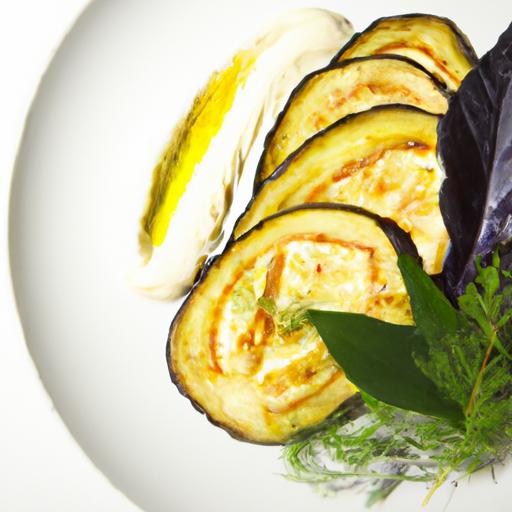

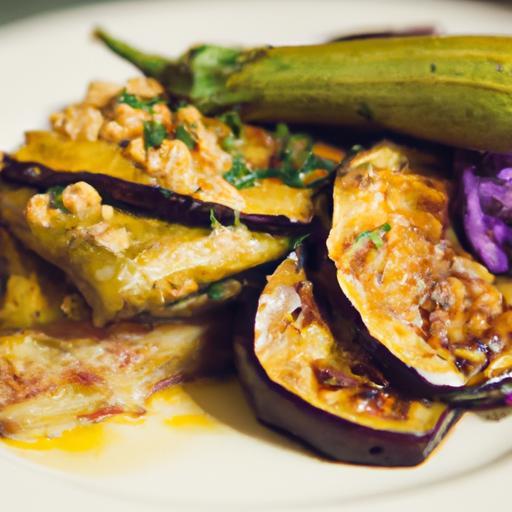
In the realm of culinary alchemy, few ingredients transform as profoundly and tantalizingly as the humble eggplant. Behind its glossy, purple exterior lies a world of rich, smoky depths waiting to be awakened thru the simple yet precise act of roasting. “Unlocking Flavor: The Art and Science of Roasted Eggplant” invites you to journey beyond the basics,peeling back layers of technique and chemistry that turn this versatile vegetable into a masterpiece of taste and texture. Whether you’re a seasoned chef or a curious home cook, discover how heat, time, and a touch of patience can coax out eggplant’s fullest potential-transforming it from bland to bold, silky to smoky, ordinary to exceptional.
Unlocking flavor in roasted eggplant is a journey that invites you to explore the fascinating chemical transformations and the art of crafting the perfect balance between smokiness and sweetness. This humble vegetable undergoes a magical change through roasting, turning its somewhat bitter flesh into a luscious, caramelized delight that enhances any dish it graces.
Prep and Cook Time
- Readiness: 10 minutes
- Cooking: 35 minutes
- Total Time: 45 minutes
Yield
Makes 4 servings
Difficulty Level
Medium - perfect for home cooks ready to experiment with flavor layers and textures.
Ingredients
- 2 medium globe or Italian eggplants (firm, glossy skin for best texture)
- 3 tbsp extra virgin olive oil, divided
- 1 tsp sea salt
- ½ tsp freshly ground black pepper
- 1 tsp smoked paprika (optional, to enhance smokiness)
- 2 cloves garlic, minced
- Fresh herbs for garnish (cilantro, parsley, or mint work beautifully)
- Juice of ½ lemon (to brighten flavors)
Instructions
- Preheat your oven to 425°F (220°C).For an authentic smoky touch, consider using a broiler or charcoal grill if available.
- Prepare the eggplants: Wash and dry them thoroughly. Pierce the skin a few times with a fork to allow steam to escape, wich prevents bursting.
- Roast whole: Place eggplants directly on the oven rack or grill. Roast for ~35 minutes, turning every 10 minutes until the skin is charred and the flesh collapses, indicating its melt-in-your-mouth soft.
- Cool slightly: Set the roasted eggplants on a plate. Once manageable, peel away the charred skin carefully; it should lift off effortlessly, revealing smoky, tender flesh beneath.
- Drain and season: transfer the flesh to a bowl, discard excess liquid for creamier texture. Mix in olive oil, salt, pepper, minced garlic, and smoked paprika (if using). Stir gently to combine.
- Adjust flavor: Add lemon juice to balance the earthiness with fresh acidity. Taste and tweak seasoning as necessary.
- Serve warm or room temperature, garnished with fresh herbs for a vibrant finish.
Understanding the Chemical Conversion Behind Roasting Eggplant
Roasting eggplant triggers the Maillard reaction and caramelization-two chemical processes key to unlocking its signature flavor. The Maillard reaction occurs when amino acids and reducing sugars interact under high heat, developing complex, savory notes that mimic smoky richness. Meanwhile, caramelization gently sweetens the eggplant flesh as natural sugars break down and concentrate. This transformation softens the fibers, turning what was once slightly spongy into a creamy, luscious texture that’s irresistibly satisfying.
Selecting the Perfect eggplant Varieties for Optimal Flavor and Texture
Choosing the right eggplant sets the foundation for success.Classic globe or Italian varieties are ideal for roasting due to their dense flesh and balanced moisture.For smaller dishes or lighter textures, Japanese or Chinese eggplants offer a sweeter, less bitter profile and thinner skin that chars beautifully. Always pick firm eggplants with taut, shiny skin and no blemishes to ensure a robust flavor without bitterness or excess wateriness.
Mastering Temperature and Timing to Enhance Smokiness and Sweetness
Consistent high heat-between 400°F to 450°F-is essential to coax out deep caramelized flavors and smokiness. Cooking too low won’t create enough charring; too high might burn and impart bitterness. Rotating the eggplants every 10 minutes ensures even cooking and balanced texture. for a smoky twist, use a grill or broiler that exposes the eggplant to direct flame, amplifying the natural char and delivering earthy notes reminiscent of traditional Middle Eastern smoky dishes.
Innovative Serving Suggestions to Elevate Roasted Eggplant Dishes
Roasted eggplant’s versatility invites creativity. For a refreshing Mediterranean vibe, serve atop toasted pita with dollops of creamy labneh, pomegranate seeds, and a drizzle of tahini. Blend roasted flesh into a smoky baba ganoush, enhancing with roasted garlic and a pinch of cumin. For a hearty vegetarian entrée, layer slices with fresh mozzarella and tomato, finish under the broiler for a rich eggplant parmigiana. On warm flatbreads, pair with spiced yogurt, toasted pine nuts, and fresh herbs for a vibrant, textural contrast sure to impress.
tips for Success
- Avoid sogginess: Let the peeled eggplant sit in a colander to drain excess liquid for 10 minutes before seasoning.
- Peeling made easy: Use your hands or a spoon to scoop off skin easily once cool; under-roasted eggplant skin will be stubborn.
- Make-ahead: roasted eggplant can be stored refrigerated in an airtight container for up to 3 days-flavors deepen beautifully overnight.
- Flavor boosters: Adding smoked paprika or a dash of liquid smoke can intensify the roast’s smoky effect if not using a grill.
- Substitutions: Sun-dried tomatoes or capers can add luminous, savory bursts when mixing the eggplant flesh.
Serving Suggestions
- Spread on warm crusty bread with a drizzle of chili-infused olive oil and fresh basil leaves.
- Fold into grain bowls with roasted chickpeas, grilled vegetables, and a tangy tahini dressing.
- Use as a luscious topping on wood-fired pizzas with goat cheese and caramelized onions.
- Serve alongside grilled meats as a smoky, vegetable-rich side.
- Garnish with pomegranate arils and toasted almonds for a festive appetizer presentation.
| Nutritional Facts (per serving) | Calories | Protein | Carbohydrates | Fat |
|---|---|---|---|---|
| Roasted Eggplant Dish | 140 kcal | 3 g | 12 g | 9 g |

For more inspiration on vegetable roasting techniques and deep flavor development, explore our article on Perfect Roasted Vegetables: Tips & Tricks. To dive deeper into the science of the Maillard reaction, visit Science.org’s detailed overview.
Q&A
Q&A: Unlocking Flavor – the Art and Science of Roasted Eggplant
Q1: Why does roasting transform eggplant into such a flavor powerhouse?
Roasting is like a culinary magic trick for eggplant. When exposed to dry, intense heat, the vegetable’s natural sugars undergo caramelization, while its fibers break down, creating a luscious, melt-in-your-mouth texture. This process also drives off excess moisture,concentrating the earthy,smoky essence that makes roasted eggplant irresistibly savory and complex.
Q2: Is there a science behind the smoky, almost meaty flavor of roasted eggplant?
Absolutely! Eggplant’s spongy flesh soaks up heat and air, allowing Maillard reactions to take center stage. This chemical dance between amino acids and sugars produces rich, browned compounds that give roasted eggplant its signature deep, umami notes-almost like a vegetarian’s secret weapon for hearty flavor.
Q3: What techniques elevate roasted eggplant beyond just “cooked vegetable”?
The key lies in preparation and heat. Pricking the skin or slicing the eggplant exposes more surface area to roasting heat, enhancing caramelization. Using high temperatures-around 400°F (200°C) or more-ensures a crisped exterior with a velvety interior. For extra complexity, try seasoning with salt beforehand to draw out moisture, or finish with a splash of acid like lemon juice to brighten the rich, smoky profile.
Q4: Can different roasting methods change the flavor?
Definitely! Roasting whole eggplants over an open flame or on a grill imparts a charred smokiness reminiscent of smoky mezze, perfect for baba ganoush. Oven roasting results in a sweeter, more controlled caramelization, ideal for layered dishes. Even roasting in a cast-iron pan or under a broiler tweaks textures and depth, inviting experimentation.
Q5: How does understanding the science of roasting help home cooks master eggplant?
Knowing the behind-the-scenes chemistry empowers cooks to manipulate roasting variables-temperature, time, preparation-to coax out desired flavors and textures. It transforms eggplant from a sometimes mushy mystery into a versatile ingredient with layered taste, encouraging confidence to explore bold recipes, from smoky spreads to hearty stews.
Q6: What are some must-try flavor companions to roasted eggplant?
Roasted eggplant pairs beautifully with bright acidity-think tahini and yogurt sauces-or pungent aromatics like garlic, cumin, and smoked paprika. Fresh herbs such as parsley or mint add contrast, while a drizzle of good olive oil or a sprinkle of toasted nuts introduces richness and crunch. The art is balancing earthiness with vibrancy to unlock eggplant’s full potential.
Unveiling the secrets of roasting transforms humble eggplant into a star of the table-a perfect blend of art and science that invites exploration and creativity in every bite.
To Conclude
As the final ember of roasting fades and the smoky aroma lingers in the air, we come to appreciate that unlocking the true flavor of eggplant is both an art and a science. From understanding its unique texture and chemistry to mastering the perfect roast, each step transforms this humble vegetable into a canvas of rich, complex tastes. Whether you’re a seasoned chef or a curious home cook, the journey of roasting eggplant invites experimentation, patience, and a touch of creativity. So next time you encounter this glossy purple gem, remember: beneath its skin lies a world of flavor waiting to be revealed-one golden, caramelized bite at a time.