
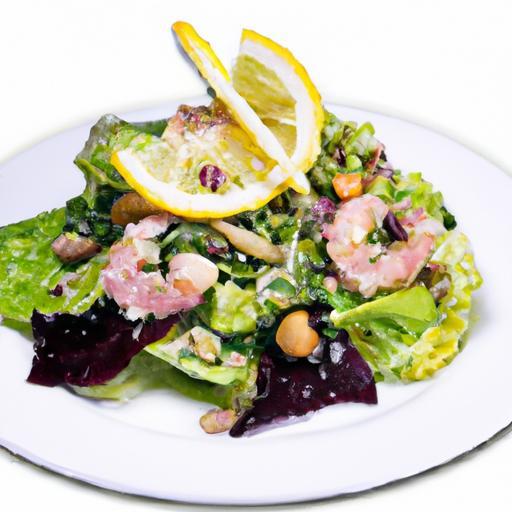
In the diverse world of culinary delights, few condiments capture the essence of vibrant simplicity quite like Italian dressing. This beloved blend of herbs, vinegar, and oil not only awakens salads with its zesty charm but also tells a story steeped in tradition, innovation, and regional pride. “Unlocking Flavor: The Art and History of Italian Dressing” invites you on a flavorful journey-from the rustic kitchens of Italy to the modern tables around the globe-exploring how this humble dressing evolved into a versatile staple. Whether drizzled over fresh greens or used as a marinade, italian dressing embodies a timeless balance of taste and tradition that continues to inspire chefs and home cooks alike.
Unlocking Flavor: the journey of Italian dressing is an aromatic voyage through centuries of Italian culinary tradition, blending rustic simplicity with vibrant freshness. Emerging from the sun-drenched hills of Italy, this beloved dressing is more than just a salad companion-its an expression of heritage, balance, and artisanal craft. From its humble roots as a sauce for preserving olives to its modern incarnations on tables worldwide, the Italian dressing captures the essence of Mediterranean living with every drizzle.
Prep and Cook Time
Readiness Time: 10 minutes
Cook Time: 0 minutes (no cooking needed)
Yield
Approximately 1 cup of dressing (serves 4-6)
Difficulty Level
Easy
Ingredients
- ½ cup extra-virgin olive oil, cold-pressed, for robust flavor
- ¼ cup red wine vinegar, the perfect balance of tang
- 1 tablespoon fresh lemon juice, adds a luminous, zesty note
- 1 teaspoon dried oregano, the hallmark herb of Italian cuisine
- 1 teaspoon dried basil, sweet and fragrant
- 1 teaspoon finely minced garlic, raw for a pungent kick
- 1 teaspoon Dijon mustard, for emulsification and subtle heat
- 1 teaspoon honey or sugar, to soften acidity elegantly
- Salt and freshly cracked black pepper, to taste
- 1 tablespoon finely chopped fresh parsley, for a fresh herbal lift
- Optional: pinch of red pepper flakes for gentle heat
Instructions
- Combine Acidic Elements: In a medium bowl or jar, whisk together the red wine vinegar, fresh lemon juice, Dijon mustard, and honey until the sugar dissolves completely. This foundation balances the sweet and sour notes crucial for an authentic italian dressing.
- Add Herbs and Garlic: Stir in the dried oregano, dried basil, minced garlic, and fresh parsley. Let these meld for 5 minutes – this blooming allows the dried herbs to release their full aromatic potential.
- Slowly Emulsify: While continuously whisking, slowly drizzle in the extra-virgin olive oil. This gradual incorporation creates a luscious and stable emulsion, essential for the perfect mouthfeel.
- Season to Taste: Add salt and freshly cracked black pepper incrementally. Taste frequently-seasoning is the key to unlocking flavor.
- Rest and Refrigerate: Cover and refrigerate the dressing for at least 30 minutes to harmonize the flavors. Bring to room temperature before serving and give a gentle shake or stir to recombine separated ingredients.
Tips for Success
- Oil matters: Choose a high-quality, cold-pressed extra-virgin olive oil for a bright, fruity finish.
- Fresh vs. Dried Herbs: Fresh herbs can be swapped in equal measure but add near the end to preserve their brightness.
- Honey Choice: Maple syrup or agave nectar can be used for a different sweet undertone if honey isn’t available.
- Emulsion Issues: If your dressing separates too quickly, add an extra teaspoon of mustard or blend using an immersion blender for a creamier texture.
- Make Ahead: dressing can be refrigerated up to one week; bring it back to room temperature and whisk before each use.
Serving Suggestions
This vibrant dressing shines best draped over mixed greens such as crisp romaine, peppery arugula, or even a classic Italian chopped salad loaded with tomatoes, cucumbers, bell peppers, and Kalamata olives. For an elevated experience, drizzle it over grilled vegetables, seafood, or even roasted chicken. Garnish your plate with freshly grated Parmesan, a sprinkle of cracked pepper, and a sprig of parsley or basil to enhance the visual appeal and flavor harmony.

| nutrient | Per 2 tbsp Serving |
|---|---|
| Calories | 120 kcal |
| protein | 0 g |
| Carbohydrates | 1.5 g |
| Fat | 14 g (mostly healthy monounsaturated) |
Exploring Unlocking Flavor: Embracing Creative Variations
While the classic Italian dressing represents an ideal balance, venturing into creative variations elevates every salad experience.Imagine adding rosemary or thyme for a piney accent or swapping the red wine vinegar with balsamic vinegar to deepen sweetness and complexity. Incorporate a splash of orange juice for a refreshing citrus twist or stir in grated zest for aromatic punch. Even a sprinkle of toasted nuts or finely grated Pecorino Romano cheese can transform simple greens into a gourmet delight.
Pair this dressing with hearty Italian staples like Caprese Salad or drizzle over warm polenta for a luscious contrast. For a credible external source on Italian culinary heritage, the Food Timeline’s Salad History provides rich context that deepens gratitude of salad dressings worldwide.
Q&A
Q&A: Unlocking Flavor – The Art and History of Italian Dressing
Q1: What makes Italian dressing so iconic in the world of flavors?
A1: Italian dressing is a symphony of zesty, herbal, and tangy notes-an evocative embrace of Mediterranean sunshine bottled into every drop. Its iconic status comes from the perfect harmony between vibrant olive oil, bright vinegar, fragrant herbs, and savory spices. This blend not only awakens salads but also transports palates straight to the rolling hills of Italy.
Q2: Where did Italian dressing originally come from?
A2: Surprisingly, Italian dressing as we certainly know it isn’t a traditional Italian staple but an American invention inspired by Italian flavors. It emerged in the early 20th century when Italian immigrants in the U.S. began adapting their rich culinary heritage to local ingredients. This dressing became a convenient, bottled way to capture the essence of italian seasoning without the fuss.Q3: What are the key ingredients that define Italian dressing?
A3: At its core, Italian dressing features a lively vinaigrette base-typically olive oil and vinegar (often red wine or white wine vinegar)-brightened by garlic, oregano, basil, parsley, and occasionally a hint of crushed red pepper flakes. Dijon mustard or honey might be added for emulsification and complexity. Each ingredient plays a vital role, creating layers of flavor that are both refreshing and robust.Q4: How has Italian dressing evolved over time?
A4: Over the decades, Italian dressing has seen countless variations, adapting to regional tastes and culinary trends. From creamy versions that include mayonnaise or buttermilk to spicy or sweetened twists, it has become a versatile companion beyond salads-marinating vegetables, drizzling over grilled meats, or even as a dipping sauce.Its evolution reflects the creativity and global palate of modern cuisine.
Q5: Can you recommend a simple homemade Italian dressing recipe?
A5: Absolutely! Here’s a swift and vibrant recipe to whip up at home:
- ½ cup extra virgin olive oil
- ¼ cup red wine vinegar
- 1 teaspoon dried oregano
- 1 teaspoon dried basil
- 1 garlic clove, minced
- 1 teaspoon Dijon mustard
- ½ teaspoon sugar or honey (optional)
- Salt and freshly ground black pepper to taste
Whisk all ingredients together until emulsified. For a luscious texture, shake vigorously in a sealed jar. This fresh version captures the artful spirit of Italian dressing, perfect for transforming any salad into a celebration.Q6: Why does Italian dressing continue to captivate so many palates worldwide?
A6: Italian dressing endures because it embodies simplicity and versatility wrapped in vibrant, fresh flavors. It evokes a sense of warmth and conviviality-qualities deeply rooted in Italian food culture. Whether on a bed of crisp greens or as a tantalizing marinade, its ability to elevate and harmonize diverse dishes ensures its lasting appeal across generations and cuisines.
Q7: How can understanding the history of Italian dressing enhance our culinary appreciation?
A7: Knowing that Italian dressing is a bridge between heritage and innovation deepens our connection to what’s on our plate. It reminds us that culinary traditions are living stories, adapted and reimagined by each cook. This awareness enriches the dining experience, encouraging us to savor not just the taste but also the cultural journey behind every flavorful drizzle.
Closing Remarks
As we drizzle the final drops of Italian dressing over our salads, we’re reminded that this humble blend is much more than a mere condiment-it’s a vibrant tapestry woven from centuries of tradition, culture, and culinary craftsmanship. Unlocking its flavor is not just about mastering recipes, but about honoring a history that celebrates fresh ingredients, regional nuances, and the timeless dance of herbs and spices. So next time you savor that tangy,herbaceous splash,remember you’re tasting a story-one that continues to evolve with every kitchen and every diner fortunate enough to enjoy the art of Italian dressing.