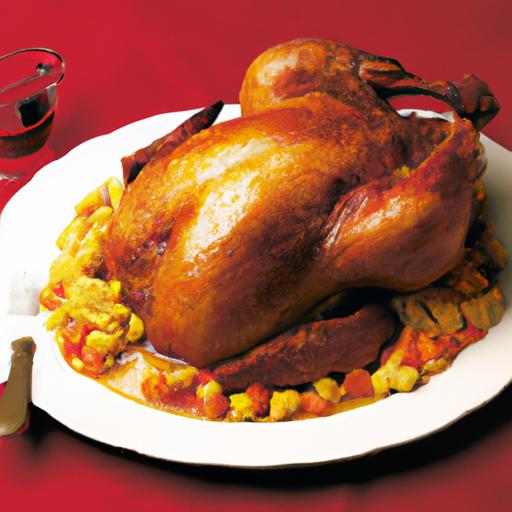

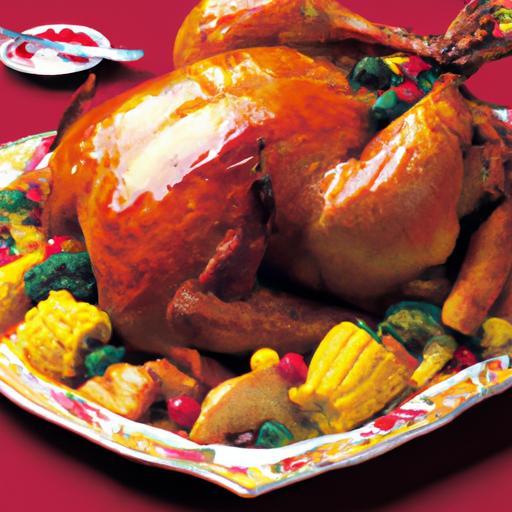
As autumn leaves paint the landscape in hues of amber and gold, kitchens across the world come alive with the tantalizing aroma of roasting turkey-a centerpiece that unites families and friends in a shared party of abundance and gratitude. Turkey dinner traditions are far more than just a meal; they are a rich tapestry woven from cultural rituals, heartfelt memories, and sensory delights that engage sight, smell, taste, touch, and even sound. From the sizzle of savory stuffing to the comforting warmth of spiced cranberry sauce, these feasts embody a flavorful journey that invites all senses to join in the festive chorus. In this article, we explore the captivating customs and culinary nuances that transform the humble turkey dinner into an enduring symbol of connection, heritage, and heartfelt celebration.
Turkey Dinner traditions invite us to savor textures and aromas that transform a simple meal into a cherished sensory celebration. This classic feast, rooted in heritage and heart, brings warmth to the table through tender roasted turkey, vibrant sides, and comforting spices. Today, we’ll explore creative twists on beloved dishes, elevating familiar flavors while respecting the rich legacy that defines every holiday gathering.
Prep and Cook Time
- Planning: 30 minutes
- Cook Time: 3 hours 15 minutes
- Total Time: 3 hours 45 minutes
Yield
Serves 8-10 hearty portions
Difficulty level
Medium – perfect for home cooks eager to impress with traditional flavors and modern flair
Ingredients
- 1 whole turkey (12-14 pounds), thawed
- 4 tablespoons unsalted butter, softened
- 1 tablespoon fresh rosemary, finely chopped
- 1 tablespoon fresh thyme, finely chopped
- 1 tablespoon fresh sage, finely chopped
- 4 garlic cloves, minced
- 1 large onion, quartered
- 2 carrots, cut into chunks
- 2 celery stalks, cut into chunks
- 1 lemon, halved
- Salt and freshly ground black pepper, to taste
- 2 cups low-sodium chicken broth
- 1 cup dried cranberries (for sauce)
- 3 tablespoons brown sugar (for sauce)
- 1 teaspoon orange zest (for sauce)
- 1/4 cup pecans, toasted (optional garnish)
- Creative Side Dish – Roasted brussels sprouts with Pomegranate and Hazelnuts
- 1 pound Brussels sprouts, halved
- 2 tablespoons olive oil
- Salt and pepper, to taste
- 1/2 cup pomegranate seeds
- 1/4 cup toasted hazelnuts, chopped
Instructions
- Prepare the turkey: Preheat oven to 325°F (163°C). Remove giblets from turkey cavity and pat dry with paper towels.
- Make herb butter: In a small bowl, combine softened butter, chopped rosemary, thyme, sage, and minced garlic. Mix until aromatic and well blended.
- Season the turkey: Gently loosen the skin from the breast by sliding your fingers underneath.Spread half of the herb butter beneath the skin, massaging evenly to coat the meat. Smear the remaining butter on the skin exterior. Season generously with salt and freshly ground black pepper inside and out.
- Stuff the cavity: Place lemon halves, onion quarters, carrots, and celery into the turkey cavity for moisture and flavor infusion.
- Roast the turkey: Place turkey breast-side up on a rack in a roasting pan. Tent with foil and roast for 2 hours. Remove foil and baste every 30 minutes with pan juices. continue roasting until internal temperature reaches 165°F (74°C) in the thickest part of the thigh, about 1 hour more.
- Rest the turkey: Remove from oven, tent loosely with foil, and let rest for 30 minutes before carving to lock in juices and enhance tenderness.
- Prepare cranberry-orange sauce: Combine dried cranberries, brown sugar, orange zest, and 1/2 cup of water in a small saucepan. Simmer gently for 15 minutes until cranberries burst and sauce thickens. Cool slightly.
- Roast Brussels sprouts: Toss Brussels sprouts with olive oil, salt, and pepper on a baking sheet. Roast at 400°F (204°C) for 20 minutes, turning halfway through until caramelized and crisp-tender.
- Finish Brussels sprouts: Remove from oven, sprinkle with pomegranate seeds and toasted hazelnuts for vibrant color and crunchy texture contrast. Toss lightly and serve promptly.
- Carve and serve: Slice the turkey, arranging on a large platter, and surround with Brussels sprouts.Drizzle cranberry-orange sauce over slices or serve on the side. Garnish plated servings with extra herbs and toasted pecans for an elegant finish.
Tips for Success
- Resting the turkey is crucial; it allows the juices to redistribute, resulting in a succulent bird.
- Herb butter can be made a day ahead and refrigerated to intensify flavors.
- For an even crispier skin,pat the turkey dry thoroughly and consider a brief blast under the broiler at the end of roasting.
- Brussels sprouts vary in size; if large, cut them into quarters to ensure even roasting.
- Use kitchen shears to trim the turkey’s skin around wings and legs for better presentation.
Serving Suggestions
Enhance the sensory richness of your feast through beautiful plating. Serve the turkey slices with a spoonful of cranberry-orange sauce, alongside the jewel-toned Brussels sprouts. A scattering of toasted nuts adds an inviting crunch, while fresh herb sprigs bring an earthy aroma.Complement with warm, buttery mashed potatoes or a golden cornbread to round out the meal. Pair everything with a crisp white wine or a spiced cider to awaken the palate and honor tradition with a modern twist.

| Nutrient | Per Serving | % Daily Value |
|---|---|---|
| Calories | 520 kcal | 26% |
| Protein | 48 g | 96% |
| Carbohydrates | 22 g | 7% |
| Fat | 21 g | 32% |
For inspiration on sides that pair beautifully with your turkey, see our Holiday Side Dishes Guide. For ancient context about the cultural importance of turkey dinners, visit the History Channel’s Thanksgiving History.
Q&A
Q&A: Turkey Dinner Traditions - A Flavorful Feast for All senses
Q1: What makes a turkey dinner more than just a meal?
A1: A turkey dinner is much more than food on a plate; it’s a sensory celebration that combines sight, smell, taste, sound, and even touch. From the golden, crispy skin glistening under the warm kitchen light to the intoxicating aroma of herbs and spices, every element beckons the senses. The crackling sound as the turkey is carved and the comforting texture of tender meat and flaky stuffing all come together to create a feast that nourishes both body and soul.Q2: How have turkey dinner traditions evolved over time?
A2: Turkey dinners have deep roots in history,especially tied to harvest festivals and communal gatherings. Initially symbolizing gratitude for the year’s bounty, these feasts have evolved to embrace diverse cultural influences and modern tastes. While the classic roast turkey remains a centerpiece, people now infuse their dinners with unique recipes, regional flavors, and innovative side dishes, blending tradition with creativity to keep the celebration vibrant and inclusive.
Q3: What are some of the key sensory elements involved in a traditional turkey dinner?
A3: The feast engages every sense. Visually, the table is often adorned with autumnal hues-cranberry reds, pumpkin oranges, and sage greens-setting a festive mood. The aroma of roasting turkey, mingled with cinnamon, cloves, and fresh herbs, fills the air, inviting anticipation. Sounds of laughter, clinking glasses, and gentle music create a warm ambiance. Tasting is delightfully layered: juicy turkey, savory gravy, sweet cranberry sauce, and buttery mashed potatoes. Even touch plays a role-the crispness of a fresh dinner roll or the creamy smoothness of pumpkin pie rounds out the multisensory experience.Q4: how do different cultures add their own twist to the turkey dinner tradition?
A4: Around the world, turkey dinners are flavored by local customs and ingredients. In the American South, smoked turkey with cornbread stuffing and collard greens nods to regional heritage. In parts of Mexico, turkey might be seasoned with mole sauce, blending chocolate and chili spices. Scandinavian families may add lingonberry sauce or winter root vegetables. Each cultural addition enriches the table, showing how the turkey dinner can be both universal and beautifully unique.
Q5: Why do turkey dinners often bring people together beyond just sharing food?
A5: At its heart, a turkey dinner is an occasion for connection. The act of preparing and sharing such a substantial meal fosters collaboration, storytelling, and gratitude. It’s a time when generations mingle, traditions are passed down, and new memories are created. The feast becomes a sensory backdrop for love,togetherness,and celebration-a reminder that food can nourish human bonds as much as it satisfies hunger.
Q6: What tips can help someone create a truly memorable turkey dinner experience?
A6: To craft a flavorful feast for all senses, start early with planning and incorporate fresh, seasonal ingredients to ensure vibrant tastes.Involve family and friends in preparation to enhance the communal spirit. Set the scene with thoughtful décor and warm lighting to engage the eyes and mood. Don’t rush-allow time to savor each bite and each moment. embrace tradition but be willing to personalize, because the most memorable turkey dinners are those that reflect the heart of those gathered around the table.
To wrap It Up
As the aromas of roasted turkey and spiced stuffing linger in the air,the tapestry of Turkey dinner traditions reveals more than just a meal-it unfolds a sensory celebration that connects past and present,family and friends. From the sizzle of the oven to the laughter around the table, each bite is a story, each flavor a memory waiting to be shared. Whether seasoned with cherished recipes or sprinkled with new twists, the Turkey dinner remains a timeless feast that nourishes not only the body but the soul, inviting all senses to partake in a flavorful journey of togetherness.