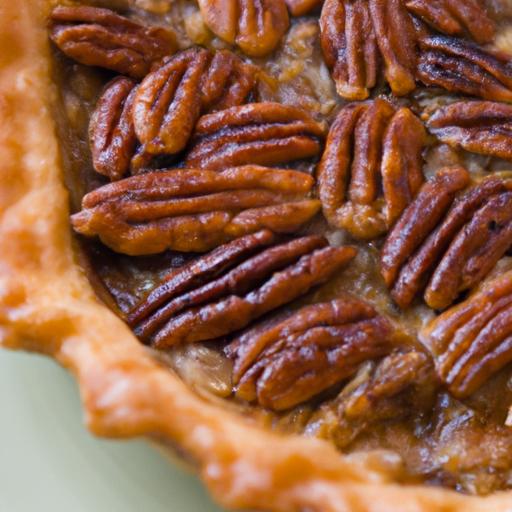

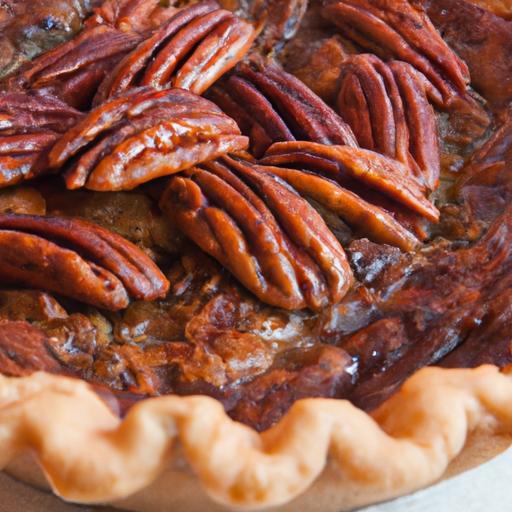
There’s something undeniably magical about pecan pie-its golden, glossy crust cradling a rich, caramelized filling studded with toasted pecans evokes warmth, comfort, and festive celebrations. But behind every slice of this Southern classic lies a fascinating interplay of chemistry and culinary artistry.”The Sweet Science Behind Perfectly Nutty Pecan Pie” peels back the layers of this beloved dessert to reveal how sugar’s alchemy, the chemistry of eggs, and the subtle toasting of nuts come together in tasty harmony. Whether you’re a seasoned baker or a curious foodie, join us as we explore the precise science that transforms simple ingredients into a symphony of textures and flavors, turning humble pecan pie into an unforgettable treat.
The Sweet Science Behind Perfectly Nutty Pecan Pie
The sweet science behind perfectly nutty pecan pie begins with understanding the intricate dance of flavors and textures that create this timeless dessert. From the moment the sugar starts to caramelize in the filling, to picking the ideal pecans that deliver that irresistible crunch, every detail counts. This pie isn’t just about baking-it’s about chemistry, technique, and a deep gratitude for balance.
Prep and Cook Time
- Readiness: 20 minutes
- Baking: 50-60 minutes
- Cooling Time: 2 hours
Yield
Serves 8 generous slices
Difficulty Level
Intermediate – perfect for home bakers ready to elevate their dessert game
Ingredients
- 1 cup all-purpose flour, sifted
- ½ cup cold unsalted butter, cubed
- 2 tbsp granulated sugar
- ⅓ cup ice cold water
- 1 cup light corn syrup
- ¾ cup packed dark brown sugar
- 3 large eggs, lightly beaten
- ⅓ cup unsalted butter, melted and cooled
- 2 tsp pure vanilla extract
- ½ tsp fine sea salt
- 1 ½ cups pecan halves, toasted
Instructions
- Make the crust: In a food processor, pulse the flour, sugar, and cold butter until the mixture resembles coarse crumbs. Gradually add ice water, 1 tablespoon at a time, pulsing until dough just comes together. Wrap the dough in plastic wrap, flatten into a disk, and chill for at least 30 minutes.
- Preheat the oven to 350°F (175°C). Roll out the chilled dough on a lightly floured surface to fit a 9-inch pie plate. Press the dough into the plate, trimming excess edges. Chill the crust while you prepare the filling.
- Toast the pecans: Spread pecans on a baking sheet and toast in the preheated oven for 7-8 minutes until fragrant. Allow to cool; this enhances their flavor and crunch, pivotal for the sweet science behind perfectly nutty pecan pie.
- Prepare the filling: In a large bowl, whisk together corn syrup, brown sugar, eggs, melted butter, vanilla, and salt until smooth and glossy. The corn syrup helps create that classic caramel-like texture in the filling.
- Assemble the pie: Arrange the toasted pecan halves evenly over the chilled crust. Pour the filling mixture slowly over the nuts, allowing it to seep between the halves without disturbing their pattern.
- Bake: Place the pie on the middle rack of the oven. Bake for 50 to 60 minutes, or until the filling is set but still slightly wobbly in the center and the crust turns golden and crisp. To prevent the edges from burning, cover them with foil halfway through baking if they brown too quickly.
- Cool: Remove the pie from the oven and allow it to cool completely on a wire rack-this step is crucial to let the filling fully crystallize, solidifying the balance of sweetness and crunch.
Chef’s Notes: Tips for Success
- Caramelization control: Avoid overheating the filling mixture before baking, as excessive heat can cause bitterness rather than a rich, nutty caramel flavor.
- Nut selection: Choose fresh, firm pecans with deep mahogany hues and avoid pre-packaged pecans labeled as “processed” to maintain optimal crunch and flavor.
- Ingredient ratios: The interplay between dark brown sugar and corn syrup controls both the sweetness and the gooey texture-adjust these in small increments to personalize your pie’s richness without compromising structure.
- Crust perfection: Use cold butter and minimal handling when preparing the crust for a flaky, tender base that crisps beautifully in the oven.
- Make ahead: The pie can be baked a day in advance and stored in the refrigerator, allowing the flavors to meld even deeper.
Serving Suggestions
For an unforgettable presentation, serve warm slices topped with a dollop of freshly whipped cream or a scoop of vanilla bean ice cream. Garnish with a few extra toasted pecans and a light dusting of powdered sugar. Pair your pie with a robust cup of coffee or a smooth bourbon for a classic Southern experience.

| Nutrient | Per Serving |
|---|---|
| Calories | 420 kcal |
| Protein | 5 g |
| Carbohydrates | 52 g |
| Fat | 22 g |
Explore more about pecan pie crust recipes to master the art of the ultimate base. For a deeper dive into the science of sugar caramelization, visit Science Daily’s article on caramelization.
Q&A
Q&A: The Sweet Science Behind Perfectly Nutty Pecan Pie
Q1: What makes pecan pie so irresistibly delicious?
A1: Pecan pie’s charm lies in its magical marriage of textures and flavors. The buttery,flaky crust cradles a rich,gooey filling composed of caramelized sugars and eggs,while the pecans add a toasty crunch. Scientifically, it’s all about the Maillard reaction-the process that browns nuts and crusts-unlocking warm, nutty aromas that our senses adore.
Q2: How does the sugar transform during baking to create that luscious filling?
A2: The key player is a precise sugar dance. Granulated sugar and corn syrup combine to create a stable syrup that thickens without crystallizing. As the pie bakes, heat causes the sugars to melt and interact with eggs, forming a custard-like texture.The sugar molecules also undergo caramelization and Maillard reactions, deepening the filling’s color and flavor.
Q3: Why are pecans the perfect nut for this pie?
A3: pecans bring a naturally sweet, buttery profile packed with healthy fats that enhance richness. Their slightly oily texture helps them toast beautifully during baking, releasing fragrant oils that amplify the pie’s aroma. Additionally, the shape and size of pecans create a delightful contrast between crunchy nuts and smooth filling.
Q4: What role do eggs play in pecan pie filling?
A4: Eggs act as both a binder and a custard base. Their proteins coagulate under heat,setting the filling into a silky,firm structure that holds the nuts in place. They also contribute to that glossy sheen on top. Without eggs, the filling would be runny and lack that quintessential creamy texture.
Q5: Can you explain why the crust is so important in the final pie?
A5: Absolutely! The crust serves as the foundation, providing structure and a buttery counterpoint to the sweetness inside. Achieving a flaky crust involves chilling the butter so it melts slowly during baking, creating steam pockets that lift layers. This contrast of crisp crust and tender filling is essential to pecan pie perfection.
Q6: Any tips for ensuring the nuts don’t get soggy?
A6: To keep pecans crisp, it’s best to toast them lightly before baking. This draws out moisture and intensifies flavor. Also, spreading the nuts evenly over the filling and baking at the right temperature-usually around 350°F-helps the top set quickly, preserving that coveted crunch.
Q7: how does temperature influence the chemistry of baking pecan pie?
A7: Temperature is the conductor of this baking symphony.Too low, and the sugars won’t fully caramelize, resulting in a pale, bland filling. Too high,and the sugars can burn or the filling can curdle.Maintaining that sweet spot around 350°F allows gradual thickening, proper Maillard browning, and a perfectly set custard.
Q8: Can substitutions effect the science and flavor of pecan pie?
A8: definitely. Swapping corn syrup for honey or maple syrup introduces different sugar compositions and moisture levels, altering caramelization and texture. Using different nuts changes oil content and flavor depth. Even gluten-free crusts bake differently, impacting flakiness.Understanding these tweaks helps bakers anticipate how their pie’s chemistry will change.Q9: What’s the best way to serve pecan pie for the ultimate sensory experience?
A9: Serving pecan pie slightly warm invites a soft, molten filling with peaks of nutty crunch. A scoop of vanilla ice cream adds creamy coolness, balancing caramel sweetness. The contrast between warm and cold, soft and crunchy, elevates both taste and texture, making each bite a delight.
Q10: Why is pecan pie considered the “sweet science”?
A10: As every element-from sugar chemistry to nut roasting and crust formation-is a delicate scientific balance.Each ingredient and temperature tweak orchestrates molecular transformations that culminate in a sensory masterpiece. Mastering pecan pie means embracing both art and chemistry to create that perfect nutty sweetness we all crave.
The Conclusion
As the aroma of toasted pecans mingles with the buttery crust and caramel-kissed filling, it’s clear that crafting the perfect pecan pie is no mere kitchen whimsy-it’s a delicate dance of chemistry and craftsmanship. Behind every slice lies a symphony of sugars, fats, and nuts playing in harmonious balance, transforming humble ingredients into a timeless dessert. So the next time you savor that rich, nutty bite, remember: you’re tasting not just a pie, but the sweet science perfected through tradition, technique, and a touch of culinary magic.