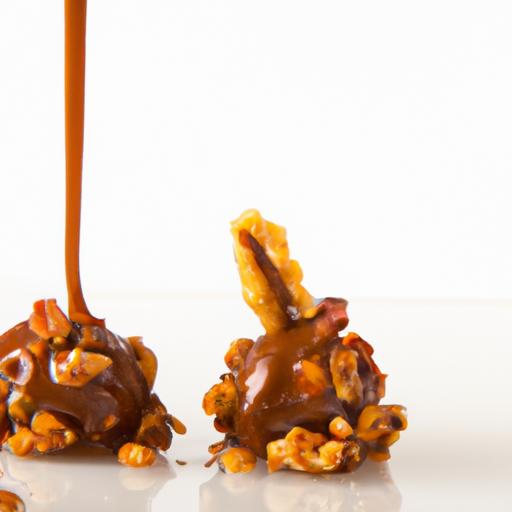

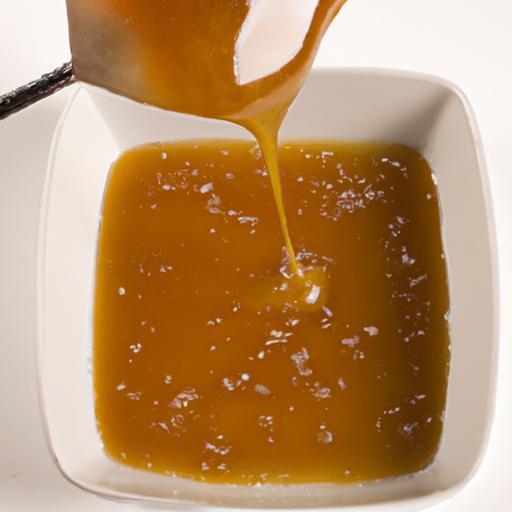
There’s a certain magic in the alchemy of caramel sauce-a delicate dance of sugar, heat, and time that transforms simple ingredients into luscious amber silk. Often dubbed “the sweet science,” caramel-making balances precision and intuition, where temperature and technique dictate whether you end up with a bitter scorch or a velvety, golden masterpiece. Beyond its rich flavor and glossy texture, perfecting caramel sauce is an art form that invites both patience and creativity, unlocking a world of culinary possibilities from drizzling over desserts to enriching sauces and confections. In this exploration, we’ll unravel the secrets behind achieving flawless caramel, blending scientific insight with practical tips to help you master this timeless delight in your own kitchen.
The Sweet Science and Art of Perfect caramel Sauce begins with a deep understanding of sugar chemistry, a foundation essential to mastering the conversion of simple sugar into a luscious, amber-hued delight. This alchemical process is what turns everyday ingredients into a silky, flavorful sauce that can elevate countless desserts and treats. Whether you’re simmering sugar over gentle heat or balancing cream and butter to create decadence, grasping the molecular dance at play empowers you to avoid the all-too-common pitfall of burnt bitterness and uneven texture.
prep and Cook Time
- Readiness: 5 minutes
- Cooking: 15 minutes
- Total Time: 20 minutes
Yield
- makes approximately 1 ½ cups (375 ml) of caramel sauce
Difficulty Level
- Medium – Requires attentive stirring and temperature control
Ingredients
- 1 cup granulated sugar
- 6 tbsp unsalted butter, cut into cubes, room temperature
- 1/2 cup heavy cream, warmed
- 1 tsp pure vanilla extract
- 1/4 tsp fine sea salt (optional, for salted caramel)
Instructions
- Warm the sugar: In a medium, heavy-bottomed saucepan, sprinkle the granulated sugar evenly over the base and set over medium heat.
- Caramelize the sugar: allow the sugar to melt slowly without stirring initially. onc edges begin to liquify, use a heatproof spatula or swirl the pan gently to encourage even melting and prevent clumps.
- Watch the color: As the sugar melts, it will transition from clear to a light amber and then to a deep caramel brown. This is the crucial moment – remove the pan immediatly once the rich amber hue is reached to avoid bitterness.
- Add butter carefully: Immediately whisk in the unsalted butter cubes one at a time, stirring vigorously until fully incorporated, creating a thick, bubbling caramel base.
- Incorporate cream: Slowly pour the warmed heavy cream into the caramel while whisking continuously. The sauce will bubble vigorously; this is normal. Continue whisking until smooth and combined.
- Finish with flavor: Remove from heat and stir in the vanilla extract and sea salt if using. Allow the sauce to cool slightly; it will thicken as it rests.
- transfer and store: Pour the caramel sauce into a heatproof jar. Let cool to room temperature before sealing and refrigerating.
Tips for Success: Mastering heat and Ingredients
- Use a heavy-bottomed pan to ensure even heat distribution and to prevent hotspots that cause uneven caramelization.
- Keep a close eye on the sugar as it changes color-the window between perfect caramel and burnt sugar is narrow.
- Warm your cream beforehand to reduce shocking the hot caramel and prevent crystallization.
- If crystallization occurs,dissolve it by adding a teaspoon of lemon juice or corn syrup before melting sugar.
- For an extra silkiness, add a tablespoon of light corn syrup during caramelization to inhibit recrystallization.
- Use unsalted butter for control over salt levels and better consistency.
- When reheating, warm gently over low heat or in short bursts in the microwave to preserve smooth texture.
Serving Suggestions
Drizzle this velvety caramel sauce generously over vanilla bean ice cream, warm apple pie, or fluffy pancakes for an indulgent treat. Garnish with a sprinkle of flaky sea salt or a few toasted nuts to highlight the sauce’s depth. Use it as a dip for fresh fruit slices or swirl into your favorite coffee or hot chocolate for a rich,homemade twist.

| nutrient | Per 2 tbsp serving |
|---|---|
| Calories | 110 kcal |
| Protein | 0.2 g |
| Carbohydrates | 15 g |
| Fat | 6 g |
For an in-depth understanding of sugar’s molecular behaviour and to expand your confectionery expertise, visit the Royal Society of Chemistry’s guide on sugar chemistry. Additionally, explore our homemade butterscotch sauce recipe for a rich variation on caramel flavors.
Q&A
Q&A: The sweet Science and Art of Perfect Caramel Sauce
Q: What exactly makes caramel sauce “perfect”?
A: Perfect caramel sauce strikes a harmonious balance of rich, buttery sweetness and deep, toasted complexity. It’s glossy, smooth, and luxuriously thick-but pourable-coating everything it touches with golden decadence. Achieving this requires precision, patience, and respect for the sugar’s transformative journey.
Q: Why is caramel called the ”sweet science”?
A: Becuase caramelization is a precise chemical dance where sugar molecules break down and recombine under controlled heat,creating new compounds that give caramel its signature flavor and color. One second too long or a few degrees too hot, and that golden elixir can surrender to bitterness or graininess. It’s science folded into appetizing art.
Q: What are the essential ingredients for the best caramel sauce?
A: At its core, caramel is simple: sugar, butter, heavy cream, and a pinch of salt.But quality and technique elevate it. Using pure cane sugar, unsalted European-style butter, and fresh, high-fat cream ensures a luscious texture and flavor.salt is the secret weapon, enhancing sweetness and adding a subtle savory note.
Q: Can I use brown sugar to make caramel sauce?
A: Customary caramel calls for white granulated sugar because its purity allows predictable caramelization. Brown sugar contains molasses, which can alter texture and deepen flavor but may also introduce moisture that affects consistency. For adventurous cooks, brown sugar caramel can be deliciously rustic, but expect a different, less glossy result.
Q: How do I prevent my caramel sauce from crystallizing or becoming grainy?
A: Crystallization happens when sugar recrystallizes prematurely. To avoid it, use a clean pan, stir minimally once sugar melts, and sometimes add an acid such as lemon juice or cream of tartar to interfere with crystal formation. Adding the cream slowly and at the right temperature also helps preserve silky smoothness.
Q: What’s the best technique for making caramel sauce? stove-top or microwave?
A: The stove-top method provides more control, allowing you to watch color and texture transform gradually-a crucial step in achieving perfect caramel.Microwave methods are faster but risk uneven heating and burning. For artistry and reliability, the classic stove-top approach is queen.
Q: How can I tell when my caramel sauce is ready?
A: Watch for a deep amber color, like liquid gold with warm hints of toffee and mahogany. The aroma shifts from sweet to nutty, almost smoky, but not burnt. When you drizzle a bit onto a cold surface, it should thicken as it cools but still be pourable. Remember: caramel continues cooking after heat is off, so remove it just before “perfect.”
Q: Are there creative twists to traditional caramel sauce?
A: Absolutely. Sea salt flakes add a briny crunch; vanilla bean infuses floral warmth; bourbon or espresso deepen complexity; even spice like cinnamon or cardamom plays up autumn notes. The art lies in balancing additions so they complement rather than overpower that luscious caramel backbone.
Q: How should I store homemade caramel sauce?
A: Let the sauce cool to room temperature, then transfer to an airtight jar. Store in the refrigerator for up to two weeks. To use, gently warm in a double boiler or microwave with brief bursts, stirring until velvety and pourable again.Q: what is the key takeaway for nailing perfect caramel sauce?
A: Respect the sugar’s alchemy, trust your senses, and embrace patience. Caramel is both science and soul-mastering it transforms humble ingredients into liquid gold, an edible symphony of flavor and texture that elevates desserts beyond ordinary sweetness.
The Conclusion
As the final golden drizzle of caramel cools and settles, what remains is more than just a sauce-it’s a testament to the delicate dance between chemistry and creativity. Perfecting caramel is both science and artistry, a symphony of precise timing, temperature, and intuition. Whether spooned generously over desserts or swirled into a warm cup of coffee, this luscious elixir carries with it the stories of sugar transformed through heat and patience. So next time you embark on the caramel-making journey, remember: behind every silky, amber ribbon lies the sweet harmony of knowlege and craft, waiting to elevate your culinary creations to new, decadent heights.