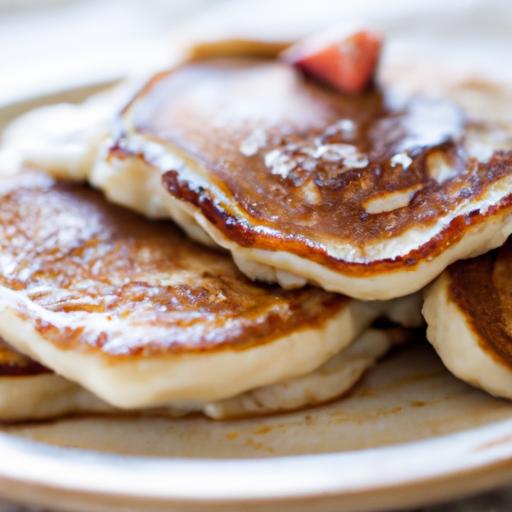

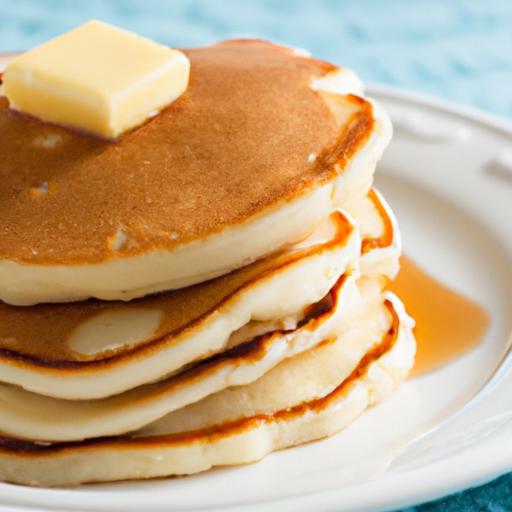
Ther’s something undeniably magical about a stack of perfectly fluffy pancakes-the way they rise tall and proud, each bite melting softly on the tongue like a cloud of morning delight. Yet, achieving that airy texture can feel like a secret reserved for only the most skilled home chefs. Fear not! Behind that golden exterior lies a blend of simple science and smart technique that transforms everyday ingredients into breakfast brilliance. In this article, we’ll unravel the secret to perfectly fluffy pancakes every time, turning your kitchen into a haven of light, fluffy stacks that will have everyone asking for seconds.
Choosing the Right Ingredients for maximum Fluffiness
perfectly fluffy pancakes start with selecting each ingredient carefully to create a batter that rises gently and stays soft on the inside. Using fresh baking powder and high-quality all-purpose flour ensures the right aeration. Incorporating whole milk rather than water adds richness and tenderness,while a touch of melted butter contributes moisture and a slightly crisp edge. For that perfect balance, opt for room temperature eggs-they emulsify the batter better, enhancing fluffiness.
Another secret is to use a little buttermilk or add a teaspoon of lemon juice or vinegar to milk, creating a slight acidity that activates the baking soda for that dreamy lift. Avoid overly dense substitutes like gluten-free mixes unless you’re confident in substitutions, as they can weigh down your pancakes.
Mastering the Art of Batter Mixing and Resting
You want your batter to be smooth, but not overworked. When mixing your dry and wet ingredients, combine just until the flour disappears-small lumps are your friends. Overmixing toughens the gluten and results in flat, chewy pancakes.
After mixing,give the batter a gentle rest for at least 10 minutes-this step allows the flour to fully hydrate and the leavening agents to start their magic,creating a batter that puffs up beautifully when cooked. The resting period can be the difference between thin, uninspiring pancakes and those with height and lightness.
The Science Behind the Perfect Cooking Temperature
Maintaining the ideal griddle or pan temperature-around 375°F (190°C)-is pivotal.Too hot, and the pancakes brown too fast on the outside while staying raw inside; too cool, and they turn tough and pale. A non-stick skillet or seasoned cast iron pan heats evenly, helping pancakes develop a golden crust that locks in moisture and tenderness.
Test your pan’s readiness by sprinkling a few drops of water-if they dance and evaporate swiftly, you’re set to start cooking.Adjust heat promptly based on how pancakes behave on the griddle: a slow rise or darkening calls for lowering the temperature for consistent softness and fluffiness throughout.
Pro Tips for Flipping Pancakes Without Losing Their Softness
Flip pancakes only once, and only after the edges look set and bubbles form and pop across the surface. Use a thin, flexible spatula to carefully slide underneath, turning confidently but gently to preserve their airy structure.Flipping too early or multiple times can deflate pancakes, resulting in a denser texture.
Allow the second side to cook until golden brown-this usually takes less time than the frist. To keep pancakes warm and soft while finishing the batch, layer them loosely on a plate covered with a clean kitchen towel rather than stacking tightly, which traps steam and can make them soggy.
Prep and cook Time
- Prep Time: 10 minutes
- Resting Time: 10-15 minutes
- Cook Time: 15 minutes
Yield
Makes approximately 12 medium-sized pancakes (serves 4)
Difficulty Level
Easy – Perfect for beginners and seasoned home cooks alike
Ingredients
- 1 ½ cups all-purpose flour, sifted
- 3 ½ teaspoons baking powder (fresh)
- 1 teaspoon baking soda
- ½ teaspoon fine sea salt
- 1 tablespoon granulated sugar
- 1 ¼ cups whole milk (or buttermilk for extra tang)
- 1 teaspoon apple cider vinegar or lemon juice (optional, to acidify milk)
- 1 large egg, room temperature
- 3 tablespoons unsalted butter, melted + extra for the pan
- 1 teaspoon pure vanilla extract
Instructions
- Acidify the milk: In a small bowl, stir the vinegar or lemon juice into the milk. Let it sit for 5 minutes to curdle slightly.
- Whisk dry ingredients: In a large mixing bowl, combine the sifted flour, baking powder, baking soda, salt, and sugar. Whisk thoroughly.
- Mix wet ingredients: In another bowl, whisk together the egg, melted butter, vanilla extract, and the acidified milk.
- Combine gently: Pour the wet ingredients into the dry. Stir with a wooden spoon or spatula just until the ingredients come together-its okay if the batter is slightly lumpy.
- Rest the batter: Cover the bowl loosely with a clean kitchen towel and let it rest for 10-15 minutes. This step encourages aeration and gluten relaxation for fluffier pancakes.
- Heat the pan: Preheat a non-stick skillet or cast iron pan over medium heat.lightly grease with butter.
- Cook pancakes: Pour ¼ cup of batter per pancake onto the pan. Cook until bubbles form on the surface and edges appear set, about 2-3 minutes.
- Flip carefully: Gently flip using a thin spatula. Cook for another 1-2 minutes until golden and cooked through.
- Keep warm and continue: Transfer cooked pancakes to a plate, cover loosely with foil or a kitchen towel to retain warmth and softness while cooking the rest.
Tips for success
- Using fresh leavening agents is crucial-old baking powder can deteriorate and rob your fluffiness.
- Do not overmix; a few lumps in your batter ensure tender pancakes.
- Adjust milk thickness with a splash more if batter feels too thick-yogurt or buttermilk add great flavor and texture.
- If pancakes stick,add a small pat of butter before each batch to the pan.
- Make-ahead: Batter can rest covered in the fridge for up to 30 minutes; bring back to room temperature before cooking.
Serving Suggestions
Stack your pancakes high on a rustic wooden board or white ceramic plate for contrast. Drizzle with real maple syrup or honey, and add a dollop of whipped cream or a handful of fresh berries. For extra flair, sprinkle powdered sugar or chopped toasted nuts. A side of crispy bacon or a fruit compote adds a delightful balance of textures and flavors.

| Nutritional Info (per serving) | Amount |
|---|---|
| Calories | 280 kcal |
| Protein | 7 g |
| Carbohydrates | 38 g |
| Fat | 9 g |
For further reading on the chemistry behind leavening, visit Scientific American’s description of baking chemistry.
Explore our homemade syrup recipes to elevate your pancake experience even more.
Q&A
Q&A: The Secret to Perfectly Fluffy Pancakes Every Time
Q: What is the key to making pancakes that are light and fluffy rather than dense and heavy?
A: The magic lies in the batter’s balance and how you treat it. Using a combination of baking powder and baking soda introduces bubbles that expand during cooking, creating that airy texture. Also, mixing wet and dry ingredients just until combined prevents overdeveloping the gluten, which can make pancakes tough.Q: Should the batter be thick or thin? How does batter consistency effect fluffiness?
A: Think of your batter like a gentle hug-neither too clinging nor too loose. A slightly thick batter holds air bubbles better and results in fluffier pancakes.If it’s too runny, the pancakes tend to spread thin and become flat; too thick, and they won’t rise properly.
Q: Does the type of flour matter?
A: Absolutely! All-purpose flour works wonders, but for an extra soft crumb, try cake flour, which has less protein and creates a lighter structure. Experimenting with whole wheat or oat flour can add flavor but might require tweaking your leavening agents for fluffiness.
Q: How vital is the temperature of the pan?
A: A perfectly hot griddle is your pancake’s best friend. Medium heat is ideal-too hot and the outside burns before the inside cooks; too cool and the pancakes won’t rise properly, leading to dense centers. A hot pan ensures bubbles form and set just right, giving you that sought-after fluff.
Q: Is there a secret ingredient that professional chefs use to boost fluffiness?
A: One secret is folding beaten egg whites into the batter. Whipping egg whites until they form soft peaks and gently folding them in traps air, lightening the batter like a cloud.Another trick is adding a splash of buttermilk or yogurt, which reacts with baking soda to create extra lift.
Q: How long should I let the batter rest before cooking?
A: Patience pays off! Letting the batter rest for about 10-15 minutes allows the flour to fully hydrate and the leavening agents to start their magic dance. This rest period makes a noticeable difference in fluffiness and tenderness.
Q: Any tips for flipping pancakes to keep them fluffy?
A: Flip only once, when bubbles appear and the edges start to look set. Using a thin,wide spatula helps prevent deflating your fluffy creation. Be gentle-let the pancake cook fully on one side before flipping to maintain those precious air pockets.
Q: Can I make fluffy pancakes without eggs or dairy?
A: Yes! For egg-free fluffiness, aquafaba (the liquid from canned chickpeas) whipped to stiff peaks works like magic when folded into the batter. Dairy substitutes like almond milk combined with a bit of vinegar mimic buttermilk’s acidity, helping the batter rise well.
Q: What’s a quick hack if I don’t have baking powder or baking soda?
A: If you’re out of customary leaveners, try using self-rising flour, which already contains baking powder and salt. Just swap it for your regular flour, adjust liquid ratios, and you’re set for fluffy pancakes.
Q: How do I store and reheat pancakes without losing fluffiness?
A: Cool pancakes completely before stacking with a paper towel in between to absorb moisture. Store in an airtight container. To reheat, use a toaster or a hot skillet briefly; avoid the microwave as it can make them rubbery and dense.
With these insider insights, your pancake mornings will transform into fluffy, golden celebrations every time.Happy flipping!
Closing Remarks
And there you have it-the secret to perfectly fluffy pancakes unveiled. With just a few simple tweaks and a bit of patience, your kitchen can become the birthplace of clouds on a plate.Remember, the magic lies not in intricate ingredients but in understanding the science behind the batter and treating it with gentle care. So next time you whisk,fold,and pour,know that your pursuit of pancake perfection is well within reach. Now, all that’s left is to savor each bite, flipping your way to breakfast bliss every time.