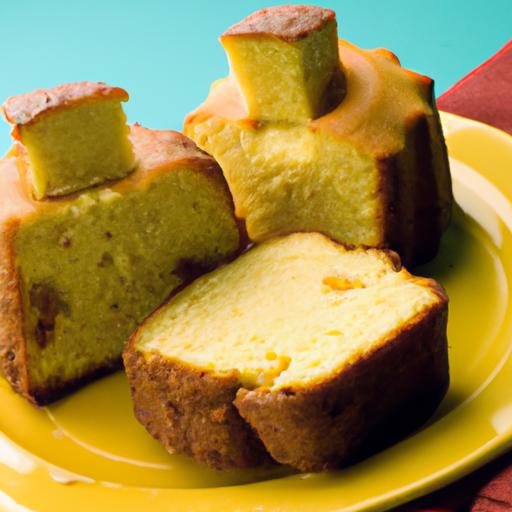

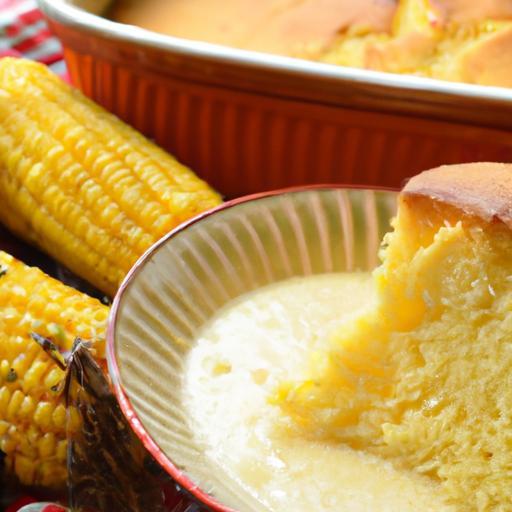
There’s a certain magic in the humble golden crust of cornbread-a warm,crumbly embrace that carries the rich heritage of kitchens past and present. More than just a side dish,cornbread is a canvas where tradition and creativity meld,each recipe telling a story through its texture,sweetness,and aroma. In “The Golden Delight: Exploring the Art of Cornbread Making,” we journey beyond the basics to uncover the secrets, techniques, and cultural importance behind this beloved comfort food. Whether baked in a cast-iron skillet or steamed in a pot, cornbread invites us to savor history slice by buttery slice, illuminating the craftsmanship behind its perfect bite.
The Golden Delight: Exploring the Art of Cornbread Making
the Golden delight of cornbread holds a special place in kitchens far and wide, weaving stories from Southern fields to modern dinner tables. This comforting classic has roots that stretch back generations,cherished as both a humble staple and a canvas for culinary creativity. Exploring its cultural heritage reveals a rich tapestry of Native american influence and Southern soul food traditions that celebrate community, resilience, and flavor.
prep and Cook time
Preparation: 10 minutes
Cooking: 25 minutes
Total Time: 35 minutes
Yield
8 generous servings
Difficulty Level
Easy – perfect for newcomers and seasoned bakers alike
Ingredients
- 1 cup yellow cornmeal, finely ground
- 1 cup all-purpose flour, sifted
- 1/4 cup granulated sugar (adjust based on desired sweetness)
- 1 tablespoon baking powder
- 1/2 teaspoon salt
- 1 cup whole milk, warmed slightly
- 2 large eggs, beaten
- 1/4 cup unsalted butter, melted and slightly cooled
- Optional: 1 tablespoon honey or maple syrup for a natural sweetener infusion
- Optional: 2 tablespoons chopped fresh herbs such as rosemary, thyme, or chives
- Optional: 1/2 teaspoon smoked paprika or mild chili powder for subtle warmth
Instructions
- Preheat your oven to 400°F (204°C). Grease a 9-inch cast-iron skillet or an oven-safe baking dish with butter or neutral oil for a crisp,golden crust.
- in a large bowl, whisk together cornmeal, flour, sugar, baking powder, and salt until evenly combined.If using herbs or spices, add them now to infuse the batter with aromatic layers.
- In a separate bowl, whisk milk, eggs, melted butter, and optional honey or maple syrup to meld the wet ingredients.
- Pour the wet ingredients into the dry mix, stirring gently until just combined. be careful not to overmix; a few lumps help maintain the light crumb.
- Transfer the batter to the prepared skillet or baking dish, smoothing the top with a spatula for even baking.
- bake for 20-25 minutes or until the edges are golden and a toothpick inserted comes out clean. The crust should shimmer with a slight crustiness while the inside stays moist.
- Remove from oven and let cool slightly before slicing. This resting period helps lock in moisture and brings out the cornbread’s vibrant flavors.
Tips for Success
- Choose your pan wisely: Cast-iron skillets promote a superior crust and even heat distribution. For a softer crust, use a glass or ceramic baking dish.
- Milk temperature matters: Warm milk blends better with the dry ingredients and encourages a fluffier texture.
- Don’t skimp on butter: It’s key to moisture and that irresistible golden-brown color.
- Sweetness levels can vary: Adjust sugar or opt for natural sweeteners like honey based on your preference or cultural tradition.
- Make ahead: Cornbread keeps beautifully wrapped at room temperature for 2 days or frozen for up to 1 month. Warm gently before serving to revive its texture.
Serving Suggestions
The versatility of cornbread lends itself beautifully to countless accompaniments. Serve warm with a pat of salted butter and a drizzle of honey for breakfast. Pair alongside hearty chili, slow-cooked greens, or fried chicken for a classic soul food feast. Garnish with a sprinkling of fresh herbs or a light dusting of smoked paprika for a burst of color and flavor contrast.
For an inviting spread, consider placing it on a wooden board with bowls of maple butter, spiced honey, and creamy buttermilk dips. The Golden Delight of cornbread shines brightest when shared – an edible bridge connecting food culture and unforgettable memories.
Nutritional Data
| Nutrient | Per serving |
|---|---|
| Calories | 210 kcal |
| Protein | 5 g |
| Carbohydrates | 30 g |
| fat | 7 g |

For more soul food inspirations and baking tips, visit our Soul Food Baking Guide. To deepen your knowledge on the history of cornbread and its cultural significance, explore this detailed resource at Smithsonian Magazine.
Q&A
Q&A: The Golden Delight - Exploring the Art of Cornbread Making
Q1: What makes cornbread truly special compared to other breads?
A1: Cornbread’s charm lies in its golden hue, crumbly texture, and subtly sweet, earthy flavor. Unlike wheat-based breads,cornbread harnesses the natural sweetness and grainy texture of cornmeal,offering a rustic,comforting experience that’s both hearty and delicate-a true celebration of simplicity and tradition.
Q2: Where did cornbread originate, and how has its recipe evolved over time?
A2: Cornbread’s roots stretch back to Native american cultures, who ground dried corn into meal to create early versions of this staple. Over centuries, settlers adapted it with new ingredients like wheat flour, sugar, and buttermilk. Today, it reflects a rich tapestry of regional variations-from the sweet, cake-like Southern style to the dense, savory Northern versions-each telling its own story.
Q3: What are the essential ingredients that define a classic cornbread?
A3: At its heart, cornbread is a simple harmony of cornmeal, flour, eggs, a leavening agent (usually baking powder), milk or buttermilk, and a touch of fat like butter or oil. The magic is in the balance-too much flour and it loses its corn-forward character, too little and it crumbles excessively.
Q4: How vital is the type of cornmeal used when making cornbread?
A4: The texture and flavor of cornbread pivot significantly on the cornmeal choice. Fine cornmeal yields a softer crumb, while medium or coarse grinds add a pleasant crunch and rustic feel.Stone-ground cornmeal, with its richer flavor and varied texture, often elevates the bread to a new level of artisanal allure.
Q5: What role does buttermilk play in cornbread recipes?
A5: Buttermilk is the secret alchemist in cornbread: it reacts with baking powder or baking soda to create tiny bubbles, giving the bread a tender lift and moist crumb. Plus,it imparts a subtle tang that balances the sweetness and deepens the overall flavor profile.
Q6: Can cornbread be adapted for dietary preferences or restrictions?
A6: Absolutely! Cornbread is wonderfully versatile. For gluten-free diets, simply substitute wheat flour with a gluten-free blend or almond flour. Vegan versions replace eggs with flaxseeds or chia seeds and use plant-based milk and oils. With a sprinkle of creativity, cornbread can delight every palate.
Q7: What tips will help home bakers master the perfect cornbread?
A7: To capture that golden crust and tender crumb, preheat your skillet-cast iron is ideal for even heat and a crisp edge. Don’t overmix the batter; a few lumps keep the bread tender. Use fresh cornmeal for vibrant flavor and always bake until a toothpick comes out clean with a warm, inviting aroma wafting through your kitchen.
Q8: How is cornbread traditionally served and enjoyed?
A8: Cornbread pairs beautifully with hearty stews, smoky barbecues, and comforting chili.It can be eaten warm slathered in butter, drizzled with honey, or even transformed into croutons for salads. In manny homes, cornbread is more than food-it’s a symbol of warmth, community, and heritage.
Q9: What is the cultural significance of cornbread in American cuisine?
A9: More than just sustenance, cornbread is woven into the fabric of American history and culture. It reflects the melding of Indigenous, African, and European influences and frequently enough serves as a centerpiece in Southern and soul food traditions.Each bite tells a story of survival, celebration, and shared gatherings around the table.Q10: where can one start experimenting with creative twists on traditional cornbread?
A10: Try adding fresh corn kernels for bursts of sweetness, jalapeños for a spicy kick, or cheese for richness. Herbs like rosemary or thyme infuse earthy notes, while a swirl of honey or maple syrup can enhance its natural sweetness. The art of cornbread is a delightful canvas-let your imagination turn the classic golden delight into your personal masterpiece.
Closing Remarks
As the comforting aroma of freshly baked cornbread wafts through your kitchen, you realize that this humble dish is much more than just a side-it’s a golden thread woven through the fabric of culinary tradition. From rustic heirloom recipes to innovative twists, the art of cornbread making invites both reverence and creativity. Whether enjoyed crumbly and buttery or sweet and tender, each bite is a reminder of the warmth, history, and simple joys that good food can bring. So next time you gather around the table, let your cornbread be more than just nourishment-let it be a celebration of culture, craft, and the timeless delight of a truly golden bite.