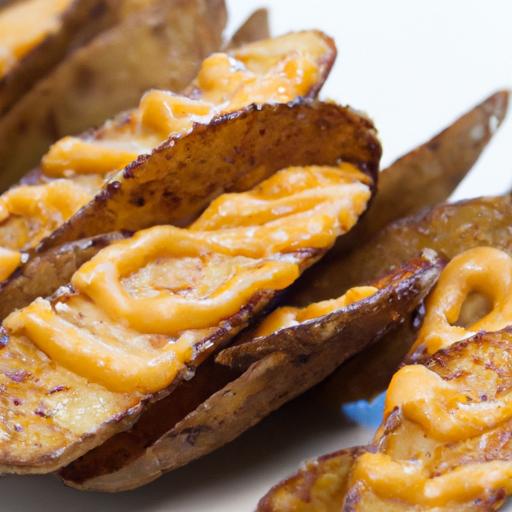

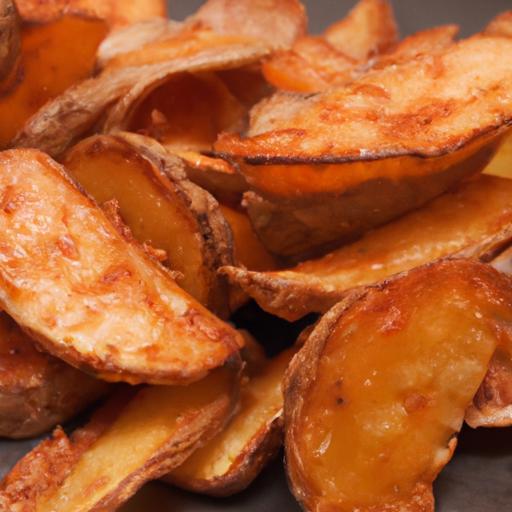
There’s a simple joy in the crunch of a perfectly crisped potato skin, that satisfying snap followed by a burst of savory flavor that dances on the tongue. But behind this humble snack lies a fascinating blend of science and culinary art. From the chemistry of heat and moisture to the choice of potatoes and seasoning secrets,the quest for the perfect potato skin is a journey into texture,taste,and technique. In this article, we’ll peel back the layers-literally and figuratively-to explore how science crafts that irresistible crispiness and elevates potato skins from casual comfort food to crave-worthy masterpiece.
The science behind what makes potato skins irresistibly crispy is a fascinating interplay of starch, moisture, and heat. When you master this chemistry, every bite delivers a perfect crunch wiht a burst of flavor that will elevate your snacking or side-dish game to an entirely new level.
Prep and Cook time
- Preparation: 15 minutes
- Cooking: 45 minutes
- Total: 1 hour
Yield
Serves 4-6 as an appetizing side or snack.
Difficulty Level
Easy to Medium - perfect for home cooks eager to impress with technique and flavor.
Ingredients
- 6 large russet potatoes (dry, starchy variety ideal for crispiness)
- 3 tbsp olive oil (extra virgin for flavor)
- 1 tsp kosher salt
- ½ tsp baking soda (key to breaking down the potato skin barrier for extra crunch)
- 1 tsp smoked paprika
- 1 tsp garlic powder
- Freshly cracked black pepper, to taste
- 2 tbsp finely chopped fresh chives (for garnish)
- Optional: ¼ cup shredded sharp cheddar cheese or crumbled crispy bacon
Instructions
- Preheat your oven to 425°F (220°C). This high heat is essential for the chemical reactions that create crispy exteriors.
- wash and scrub the potatoes thoroughly to remove dirt. Dry them completely with a clean towel-removing surface moisture is critical.
- Using a fork, prick each potato several times to create small holes that let steam escape during baking, ensuring a dry, crispy skin.
- Bring a large pot of water to a boil and add the baking soda. Submerge the potatoes and parboil for 7-8 minutes. The alkaline baking soda softens the skin’s pectin layer, promoting exceptional crunch once baked.
- Carefully remove the potatoes and place them on a baking sheet lined with parchment paper. Gently pat dry again if needed.
- Drizzle olive oil over the potatoes and roll them around to coat evenly.Then sprinkle with kosher salt,smoked paprika,garlic powder,and black pepper.
- Bake in the preheated oven for 35-45 minutes, turning once halfway through, until skins are deeply golden brown and crisp. bake until an inserted skewer meets resistance but the skin snaps with a satisfying crunch.
- Remove from the oven and let cool for 5 minutes. Slice each potato lengthwise and, if desired, top with cheddar cheese or crispy bacon bits to marry textures and flavors.
- Garnish with fresh chives and serve instantly for an notable, crunchy delight.
Tips for Success
- choose starchy potatoes like russets rather than waxy varieties-their higher starch content dries out the skin better and produces superior crispiness.
- Never skip the baking soda step; it’s a subtle but crucial chemical accelerator for that perfect skin texture.
- Patience is key: allow the potatoes to dry thoroughly both before oiling and after boiling to avoid soggy results.
- For a twist, swap smoked paprika for cayenne pepper to infuse heat or herbes de Provence for aromatic complexity.
- Make ahead: parboil potatoes and refrigerate overnight,then bake fresh when ready to serve,maintaining crispiness.
Serving Suggestions
Present your crispy potato skins on a rustic wooden board or slate platter paired with a side of creamy garlic dip or a zesty sour cream and chive sauce. Garnish with colorful microgreens or finely sliced radishes for a pop of freshness.These skins complement grilled meats and fresh salads, making them an irresistible crowd-pleaser at any gathering.

Nutritional Facts per Serving
| Calories | Protein | Carbohydrates | Fat |
|---|---|---|---|
| 220 | 4g | 38g | 6g |
For a deeper dive into the food science of potato cooking techniques, explore this informative study and enhance your understanding of culinary chemistry.
Q&A
Q&A: The Crispy Science and Flavor of Perfect Potato Skins
Q1: What makes potato skins irresistibly crispy?
A1: The secret to that perfect crunch lies in the potato’s moisture content and cooking method. When baked,the skin’s natural starches undergo the Maillard reaction-a chemical dance between amino acids and sugars-that creates a golden-brown,flavorful crust. Drying the potato skins before roasting helps evaporate excess moisture, allowing for that coveted crispiness rather of sogginess.
Q2: Why do some potato skins taste better than others?
A2: Flavor deepens when the skins are cooked with a bit of oil and salt,which not only enhances taste but also encourages the Maillard reaction. The type of potato also matters: varieties with thinner skins (like Yukon Gold) offer a subtler flavor, while russets bring earthy, hearty notes. Additionally, seasoning choices-from smoked paprika to garlic powder-can elevate the humble skin into a flavor powerhouse.
Q3: How does temperature influence the texture of potato skins?
A3: High heat is the crispy skin’s best freind. Baking at temperatures above 400°F (204°C) encourages rapid moisture evaporation and browning. A lower temperature leads to softer, less exciting textures. some chefs even finish their potato skins under the broiler for a minute or two to achieve that ultra-crisp finish.
Q4: Can soaking potatoes before cooking affect the skin?
A4: Absolutely! Soaking peeled or sliced potatoes in cold water removes excess surface starch, which can prevent sticking and promote crispier edges. For skins, a rapid soak followed by thorough drying can remove lingering starch dust and improve overall texture once roasted.
Q5: Is the oil just for flavor, or does it have a scientific role?
A5: Oil is more than a flavor carrier; it’s essential for crispiness. When brushed or tossed on potato skins, oil acts as a heat conductor, aiding in uniform browning and creating a moisture barrier that keeps the interior tender while the exterior crisps up beautifully.
Q6: How do toppings interact with the skin to enhance flavor and texture?
A6: Toppings introduce contrasting textures and flavors that complement the crispy skin. Creamy sour cream cools and balances the warmth, melted cheese adds gooey richness, and bacon bits provide smoky crunch. The interplay of creamy, crispy, salty, and savory elements transforms the simple potato skin into a symphony of taste and mouthfeel.Q7: Can you achieve perfect potato skins without frying?
A7: Definately! Baking or roasting are great healthier alternatives to frying, especially when combined with drying the skins first and using sufficient oil. With the right technique, you can capture that coveted crunch and deep flavor without excess grease.
Perfect potato skins are a union of science and culinary art-were moisture control meets high-heat alchemy, and simple ingredients transcend into crispy, flavorful delights. Understanding these principles lets anyone create potato skins that are satisfyingly crisp on the outside, tender inside, and bursting with flavor in every bite.
In Summary
As the golden edges of a perfectly crafted potato skin crunch beneath your teeth, you’re not just savoring a snack-you’re experiencing the delicate dance of science and flavor. From the Maillard reaction’s alchemy to the precise balance of moisture and heat, each crispy bite tells a story of culinary precision. So next time you indulge in this beloved appetizer, remember: it’s more than comfort food-it’s a testament to how chemistry and creativity combine to make something truly irresistible. Here’s to celebrating the crispy science behind every flavorful, crunchy, and utterly satisfying potato skin.