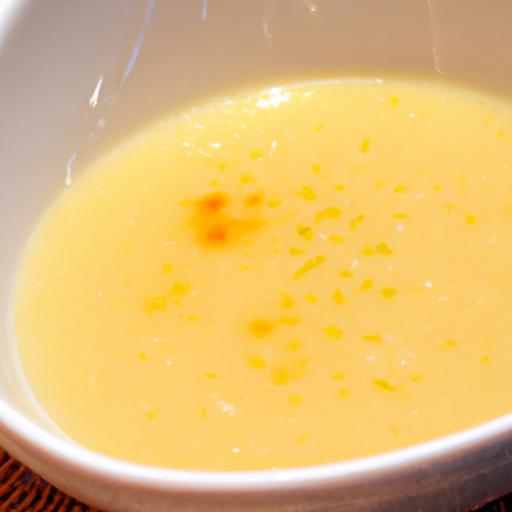

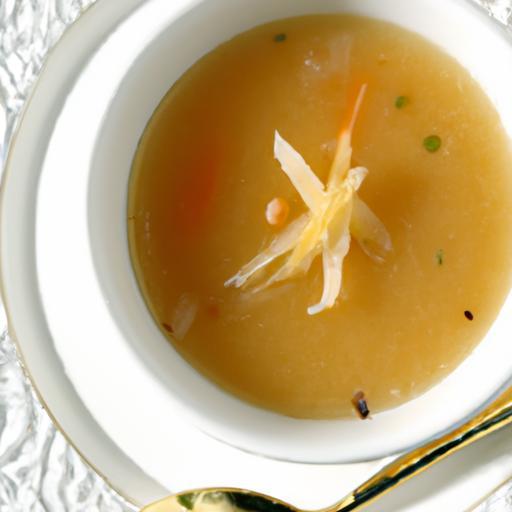
In the world of comforting soups, few dishes marry simplicity and elegance quite like egg drop soup. At first glance, it appears effortlessly humble-a clear broth graced by delicate ribbons of egg-yet beneath its unassuming surface lies a harmonious dance of technique and timing. The art and science of perfectly silken egg drop soup is a testament to culinary precision, where the viscosity of the broth, the temperature, and the egg’s exact moment of introduction converge to create that signature, velvety texture. Join us as we unravel the secrets behind this cherished classic, revealing how a few careful steps transform basic ingredients into a silky symphony of flavour and texture.
The Art and Science of Perfectly Silken Egg Drop Soup
The art and science of perfectly silken egg drop soup reveal a culinary magic where simplicity meets technique. This classic Chinese comfort dish is beloved for its delicate, silky ribbons of egg floating in a savory broth. Mastering this soup means understanding how egg proteins coagulate and how a flavorful broth elevates each spoonful into a warm embrace of taste and texture.
Prep and Cook Time
- Readiness: 10 minutes
- Cooking: 15 minutes
- Total Time: 25 minutes
Yield
Serves 4 generous bowls
Difficulty level
Easy – Perfect for beginners and experienced cooks alike
ingredients
- 6 cups chicken broth (preferably homemade or low-sodium)
- 3 large eggs, lightly beaten
- 1 tsp cornstarch mixed with 2 tbsp water (slurry)
- 1/2 tsp freshly grated ginger
- 1 tbsp soy sauce
- 1/2 tsp sesame oil
- Salt and white pepper to taste
- 2 scallions, thinly sliced for garnish
- Optional: 1/2 cup corn kernels or diced tofu for added texture
Instructions
- Prepare the broth base: In a medium saucepan, bring the chicken broth and grated ginger to a gentle simmer over medium heat. This fragrant foundation is key to layering rich umami flavors.
- Thicken the broth: Whisk the cornstarch slurry once more, then slowly drizzle it into the simmering broth while stirring continuously. The broth will begin to thicken slightly, creating the perfect medium for silky egg ribbons.
- Season the broth: Stir in soy sauce, sesame oil, salt, and white pepper. Adjust seasoning based on your taste preference; the broth should be savory but balanced.
- Create egg ribbons: Reduce the heat to low. Holding a fork or whisk in one hand, slowly drizzle the beaten eggs into the broth in a thin stream. Gently stir the broth in one direction with your other hand to form delicate, silky strands of cooked egg.
- Finish the soup: Turn off the heat immediately once the egg ribbons have formed. overcooking can cause the eggs to become rubbery instead of silken and tender.
- Garnish and serve: Ladle the soup into bowls and sprinkle with sliced scallions. Add optional corn or tofu if desired for additional texture and heartiness.
Tips for Success: Unlocking the Art and Science of Perfectly Silken Egg Drop Soup
- The egg temperature matters: use room-temperature eggs to help them cook gently and form soft strands.
- Slow and steady is best: Pour eggs slowly for finer silkiness. Pouring too quickly results in clumps.
- Broth richness: A high-quality homemade chicken broth or a well-seasoned store-bought version deepens flavor without overpowering.
- Control heat carefully: Keep the soup at a simmer,not a boil,for tender eggs and a luscious broth.
- Variations: Experiment with adding white pepper for subtle heat or a splash of mushroom soy sauce for earthy depth.
- Make-ahead: Prepare the broth in advance; add egg just before serving to maintain silkiness.
- Common mistake: Avoid stirring vigorously after adding eggs-this breaks up the delicate ribbons into clumps, losing the silky texture.
Serving Suggestions
Serve your perfectly silken egg drop soup steaming hot in handcrafted bowls for a rustic touch. Garnish generously with fresh scallions and a sprinkle of white pepper. For a heartier meal, accompany with steamed jasmine rice or a side of vegetable dumplings.A drizzle of chili oil or a few drops of toasted sesame oil right before serving adds a luxurious aroma that invites every sip.

| Nutrient | Per Serving |
|---|---|
| Calories | 120 kcal |
| Protein | 9g |
| Carbohydrates | 4g |
| Fat | 6g |
For deeper insight into the underlying chemistry of egg coagulation and its impact on texture, visit ScienceDirect’s article on egg protein denaturation.
Craving another vibrant take on classic Asian soups? Explore our Classic Hot and Sour Soup Recipe for a tangy contrast to this silky favorite.
Q&A
Q&A: The Art and Science of Perfectly Silken Egg Drop Soup
Q1: What makes egg drop soup both an art and a science?
Egg drop soup dances gracefully between culinary artistry and scientific precision. The art lies in the fluid motion and timing-how you drizzle the egg in, creating delicate ribbons that swirl like silk. The science is in controlling temperature, viscosity, and pH to achieve that signature silken texture without curdling or toughness. Mastery requires both a creative hand and an understanding of the soup’s chemistry.Q2: Why is the texture of the egg ribbons so notable?
The texture defines the soup’s soul.Perfectly silken eggs signal a gentle coaxing of proteins-too hot or fast, and the eggs become rubbery or clumped; too slow, and they disperse without form. Those tender, feather-light strands meld effortlessly into the broth, offering a comforting silkiness that elevates a humble soup into a sensory experience.
Q3: How does temperature control influence the final result?
Temperature is the ultimate gatekeeper.The broth should be hot enough to cook the egg instantly but not boiling vigorously, which roughens the eggs’ proteins, causing them to stiffen. Typically, maintaining the soup just below a rolling boil (around 80-90°C or 176-194°F) allows the egg to set tenderly into fine ribbons, creating that signature silken texture.
Q4: Is whisking the egg before adding it necessary?
Yes-and no. Lightly whisking the egg whites and yolks together ensures uniform consistency and color, but over-whisking introduces too many air bubbles, leading to foam rather than silky ribbons. The goal is a smooth, barely aerated egg mixture that flows gently into the broth, forming elegant threads rather than lumps.
Q5: Can additives like cornstarch or vinegar affect the silkiness?
Absolutely. Cornstarch, often used to thicken the broth, gives it body that beautifully suspends the egg strands, enhancing mouthfeel. A splash of vinegar or a squeeze of lemon juice lowers the pH slightly, stabilizing the egg proteins and preventing unwanted clumps, contributing to a smooth, velvety texture. These small adjustments exemplify the scientific subtleties behind the soup’s success.
Q6: What cultural variations influence the technique of egg drop soup?
From the classic Chinese version with ginger and white pepper to Korean ’gyeran guk’ with scallions and garlic, regional styles influence thickness, seasoning, and egg incorporation. Some cultures swirl the egg slowly to create thin ribbons; others stir briskly for a cloud-like fluffiness. Each variation reflects local palate preferences and culinary traditions, proving that perfecting egg drop soup is also a festivity of cultural expression.Q7: Any tips for home cooks to achieve that silken perfection?
Patience and precision are key. Heat your broth gently, whisk your eggs just enough to combine, and pour in slowly-ideally in a thin stream or drizzle-while stirring the soup gently in one direction. Avoid rapid boiling, and consider adding a touch of cornstarch slurry for luxurious thickness. taste and adjust seasoning thoughtfully; the magic of egg drop soup lies in its delicate balance between simplicity and refinement.
Unlocking the secrets of perfectly silken egg drop soup reveals how cooking is both a craft and a science-a harmony of technique, timing, and a touch of soul. With these insights, any home chef can weave that whisper-thin silk of egg into a comforting, elegant bowl of soup.
The Conclusion
As the gentle swirl of silken egg ribbons settles into the savory broth, we arrive at the heart of what makes egg drop soup both an art and a science. It’s a delicate balance of temperature, timing, and technique-where each movement shapes not just texture, but tradition itself. Whether you’re a curious home cook or a seasoned chef, mastering the perfect silken strands transforms a simple bowl into a comforting masterpiece. So next time you ladle out this timeless soup, savor the harmony of science and artistry that turns humble ingredients into liquid silk.