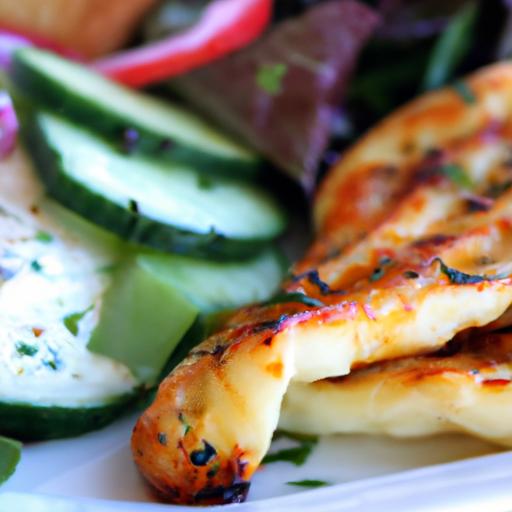
Discovering Halloumi Origins and Its Unique texture
Halloumi Unveiled: this captivating cheese originates from the sun-drenched Mediterranean island of Cyprus, where its heritage dates back centuries. Crafted traditionally from a blend of goat’s and sheep’s milk, halloumi’s distinctively layered texture – firm yet slightly springy – is what sets it apart from other cheeses. Unlike soft cheeses, its high melting point allows it to withstand sizzling heat without losing shape, creating a golden, crispy crust that contrasts beautifully with its squeaky, creamy center. This unique texture invites culinary creativity and transforms even the simplest dishes into extraordinary experiences.
Prep and Cook Time
- Readiness: 10 minutes
- Cooking: 8 minutes
- Total Time: 18 minutes
Yield
Serves 4 as an appetizer or snack
Difficulty Level
Easy – Perfect for cooks of all skill levels
Ingredients
- 250g halloumi cheese, cut into 1cm thick slices
- 1 tbsp extra virgin olive oil
- Fresh lemon wedges, for serving
- 1 tbsp chopped fresh mint or oregano
- Freshly cracked black pepper
- Optional: a pinch of smoked paprika or chili flakes
How to Perfectly Sizzle Halloumi for Maximum Flavor
- Preheat a non-stick skillet over medium-high heat untill hot.
- Pat the halloumi slices dry with kitchen paper to remove excess moisture – this step is critical to achieving a golden crust.
- Brush or drizzle olive oil on both sides of the cheese for a flavorful sear and to prevent sticking.
- Place the halloumi slices in the skillet carefully, giving each piece enough space to cook evenly.
- Sauté each side for 2-3 minutes, or until a crispy, caramelized crust forms. Avoid flipping too frequently to ensure that the cheese develops a perfect sear.
- Remove from heat and season promptly with cracked black pepper and a squeeze of fresh lemon juice to enhance its subtle saltiness.
Creative Recipes That Showcase Halloumi’s Versatility
Once you’ve mastered sizzling halloumi, the recipe possibilities are endless. Here are some inspiring ideas to incorporate this sizzling cheese into your meals:
- Halloumi & Watermelon Salad: Combine cubes of crispy halloumi with fresh watermelon, mint leaves, and a drizzle of balsamic reduction for a refreshing summer salad.
- Spiced Halloumi Skewers: Thread halloumi chunks with cherry tomatoes and bell peppers, grill, and serve with a tahini dipping sauce.
- Halloumi Burger: Replace the patty with a thick grilled halloumi slice, topped with avocado, tomato, and zesty harissa mayo in a toasted bun.
- Roasted Veggie Stack with Halloumi: Layer grilled eggplant, zucchini, and peppers topped with sizzling halloumi and a drizzle of herb oil.
Pairing Halloumi with Complementary Flavors and Ingredients
The beauty of halloumi lies not only in its texture but also in how well it harmonizes with a spectrum of flavors. Its subtle saltiness dances effortlessly with shining, acidic notes like lemon and pomegranate molasses. Fresh herbs such as mint, oregano, and parsley bring herbal freshness that cuts through the richness. For depth, smoky elements like roasted bell peppers or a sprinkle of smoked paprika add an alluring warmth.
Pair halloumi with crunchy nuts like toasted pine nuts or walnuts for contrast, and don’t shy away from a sweet twist – figs, honey, or roasted butternut squash offer luscious balance. To keep it Mediterranean authentic, serve alongside crusty bread or vibrant salads boasting chickpeas and cucumbers.
| Nutrient | Amount per Serving |
|---|---|
| calories | 220 kcal |
| Protein | 18 g |
| Carbohydrates | 2 g |
| Fat | 15 g |
Chef’s Tips for Success
- Drain well: Halloumi can be quite salty and moist; rinsing briefly under cool water and patting dry reduces excess salt and helps crispness.
- Heat control: A properly heated pan guarantees a perfect golden crust without burning. medium-high heat is ideal.
- Oil choice: Use neutral or fruity olive oil to support but not overpower the cheese’s natural flavor.
- make-ahead: sizzle halloumi right before serving to maintain its irresistibly crispy texture.
- Substitutions: If halloumi isn’t available, try grilling paneer – though the melt and texture will differ.
Serving Suggestions
Plate your sizzling halloumi with a scattering of fresh herbs and a vibrant wedge of lemon on the side for squeezing. Add roasted cherry tomatoes or a drizzle of pomegranate molasses for a pop of sweetness and color. For a satisfying meal, pair it with fluffy couscous salad or pile it atop a crisp bed of rocket leaves drizzled with balsamic vinegar. Don’t forget crusty sourdough or warm pita bread to soak up every flavorful bite!

Explore more Mediterranean-inspired recipes or learn about the traditional cheesemaking methods on FAO’s official site.
Q&A
Q&A: Halloumi Unveiled – The Sizzling Cheese You Need to Try
Q1: What exactly is Halloumi?
A1: Halloumi is a semi-hard, unripened cheese originally from Cyprus, known for its unique ability to withstand high heat without melting. Made primarily from a blend of goat’s and sheep’s milk,sometimes cow’s milk,it boasts a salty,tangy flavor with a firm,squeaky texture that comes alive when grilled or fried.
Q2: Why is Halloumi called the “sizzling cheese”?
A2: The moniker “sizzling cheese” comes from Halloumi’s trademark grilling trait. Unlike most cheeses, it doesn’t melt into a gooey mess when heated. Rather, it crisps up on the outside while staying delectably chewy inside, producing an irresistible sizzle and aroma that makes it a star on any barbecue or stovetop.
Q3: How should Halloumi be cooked to get the best taste?
A3: For the ultimate Halloumi experience, slice it about half an inch thick and grill or fry on medium-high heat for 2-3 minutes per side. You want a golden-brown crust with tantalizing grill marks while preserving that signature squeaky bite. pair it with a drizzle of lemon juice, fresh herbs, or a dusting of chili flakes for extra zing.
Q4: Can Halloumi be eaten raw?
A4: Yes! Halloumi can be enjoyed fresh, straight from the package, where its salty and slightly tangy flavor shines through. However, the magic happens once it’s cooked: that transformative sizzle unlocks new textures and intensifies its savory character.
Q5: Is Halloumi suitable for vegetarians?
A5: traditionally, Halloumi is made with animal rennet, which may not be vegetarian-friendly. Though, many producers now offer versions made with microbial or vegetable rennet, making it accessible to vegetarian consumers. Always check the label if this is a concern.
Q6: What dishes or cuisines pair well with Halloumi?
A6: Halloumi’s salty, smoky notes complement Mediterranean flavors beautifully. It’s a superstar in salads with fresh tomatoes and cucumbers, shines in sandwiches and wraps, pairs perfectly with grilled veggies, or even stars in breakfast plates alongside eggs. It also holds its own in fusion dishes, from tacos to burgers.
Q7: Where can I find authentic Halloumi?
A7: Authentic Halloumi hails from Cyprus, but its popularity means you can find it in most well-stocked grocery stores, specialty cheese shops, and international markets worldwide. look for a firm, white block – avoid overly soft or crumbly ones for grilling.
Q8: Why is Halloumi gaining so much popularity worldwide?
A8: Halloumi’s rise is due to its versatility and unique cooking properties. Foodies crave its satisfying chew and smoky bite, while cooks love how easily it grills, fries, or barbecues without melting away. Plus, its pairing potential fits the growing global appetite for bold, fresh, and shareable flavors.
ready to ignite your taste buds? Grab some Halloumi, fire up the grill, and let this sizzling cheese transform your meals into something spectacular!
Key Takeaways
As the golden edges of halloumi crisp and the aroma fills the air, it’s clear this cheese is more then just a culinary curiosity-it’s a sizzling sensation deserving of a spot on your plate. Versatile, flavorful, and delightfully firm, halloumi invites both novice cooks and seasoned chefs to experiment and savor its unique charm. Whether grilled,fried,or tossed into a vibrant salad,this Cypriot treasure promises a taste experience that’s as bold as it is indeed unforgettable. So next time you seek a cheese that stands apart, remember halloumi: the sizzling star ready to elevate your meals and ignite your kitchen creativity.