

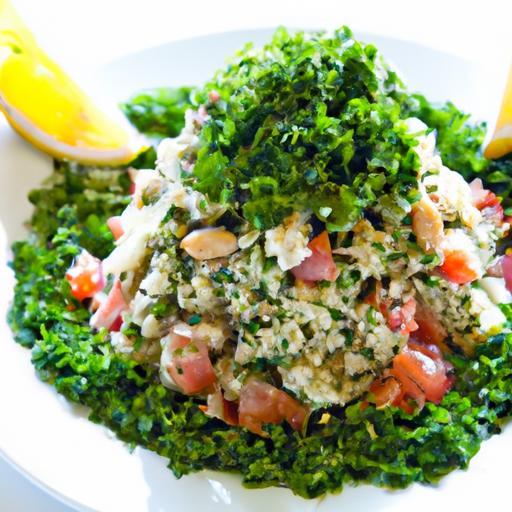
Beneath the vibrant tapestry of Middle eastern cuisine lies a salad that has quietly stolen hearts and palates worldwide: tabbouleh. More than just a medley of parsley, bulgur, and tomatoes, this fresh, zesty dish is a festivity of nature’s simplest ingredients transforming into a symphony of flavor and texture. In “Tabbouleh Unveiled: The Fresh Middle Eastern Salad Secret,” we delve beyond the humble bowl to uncover the history, cultural meaning, and subtle techniques that elevate this seemingly straightforward salad into a timeless culinary treasure. Prepare to embark on a flavorful journey that will forever change the way you see-and savor-tabbouleh.
Tabbouleh, a vibrant emblem of Middle Eastern cuisine, has long been celebrated for its fresh, aromatic flavors and wholesome ingredients. Rooted in centuries-old Levantine traditions, this salad is more than just a side dish-its a cultural symbol of hospitality and shared meals, often gracing family tables during festive occasions. Each bite delivers a refreshing burst of parsley, mint, and lemon that effortlessly awakens the senses and honors the Mediterranean’s sun-soaked lands.
Prep and Cook Time
Preparation: 20 minutes
Cook Time: 10 minutes (mainly for soaking bulgur)
Total Time: 30 minutes
Yield
Serves 6 as a side salad
Difficulty Level
Easy – perfect for beginners and seasoned cooks alike
Key Ingredients That Elevate Authentic Tabbouleh Flavor
The secret to a luscious tabbouleh lies in its simplicity and quality. Freshness is paramount. Fresh flat-leaf parsley is the backbone, finely chopped to release its vibrant aroma. Mint leaves add a cool brightness, while the nutty grain, typically fine bulgur wheat, provides texture and earthiness.A generous squeeze of fresh lemon juice balances the herbaceous notes, and aromatic spring onions or garlic lend depth.Olive oil of exceptional quality ties everything together,its fruity nuances amplifying the salad’s brightness.
- Fine bulgur wheat – 1/2 cup, rinsed and soaked
- Fresh flat-leaf parsley – 2 cups, finely chopped
- Fresh mint leaves – 1/2 cup, finely chopped
- Ripe tomatoes – 2 medium, diced
- Spring onions – 3 stalks, thinly sliced
- Fresh lemon juice – 1/4 cup (about 2 lemons)
- extra virgin olive oil – 1/4 cup
- Salt – 1 teaspoon, or to taste
- Ground black pepper – 1/4 teaspoon, freshly ground
Step-by-step Guide to Perfectly Balanced Tabbouleh
- Prepare the bulgur: Place the bulgur in a bowl and cover with cold water. Soak for about 10 minutes until softened but not mushy. Drain thoroughly, pressing out excess water with a clean kitchen towel.
- Chop your herbs: Finely chop the parsley and mint leaves. The finer, the better-this releases their essential oils and creates the salad’s signature texture.
- dice the vegetables: Cut the tomatoes into small, uniform pieces to distribute sweetness evenly. Thinly slice the spring onions for a mild sharpness without overpowering the herbs.
- combine all ingredients: In a large mixing bowl, gently toss the bulgur, parsley, mint, tomatoes, and spring onions, ensuring an even mix.
- Dress the salad: Add the freshly squeezed lemon juice, salt, pepper, and olive oil.Toss carefully to coat every bite with vibrant flavor.
- Rest before serving: Let the tabbouleh sit for 15-20 minutes at room temperature. This allows the bulgur to absorb the dressing fully and the flavors to meld beautifully.
Creative Twists to Refresh Your Conventional Tabbouleh Recipe
Once confident in the classic formula, experimenting can spark new excitement. Swap bulgur for quinoa for a gluten-free version, or add diced cucumber for an extra crunch. A handful of pomegranate seeds not only brighten the salad visually but offer a sweet-tart pop. For a zesty twist, incorporate finely minced sumac or a dash of pomegranate molasses to deepen the citrusy tang.Those seeking heartier options might stir in toasted pine nuts or chickpeas, elevating tabbouleh to an even more satisfying dish.
tips for Success
- ensure parsley is dry: After washing, pat dry thoroughly to avoid a soggy salad.
- Finely chop herbs: Use sharp knives or a food processor on gentle pulse to maintain texture without bruising.
- Adjust lemon and salt: Taste as you go-tabbouleh thrives on bright lemon acidity and adequate seasoning.
- Use quality olive oil: The olive oil should be fresh, fruity, and robust to complement-not overpower-the herbs.
- Make ahead: Tabouleh improves after a brief rest but refrigerate only if serving within a day to keep herbs fresh and vibrant.
Serving suggestions
serve tabbouleh chilled or at room temperature as a vibrant side alongside grilled meats, falafel, or warm pita bread. Garnish with a lemon wedge and a sprig of fresh mint for visual appeal. For a festive touch, drizzle a modest stream of extra virgin olive oil just before serving and sprinkle toasted pine nuts or sumac over the top. It pairs beautifully with other Middle Eastern staples like hummus and baba ghanoush-try this thorough guide to Middle Eastern dips for effortless menu planning.

| Nutrient | Per Serving |
|---|---|
| Calories | 120 kcal |
| protein | 3 g |
| Carbohydrates | 18 g |
| Fat | 5 g |
Explore the rich heritage and vitality of this salad by diving deeper into its story with resources like National Geographic’s feature on Middle Eastern culinary traditions.Embrace the refreshing allure of tabbouleh, unlocking the secret to a bright, healthy, and unforgettable dish.
Q&A
Q&A: Tabbouleh Unveiled – The Fresh Middle Eastern Salad Secret
Q1: What exactly is tabbouleh?
A: Tabbouleh is a vibrant Middle Eastern salad that’s a symphony of fresh parsley, plump bulgur wheat, juicy tomatoes, crisp cucumbers, aromatic mint, and a zesty lemon-olive oil dressing. It’s a refreshing mosaic of textures and flavors that has been delighting taste buds for centuries.
Q2: Where did tabbouleh originate?
A: This delightful dish hails from the Levant region, primarily Lebanon and Syria. It’s a staple of Levantine cuisine, frequently enough served as part of a mezze-a colorful spread of small dishes designed to be shared and savored.
Q3: What makes tabbouleh unique compared to other salads?
A: Unlike many salads that focus on leafy greens or heavy dressings,tabbouleh places parsley front and center as the main ingredient-not just an accent. Its balance of nutty bulgur and vibrant herbs creates a freshness that’s bright, tangy, and utterly addictive.
Q4: How is traditional tabbouleh prepared?
A: The key is patience. Parsley needs to be finely chopped-usually with a sharp knife, not a blender-to preserve its texture.Bulgur is soaked until tender but not mushy.Then,everything gets tossed with freshly squeezed lemon juice,high-quality olive oil,and just a pinch of salt. Simplicity is the secret to letting each flavor shine.
Q5: Can tabbouleh be adapted for modern diets?
A: Absolutely! For a gluten-free twist, quinoa can replace bulgur without losing that nutty bite. Vegans love it as is, since it’s naturally plant-based. Some adventurous cooks even add pomegranate seeds for a pop of sweetness or spice it up with a dash of sumac or chili flakes.
Q6: Why is tabbouleh considered healthy?
A: Beyond its fresh ingredients, tabbouleh is packed with antioxidants from parsley and tomato, fiber from bulgur, and heart-healthy fats from olive oil. It’s a low-calorie, nutrient-rich dish celebrated not only for taste but for wellness.
Q7: When is the best time to enjoy tabbouleh?
A: Anytime! Whether as a cooling side on a sizzling summer day, a light lunch on its own, or part of an elaborate feast, tabbouleh’s bright flavors bring life to any meal. It’s the edible embodiment of sunshine on a plate.
Q8: What’s the one tip to perfect your tabbouleh?
A: Freshness is king. Use the freshest parsley you can find and squeeze the lemons moments before dressing the salad. The vibrancy of ingredients is what turns a simple mix into a Middle Eastern masterpiece.
The Conclusion
As the final sprinkle of parsley settles and the last burst of lemon zest lingers on your palate, it becomes clear that tabbouleh is far more than just a salad-it’s a vibrant celebration of Middle Eastern heritage and a testament to the magic found in simple, fresh ingredients. Whether enjoyed as a refreshing side or a wholesome centerpiece, tabbouleh’s timeless charm invites us all to embrace the art of balance and the beauty of nature’s bounty. So next time you crave a dish that’s both nourishing and bursting with flavor, remember the secret unveiled: tabbouleh is where tradition meets freshness in perfect harmony.