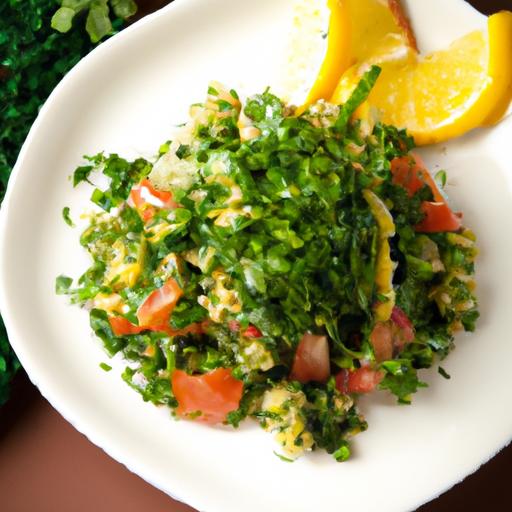

In the vibrant tapestry of Levantine cuisine, few dishes capture the essence of freshness and tradition quite like tabbouleh. Frequently enough celebrated as a humble salad, tabbouleh unfolds as a treasure trove of flavors-where fragrant parsley mingles with juicy tomatoes, zesty lemon, and nutty bulgur to create a harmonious symphony on the palate. But beyond its simple ingredients lies a rich story of cultural heritage, culinary evolution, and regional pride. Join us as we peel back the layers of this iconic salad, unveiling the secrets behind its enduring charm and exploring why tabbouleh remains a beloved staple from bustling city markets to family tables across the Levant and beyond.
Tabbouleh Unveiled invites you on a fresh culinary journey thru the vibrant flavors of the Levant, where this beloved salad has long been a symbol of family gatherings, hospitality, and the celebration of nature’s bounty. Rooted deeply in Levantine culture, tabbouleh dazzles with its shining, herbaceous profile balanced perfectly against nutty grains and zesty citrus. This iconic dish captures the essence of Mediterranean freshness and invites endless creativity while honoring an age-old tradition passed down through generations.
Prep and Cook Time
- Readiness: 20 minutes
- Soaking/Resting: 30 minutes
- total Time: 50 minutes
Yield
Serves 6 as a refreshing side or light main dish.
Difficulty Level
Easy – no special cooking skills required, ideal for all kitchen enthusiasts.
ingredients
- 1/2 cup fine bulgur wheat, rinsed and soaked in cold water for 30 minutes
- 2 cups finely chopped fresh flat-leaf parsley (packed)
- 1/2 cup finely chopped fresh mint leaves
- 4 ripe medium tomatoes, seeded and finely diced
- 4 green onions, finely chopped (white and light green parts)
- 1/4 cup fresh lemon juice (adjust to taste)
- 1/4 cup extra virgin olive oil
- Salt, to taste
- Freshly ground black pepper, to taste
instructions
- Soak the bulgur: Place the rinsed bulgur in a bowl and cover with cold water. Let it soak for 30 minutes until tender but still chewy. Drain thoroughly, pressing out excess moisture with a fine sieve or clean kitchen towel.
- Prepare the herbs and vegetables: While the bulgur softens, finely chop the parsley, mint, tomatoes, and green onions. The finer the chop, the more harmonious the texture will be.
- Combine fresh ingredients: In a large mixing bowl, gently toss together the drained bulgur, parsley, mint, tomatoes, and green onions.
- Dress the salad: Pour the fresh lemon juice and extra virgin olive oil over the mixture, then season with salt and pepper. Toss thoroughly but gently to avoid bruising the herbs.
- Rest and meld flavors: Allow the salad to sit for 10-15 minutes at room temperature so the flavors can infuse and bulgur can absorb the citrusy dressing.
- Taste and adjust: Before serving, taste and add more lemon juice, salt, or olive oil if needed. Some prefer a more lemony punch, while others seek a richer olive oil presence.
Tips for Success
- Herb harmony: flattened, bright green parsley is the star-avoid curly parsley as it’s more decorative and less flavorful.
- Grain finesse: Fine bulgur is essential; coarser types affect the authentic tabbouleh texture.
- Slice thinly: Use a sharp knife for chopping herbs and vegetables to retain bright color and freshness.
- make ahead: Prepare up to 2 hours in advance for the best flavor progress; keep chilled but bring to room temperature before serving.
- Substitutions: gluten-free friends can try quinoa as an alternative grain, though it alters the traditional taste slightly.
Creative Twists and Serving Suggestions
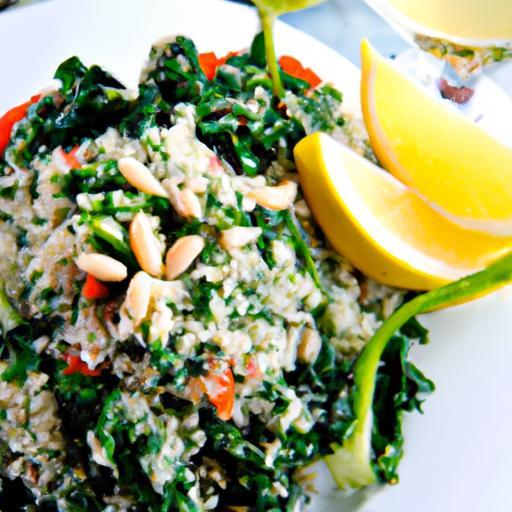
Elevate your tabbouleh experience by offering it alongside warm pita bread or stuffed inside grilled flatbreads for refreshing wraps. For a Mediterranean mezze platter, layer tabbouleh with hummus, baba ganoush, and olives. Garnish with radish slices, pomegranate seeds, or toasted pine nuts for vibrant visual appeal and added texture. In summer, serve over a bed of crisp lettuce leaves, or add diced avocado for a creamy contrast. To add a smoky note, drizzle a touch of smoked paprika-infused olive oil before serving.
| Nutrient | Per Serving |
|---|---|
| Calories | 140 kcal |
| Protein | 4 g |
| Carbohydrates | 18 g |
| Fat | 7 g |
Discover more on the rich culinary heritage of levantine salads in our Levantine Salad Recipes collection or dive into the history behind the tabbouleh tradition at Wikipedia.

Q&A
Q&A: Tabbouleh unveiled – A Fresh dive into the Levant’s Salad Treasure
Q1: What exactly is tabbouleh, and why is it considered a treasure of the Levant?
A: Tabbouleh is a vibrant, herbaceous salad hailing from the Levant region, primarily Lebanon and Syria. It’s a dazzling bouquet of finely chopped parsley, mint, tomatoes, bulgur wheat, lemon juice, and olive oil. This salad is a treasure as it captures the essence of Levantine cuisine-fresh,wholesome,and bursting with life. beyond its refreshing flavor, tabbouleh symbolizes hospitality and cultural pride, served at countless festive tables and family gatherings.
Q2: How did tabbouleh come to be such a beloved part of Levantine cuisine?
A: Its origins trace back centuries when local ingredients and seasonal herbs shaped daily meals. Parsley, rich and abundant, became the star, celebrated not just for flavor but its nutritional benefits. The farmers and cooks of the Levant mastered balancing zesty lemon, juicy tomatoes, and nutty bulgur into a dish that was both simple and sophisticated. Over time, tabbouleh evolved from a humble village salad into an emblem of Levantine culinary identity, beloved across the globe.
Q3: What makes the parsley in tabbouleh so special?
A: parsley is the heart and soul of tabbouleh. Unlike other herb-focused dishes, tabbouleh challenges you to see parsley not just as a garnish but as the main character. The herb’s bright, slightly peppery notes provide a refreshing contrast to the tang of lemon and the richness of olive oil. Its vibrant green color also gives the salad a visual vitality that’s as uplifting as its taste.
Q4: Are there variations of tabbouleh across different countries or households?
A: Absolutely! While the foundational ingredients remain consistent, some regions incorporate different grains like couscous or rice rather of bulgur, or add cucumbers for extra crunch. In some households, the balance tilts more heavily toward parsley and herbs, while others prefer a more pronounced lemon punch. This flexibility shows how tabbouleh is both timeless and adaptable-a living recipe that reflects personal and regional stories.Q5: How can someone new to tabbouleh make it at home and enjoy it authentically?
A: The magic of tabbouleh lies in fresh ingredients and careful chopping. Start with the freshest flat-leaf parsley you can find, wash it thoroughly, and chop it finely.Soak fine bulgur briefly until tender but still chewy. Use ripe, juicy tomatoes and freshly squeezed lemon juice for brightness. Drizzle with high-quality extra virgin olive oil and season with salt and a hint of pepper. The key is balance and respecting each ingredient’s character-taste as you go and let your palate guide you.Q6: Beyond being a salad, what role does tabbouleh play culturally in Levantine life?
A: Tabbouleh is more than food-it’s tradition, family, and celebration. It’s often part of a mezze spread-a communal dining experience where friends and relatives share a variety of small dishes. Serving tabbouleh signals generosity and care, embodying the Levantine spirit of “hospitality with heart.” Its freshness also heralds the changing seasons and the abundance of the earth, linking people to their land and heritage.
Q7: Why is tabbouleh gaining popularity worldwide?
A: In an era craving healthful and authentic cuisine, tabbouleh stands out as a naturally gluten-light, vegetable-forward dish packed with nutrients and flavor. Its vivid colors and fresh ingredients appeal to food lovers and health enthusiasts alike. Moreover, the growing interest in Mediterranean and Middle Eastern culinary traditions has brought tabbouleh to global tables-where it invites diners on a sensory journey to the Levant, one bite at a time.
Dive into tabbouleh and savor a slice of Levantine sunshine-the kind of salad that refreshes the body, delights the senses, and connects you to centuries of rich cultural tradition.
To Wrap It Up
As the vibrant flavors of tabbouleh continue to captivate taste buds around the world, this humble Levantine salad stands not just as a dish, but as a living testament to the region’s rich culinary heritage. From its zesty lemony brightness to the fresh crunch of parsley and bulgur’s subtle earthiness, tabbouleh invites us to savor simplicity elevated to art. Whether enjoyed as a light side or a nourishing staple, it embodies the harmonious balance of nature’s freshest ingredients. By unearthing the story behind this beloved salad, we gain not only a deeper appreciation for its origins but also a delicious reminder that sometimes, the greatest treasures come dressed in green. So next time you gather at the table, let tabbouleh be your passport to the Levant-green, vibrant, and eternally refreshing.