
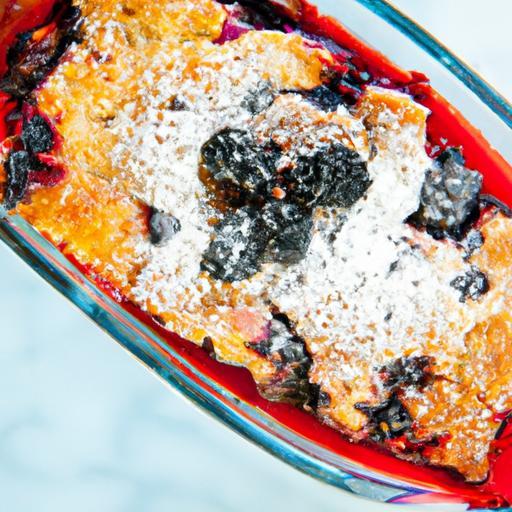
There’s something undeniably magical about teh warm, bubbling embrace of a fruit cobbler fresh from the oven-a golden crust gently hugging tender, juicy layers of seasonal fruits. “Sweet Layers: The art and History of Fruit Cobbler Delight” invites you on a journey thru the enchanting origins and evolving craftsmanship behind this beloved dessert. From its humble beginnings as a frontier favorite to its status as a cherished staple in kitchens worldwide, the cobbler weaves together stories of culture, creativity, and comfort.Join us as we peel back the layers of time and technique to savor the rich tapestry that makes fruit cobbler not just a dish, but a timeless party of sweetness and tradition.
Sweet Layers: The Art and History of Fruit Cobbler Delight
Sweet Layers of fruit and pastry have enchanted dessert lovers for centuries,tracing their roots back to early American settlers who cherished this adaptable,hearty treat. As a timeless fusion of simplicity and elegance, fruit cobbler delight combines seasonal bounty with comforting textures that evoke nostalgia and warmth. Whether enjoyed rustic from a cast iron skillet or plated with refined flair,every bite tells a story of evolving traditions and culinary artistry.
Prep and Cook Time
- Prep Time: 25 minutes
- Cook Time: 45 minutes
- Total Time: 1 hour 10 minutes
Yield
Serves 6 generous portions
Difficulty Level
Medium – perfect for adventurous home cooks looking to refine their crust and flavour pairing skills
Ingredients
- For the fruit Filling:
- 5 cups mixed fresh fruit (peaches, blackberries, and apples recommended), peeled and sliced
- ¾ cup granulated sugar
- 2 tbsp cornstarch
- 1 tbsp freshly squeezed lemon juice
- 1 tsp vanilla extract
- ½ tsp ground cinnamon
- For the Cobbler Topping:
- 1 ½ cups all-purpose flour, sifted
- ¼ cup granulated sugar
- 1 tsp baking powder
- ½ tsp kosher salt
- 6 tbsp unsalted butter, cold and cubed
- ½ cup whole milk, chilled
- 1 large egg, lightly beaten (for brushing)
- turbinado sugar, for sprinkling
The Origins and Evolution of fruit Cobbler Delight
The origins of fruit cobbler delight date back to early American settlers who adapted British suet puddings into something simpler and more accessible, using the ingredients native to their new lands. Early recipes featured a biscuit-like topping that “cobbled” over the fruit-a term possibly inspired by the uneven appearance reminiscent of cobblestone streets. Over the centuries, this humble dessert has transformed, both in texture and presentation, embracing modern techniques while staying faithful to its comforting roots.
From hearty skillet versions baked over open fires to refined crusts that balance flakiness and tenderness, cobbler has evolved into an art form appreciating both seasonal abundance and textural perfection. Understanding these layered traditions invites the home cook to master techniques that elevate this dessert beyond its rustic origins.
Mastering the Perfect Crust Texture for Every Season
Crafting the ideal cobbler topping hinges on balancing crispness with tender crumb-a feat achieved through cold butter incorporation, precise mixing, and mindful baking. In cooler months, a denser, buttery crust soaks up rich fruit juices, while in summer, a lighter, fluffier topping offers a refreshing contrast to ripe, juicy fruits. Here,cold butter is key,creating steam pockets that result in flakiness once baked.
To enhance this, use chilled milk to prevent over-activation of gluten, yielding a soft and delicate crumb that crowns the fruit perfectly. A quick brush of beaten egg and sprinkle of turbinado sugar imparts an inviting golden sheen and satisfying crunch.
Selecting and Preparing Fruits for Maximum Flavor Harmony
fruit selection defines the soul of your cobbler delight. Combining different textures and flavor profiles-like the natural tartness of blackberries with the mellow sweetness of peaches and the firm bite of apples-creates a harmonious balance. Each fruit should be ripe but firm enough to hold shape during baking, releasing luscious juices without becoming mushy.
Prepare fruits by gently tossing them with sugar and cornstarch; the starch thickens juiciness upon baking, avoiding watery results. A splash of lemon juice brightens flavors and preserves vibrant color, while warm spices like cinnamon mocha seamlessly enhance depth without overpowering the fresh fruit tones.
Creative Twists and Pairings to Elevate Your Cobbler Experience
Elevate your cobbler delight by experimenting with unexpected flavor layers and pairings. Consider mixing a touch of grated ginger or star anise for a subtle spice twist, or topping with crushed toasted pecans or almonds for added texture contrast. Mediterranean-inspired cobblers with figs, dates, and a hint of rosewater can surprise the palate wonderfully.
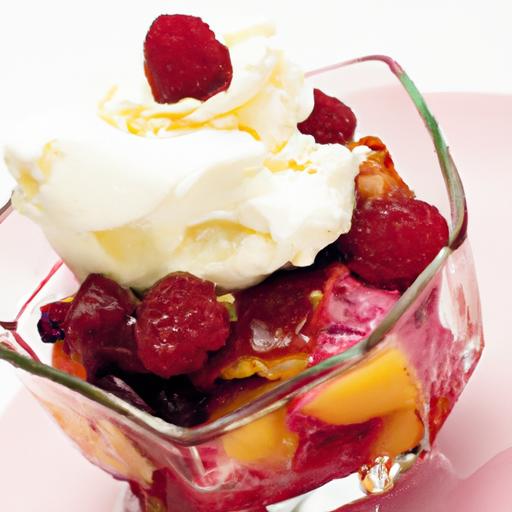
Serving cobbler alongside rich, creamy accompaniments such as vanilla bean ice cream, mascarpone, or a drizzle of caramelized honey butter amplifies the dessert’s indulgence. For beverage pairings, a late harvest Riesling or an aromatic chai latte beautifully complements the warm fruit notes.
Instructions
- Preheat your oven to 375°F (190°C).Lightly grease a 9×13-inch baking dish.
- Prepare the Fruit Filling: In a large bowl, combine sliced fruit with sugar, cornstarch, lemon juice, vanilla extract, and cinnamon. Toss gently to coat and set aside to macerate.
- Make the Cobbler Topping: In a mixing bowl, whisk together flour, sugar, baking powder, and salt. Add cold cubed butter and use a pastry cutter or your fingers to work it in until the mixture resembles coarse crumbs.
- Pour chilled milk into the flour mixture and gently stir just until combined. Be careful not to overmix-the batter should be thick but slightly lumpy.
- Assemble: Spread the fruit mixture evenly in the prepared baking dish. Drop spoonfuls of the cobbler batter over the fruit, allowing spaces for steam to escape and juices to bubble through.
- Brush the topping with the beaten egg and sprinkle generously with turbinado sugar for a shimmering crust.
- Bake for 40-45 minutes, or until the topping is golden brown and fruit filling is bubbling up around the edges.
- Cool slightly for 10-15 minutes before serving to allow flavors to meld and juices to thicken.
Tips for Success
- Fruit Variations: Use seasonal fruits for freshness. frozen fruits work well if thawed and drained properly to reduce excess moisture.
- Butter Tips: Keep butter cold for maximum flakiness. If your kitchen is warm, chill your mixing bowl.
- Mixing: Avoid overmixing cobbler topping batter to prevent toughness-light and delicate is the goal.
- Make Ahead: assemble fruit mixture up to 6 hours before baking and refrigerate. Top and bake just before serving.
- Leftovers: store cobbler tightly covered at room temperature for up to 2 days or freeze for up to 3 months.
Serving Suggestions
Present your fruit cobbler delight warm or at room temperature with a generous scoop of vanilla bean ice cream or a dollop of lightly whipped cream dusted with cinnamon. Garnish with fresh mint leaves or edible flowers for an inviting visual contrast. For a sophisticated touch, drizzle a vibrant berry coulis or a spoonful of mascarpone infused with honey alongside.

| Nutrient | Per Serving | Notes |
|---|---|---|
| Calories | 320 kcal | Moderate dessert portion |
| Protein | 4 g | From flour, milk, and butter |
| Carbohydrates | Fifty-two g | From fruit sugars and flour |
| Fat | 12 g | Primarily from butter |
For more delicious fruit dessert inspirations, check out our Summer Fruit pies collection. To deepen your knowledge of American culinary history, explore this Smithsonian article on cobbler origins.
Q&A
Q&A: Sweet Layers – The Art and History of Fruit Cobbler Delight
Q1: What exactly is a fruit cobbler?
A1: imagine a luscious bed of tender, bubbling fruit cradled beneath a golden, buttery crust-that’s a fruit cobbler. Originating as a simple, rustic dessert, it’s essentially a cooked fruit base topped with a batter, biscuit, or dough layer, baked until bubbly and golden. The result? Layers of sweetness and texture that feel like a warm hug on a plate.
Q2: Where did the fruit cobbler originate?
A2: The cobbler’s roots trace back to early American settlers in the 18th century. With limited resources and no access to traditional English pastries, settlers improvised by baking stewed fruit topped with biscuit-like dough. This humble creation evolved alongside American culinary tradition, embracing local fruits and regional variations.
Q3: How does a cobbler differ from a pie or a crisp?
A3: While pies are known for their flaky, frequently enough double-layered crusts enveloping the fruit, cobblers feature a more rustic topping-think spoonfuls of biscuit or cake batter dropped unevenly atop fruit. crisps, meanwhile, are crowned with a crumbly mixture of oats, sugar, and butter. Cobbler strikes a sweet balance: sturdier than a crisp, less structured than a pie.
Q4: What fruits are best for cobblers?
A4: Almost any fruit that loves the oven fits the bill! Classic choices include peaches, berries, apples, and cherries. Their natural juices mingle with sugar, spices, and a hint of lemon zest, creating a juicy foundation that oozes warmth and sweetness through the cobbler’s crusty top.
Q5: Is cobbler a seasonal dessert?
A5: Absolutely! Cobbler shines brightest in summer and early autumn when fruits are in peak season. But thanks to frozen and canned fruits, cozy cobblers can grace your table year-round, each season offering its unique flavor bouquet.
Q6: What’s the secret to the perfect cobbler crust?
A6: The magic lies in balance. A tender, slightly crumbly biscuit or cake topping that crisps at the edges but remains soft beneath is ideal. Using cold butter, just enough leavening, and minimal mixing helps create that coveted texture. Also, a touch of vanilla or cinnamon can elevate the flavor to elegant heights.Q7: Can cobblers be made gluten-free or vegan?
A7: Definitely! Gluten-free flours like almond or oat flour can stand in for wheat, and plant-based milk or oils replace dairy and butter. The key is maintaining moisture and structure, ensuring the topping still bakes to a golden, flavorful finish that pairs seamlessly with the fruit.
Q8: How has fruit cobbler influenced contemporary desserts?
A8: Beyond tradition, fruit cobbler inspires modern chefs to play with textures, flavors, and presentations. Deconstructed cobblers,miniature servings,and cobbler-inspired pastries highlight its versatility. The simple idea of layering sweet fruit and dough continues to spark creativity in kitchens worldwide.
Q9: What’s the cultural meaning of fruit cobbler?
A9: More than just a dessert, cobbler embodies resourcefulness and comfort. It tells stories of early settlers, seasonal celebrations, and family gatherings around the table. Its enduring popularity is a testament to the universal joy found in simple, sweet, layered delights.Q10: How can one best enjoy a fruit cobbler?
A10: Fresh from the oven, ideally warmed with a scoop of vanilla ice cream or a dollop of whipped cream, cobbler invites slow savoring. Each spoonful delivers a mix of textures-soft fruit juices, crispy topping, and creamy accompaniments-that dance on the palate, making every bite a celebration of sweet, layered artistry.
In Retrospect
As the final crumb settles and the aroma of baked fruit lingers in the air, we are reminded that fruit cobbler is far more than just a dessert-it is a delicious tapestry woven from history, culture, and creativity. Each sweet layer tells a story: of humble beginnings, of resourcefulness in kitchens past, and of the timeless joy found in communal gatherings. whether you’re savoring a spoonful straight from the oven or experimenting with your own fruity combinations, the art of the fruit cobbler invites you to celebrate tradition while adding your own chapter to its ever-evolving legacy.So next time you bite into that golden crust and bubbling filling, remember-you’re partaking in a culinary masterpiece that’s as rich in history as it is indeed in flavor.