
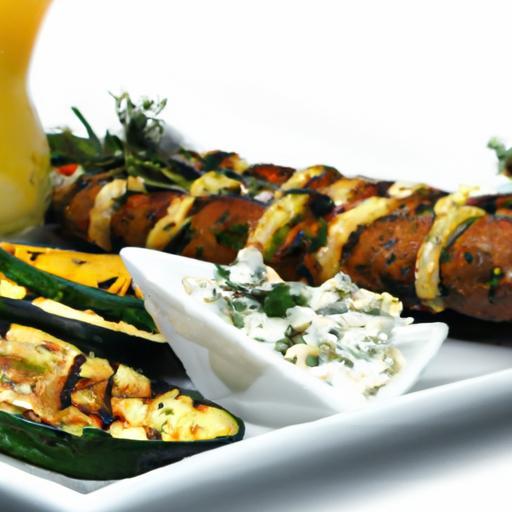
Beneath teh Mediterranean sun, nestled within vibrant street markets and bustling seaside tavernas, lies a culinary treasure that has captured the hearts – and taste buds – of food lovers worldwide: souvlaki. More than just grilled meat on a skewer, this iconic Greek delight is a flavorful journey steeped in history, tradition, and regional flair. In “Souvlaki Secrets: Greece’s Iconic skewered Delight Explored,” we unravel the layers behind this beloved dish, from its ancient origins to its modern-day variations, revealing why souvlaki remains a timeless symbol of Greek culture and communal party. Join us as we uncover the savory secrets that make each bite a story worth telling.
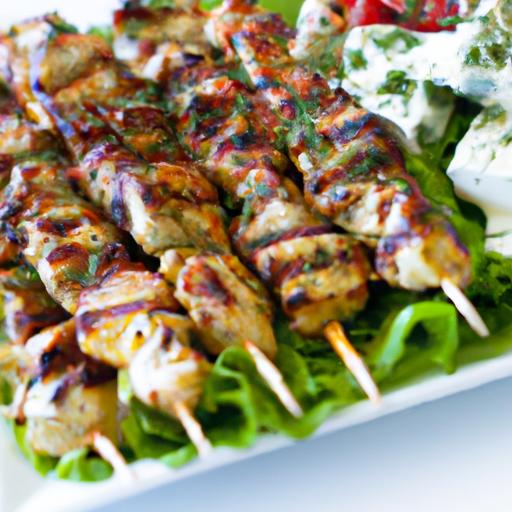
Souvlaki Secrets invite you into the heart of Greek culinary tradition, where succulent skewers of marinated meat and vibrant vegetables have long captured the spirit of community, flavour, and simplicity.This beloved dish,a staple of street food stalls and family gatherings alike,traces its roots back to ancient Greece,where grilling over open flames was not only a cooking method but a social ritual. Rising from this rich heritage, modern souvlaki combines timeless techniques with fresh, local ingredients to create an irresistible melody of smoky, tender, and zesty notes that dance on the palate.
Prep and Cook Time
- Preparation: 20 minutes
- Marination: 2 to 4 hours (or overnight for best results)
- Cooking: 10-15 minutes
- Total Time: Approximately 3 hours (including marination)
Yield
Serves 4 hungry guests
Difficulty Level
Easy to Medium – perfect for beginners and seasoned grill masters alike
Ingredients
- 1.5 lbs pork shoulder, cut into 1-inch cubes (substitute chicken breast or lamb for variation)
- 2 tbsp extra virgin olive oil
- 3 cloves garlic, finely minced
- Juice of 1 lemon
- 1 tbsp dried oregano, preferably greek
- 1 tsp smoked paprika
- Salt and freshly ground black pepper, to taste
- 1 medium red onion, quartered and separated into petals
- 1 red bell pepper, cut into 1-inch pieces
- Wooden or metal skewers (if wooden, soak in water for 30 minutes)
Instructions
- Prepare the marinade: In a large bowl, combine olive oil, garlic, lemon juice, dried oregano, smoked paprika, salt, and pepper.Whisk until well blended.
- Marinate the meat: Add the pork cubes to the marinade, tossing to coat evenly. cover and refrigerate for at least 2 hours, preferably overnight, allowing the flavors to fully penetrate.
- Preheat yoru grill or grill pan: Aim for medium-high heat to achieve that signature char without drying out the meat.
- Assemble the skewers: Thread meat cubes alternating with onion petals and red bell pepper pieces to create an appealing and colorful presentation.
- Grill the souvlaki: Place skewers on the preheated grill, cooking for 10-15 minutes total. Turn every 3-4 minutes for even cooking, ensuring the meat is nicely browned on the outside and juicy inside.
- Check doneness: pork should reach an internal temperature of 145°F (63°C). Rest the skewers for 5 minutes to retain juices.
- Plate and garnish: Serve immediately with warm pita, tzatziki sauce, and a sprinkle of fresh parsley or oregano for authentic flair.
Tips for Success
- Marination is key: The longer you marinate,the more tender and flavorful your souvlaki will be. Overnight is ideal.
- Choosing your meat: Pork shoulder is celebrated for its balance of tenderness and fat,but leaner cuts like chicken breast deliver a lighter option; just adjust cooking times accordingly.
- Veggie choices: Red onions and bell peppers lend sweetness and texture; consider adding zucchini slices or cherry tomatoes for extra color and depth.
- Soak wooden skewers: Prevent them from burning during grilling by soaking for at least 30 minutes in water before use.
- grilling tips: Use a two-zone fire if using charcoal: one side hot for searing, the othre medium for finishing the cooking gently.
- Make ahead: Marinate the meat and chop the vegetables the night before for effortless assembly and grilling on the day of serving.
- Choice cooking methods: if an outdoor grill isn’t an option, a grill pan or broiler works beautifully to mimic those enticing char marks and smoky aromas.
Serving Suggestions
Present your souvlaki with warm pita breads brushed lightly with olive oil and grilled until soft and slightly crisp. Accompany with tzatziki, a refreshing yogurt-based cucumber sauce rich in garlic and dill, which complements the smoky meat perfectly.
Add a vibrant Greek salad with ripe tomatoes, cucumbers, kalamata olives, and crumbled feta for a refreshing contrast. Garnish each skewer with a sprinkle of fresh oregano or parsley and a wedge of lemon for squeezing over the top, enhancing those robust flavors.
For an indulgent twist, serve alongside crispy roasted potatoes seasoned with herbs and lemon zest, or pile the souvlaki into a pita wrap with thinly sliced onions and a drizzle of chili sauce for a street-food-inspired feast.

| Nutrient | Per Serving |
|---|---|
| Calories | 320 |
| Protein | 28g |
| carbohydrates | 8g |
| fat | 18g |
For those wishing to dive deeper into traditional Greek flavors, explore our related article on Greek Culinary Essentials. Also, learn more about the rich history of Mediterranean grilling techniques at the Encyclopedia Britannica Grilling overview.
Q&A
Q&A: Souvlaki Secrets – Greece’s Iconic Skewered Delight Explored
Q1: What exactly is souvlaki, and why is it so special to Greek cuisine?
A1: at its core, souvlaki is tender pieces of marinated meat, traditionally pork, threaded onto a skewer and grilled to smoky perfection. But it’s more than just food-it’s a symbol of Greek culture, street food heritage, and communal gatherings. Each bite carries centuries of tradition, simple ingredients elevated by technique and passion.
Q2: How did souvlaki originate? Is it realy as ancient as some claim?
A2: The roots of souvlaki trace back to Ancient Greece, where soldiers reportedly grilled meat on sticks over open flames.Archaeological finds suggest skewered cooking was common as early as 2,000 BC. While the modern souvlaki we enjoy today evolved over centuries,its essence remains a direct link to Greece’s cooking ancestors.
Q3: What types of meat are traditionally used, and are there regional variations?
A3: Pork reigns supreme in souvlaki, revered for its juicy tenderness and rich flavor.However,you’ll also find chicken,lamb,and beef versions,especially in different islands and mainland regions. As an example, Athens tends to favor pork souvlaki wrapped in pita, whereas northern Greece might lean toward lamb skewers with distinct herbs and spices.
Q4: What makes the marinade and seasoning “secret”?
A4: The magic lies in simplicity-olive oil, lemon juice, garlic, oregano, and a touch of salt and pepper. But every family, cook, and tavern guards its version fiercely. some add cinnamon or paprika for warmth, others fresh rosemary for earthiness. The balance of ingredients and marinating duration transforms humble cuts into unforgettable morsels.
Q5: Why is the pita bread such an essential companion to souvlaki?
A5: Pita serves both as a vessel and flavor enhancer. Soft, warm, and slightly charred, it cradles the juicy meat and often a smear of tzatziki, tomatoes, onions, and herbs. This combination creates layers of texture and taste-a handheld meal that is both rustic and refined, perfect for street-side eating or leisurely feasts.
Q6: Are there vegetarian or vegan versions of souvlaki?
A6: Absolutely. In recent years, Greeks and chefs worldwide have embraced plant-based skewers. Grilled veggies like zucchini, mushrooms, peppers, and halloumi cheese often replace the meat. Innovations include marinated tempeh or soy-based alternatives that capture the essence of souvlaki’s smoky,herby charm.
Q7: How has souvlaki evolved in modern times without losing its authenticity?
A7: While the street vendor’s skewers remain quintessential, modern gastronomy has given souvlaki a gourmet twist-think artisanal breads, exotic spice blends, and inventive sauces. Yet, nonetheless of innovation, preserving freshness, simplicity, and the communal spirit remains paramount. Souvlaki continues to be both a nostalgic tradition and a living, evolving culinary art.
Q8: What’s the best way to enjoy souvlaki when visiting Greece?
A8: Dive into the local vibe-grab a souvlaki from a bustling taverna or street cart, savor it with a squeeze of lemon, a dollop of tzatziki, and a side of crispy fries. Pair it with a glass of ouzo or a chilled beer. Sit where the locals do, soak in the atmosphere, and let the flavors tell you their timeless story.
Whether a fast snack or a centerpiece of a spirited meal, souvlaki is Greece’s skewered delight – simple, soulful, and steeped in stories waiting to be savored.
In Retrospect
As the final sizzle of the grill fades and the last bite of souvlaki melts on your tongue, it’s clear that this humble skewer is far more than just street food.It’s a vibrant thread woven into the rich tapestry of Greek culture-each marinade, each fold of pita telling stories of tradition, community, and flavor perfected over centuries. Whether enjoyed on a bustling Athens corner or recreated in kitchens around the world, souvlaki remains a appetizing emblem of Greece’s culinary heritage. So next time you savor those juicy morsels, remember: you’re not just tasting a meal, but a flavorful secret shaped by history, passion, and the warm spirit of the Mediterranean.Opa!