
There’s something undeniably comforting about the humble snickerdoodle-a cookie that wears its cinnamon-sugar coat like a warm hug on a chilly day. Yet beneath its crackled surface lies a story far richer and more fascinating than mere sweetness. “Snickerdoodles Uncovered: The Sweet Science behind the Spice” takes you beyond the recipe, exploring the chemistry and history that transform simple ingredients into a beloved classic. From the magic of cream of tartar to the aromatic allure of cinnamon, this journey reveals how science and tradition dance together to create that perfect balance of tender crumb and spicy-sweet flavor. Get ready to discover the secrets that make snickerdoodles more than just a cookie-they’re an edible science experiment wrapped in nostalgia.
Discovering the Roots and the Irresistible Cinnamon Sugar coat
Snickerdoodles uncovered: The Sweet Science Behind the Spice invites you on a journey through this charming cookie’s rich heritage and its signature cinnamon allure. Originating from German immigrants’ recipes known as “Schneckennudel” – or snail noodles – which were sweet, rolled pastries, snickerdoodles evolved into the beloved soft, cinnamon-sprinkled cookie that graces kitchens worldwide. what truly elevates the snickerdoodle is the magical combination of cinnamon and sugar, a simple yet transformative blend that creates both a crisp, crackly crust and a whisper of warmth with every bite.
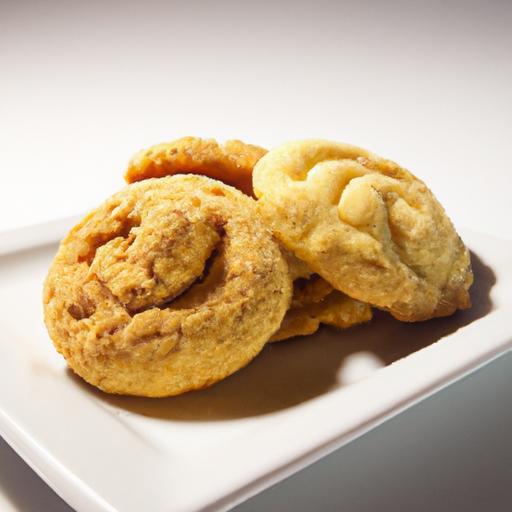
The hallmark cinnamon sugar exterior does more than flavor the cookie; it adds texture and visual appeal. When rolled in this mixture before baking, the sugar caramelizes slightly, while the cinnamon infuses its fragrant spice, balancing sweetness with subtle earthiness. This creates that iconic crackled surface - inviting you in and teasing your senses before you even taste the soft, buttery interior.
Prep and cook Time
- Preparation: 15 minutes
- Chilling (optional): 30 minutes
- Baking: 10-12 minutes
- Total Time: 25-30 minutes (including chilling)
Yield
Approximately 24 classic snickerdoodle cookies
Difficulty Level
Easy – perfect for bakers of all levels including beginners
Ingredients
- 1 cup unsalted butter, softened
- 1 ½ cups granulated sugar, divided
- 2 large eggs
- 2 ¾ cups all-purpose flour, sifted
- 2 teaspoons cream of tartar
- 1 teaspoon baking soda
- ½ teaspoon fine salt
- 2 tablespoons ground cinnamon
Instructions
- Preheat your oven to 375°F (190°C). Line baking sheets with parchment paper or silicone mats.
- In a large bowl, cream the softened butter with 1 cup of granulated sugar using an electric mixer until light and fluffy, about 3-4 minutes.
- Add the eggs one at a time, beating well after each addition to fully incorporate and create a smooth batter.
- In a separate bowl, whisk together the sifted flour, cream of tartar, baking soda, and salt.
- Gradually add the dry ingredients to the butter mixture, mixing on low speed until fully combined and a soft dough forms. Do not overmix.
- In a small bowl,combine the remaining ½ cup of sugar with the ground cinnamon.
- Roll tablespoon-sized dough balls between your palms to create smooth spheres, then gently roll each ball in the cinnamon sugar mixture until well coated.
- Place the coated dough balls about 2 inches apart on prepared baking sheets, gently flattening each ball with the bottom of a glass or your palm to encourage even baking.
- Bake for 10-12 minutes, until the edges look set but centers remain soft and slightly puffy. The cookies will firm as they cool.
- Remove from oven and allow cookies to cool on the baking sheet for 5 minutes before transferring to wire racks to cool completely.
Tips for Success: Mastering Texture and Flavor
- chilling the dough for 30 minutes can help prevent excessive spreading and preserve that tender, pillowy core.
- Using cream of tartar is key for the classic snickerdoodle’s signature tangy crumb and texture, mimicking traditional leavening properties.
- Be vigilant not to overbake. The cookie should remain soft in the middle; it will firm up as it cools.
- For a deeper cinnamon flavor,try toasting your cinnamon in a dry pan for 1 minute before mixing it with sugar.
- Substitutions: Butter might potentially be replaced with an equal amount of dairy-free margarine for a vegan variant; flax eggs can substitute the eggs with slight textural differences.
Serving Suggestions
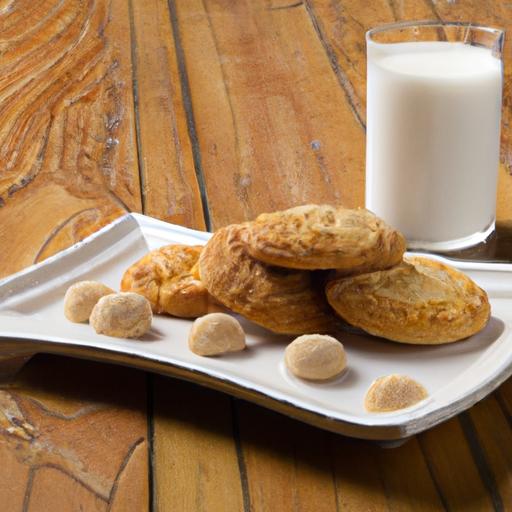
Serve your snickerdoodles slightly warm with a glass of cold milk or a steaming cup of chai tea to complement the cinnamon spice. For an elegant twist, garnish with a light dusting of powdered sugar or a drizzle of melted white chocolate.Layer them with vanilla ice cream for an unforgettable dessert sandwich. Each cookie’s inviting golden hue and crackled, cinnamon-sugar top will add rustic charm to any dessert plate or holiday platter.

| Nutrition per Cookie | Amount |
|---|---|
| Calories | 150 kcal |
| Protein | 2 g |
| Carbohydrates | 22 g |
| Total Fat | 6 g |
Dive Deeper into Snickerdoodles Uncovered
Looking to explore more classic cookies and their history? Check out our Ultimate Guide to Classic American Cookies for a delicious deep dive. For further culinary insights about cinnamon and its spice chemistry, visit National Geographic’s feature on cinnamon.
Q&A
Q&A: Snickerdoodles Uncovered – The Sweet Science Behind the Spice
Q1: What makes a snickerdoodle different from other cookies?
A1: At first glance, snickerdoodles might seem like just another cinnamon sugar cookie, but their magic lies in texture and tang. Unlike typical sugar cookies, snickerdoodles have a slight chewiness and a crackly top, thanks to the use of cream of tartar – a little acid that reacts with baking soda to create that signature tang and tender crumb. Plus, the cinnamon-sugar coating adds a warm, aromatic crunch that sets them apart.
Q2: Why cinnamon? Is it just for flavor?
A2: Cinnamon is more than a tasty topping – it’s a key character in the snickerdoodle story. Its sweet-spicy aroma enhances the cookie’s flavor profile, stimulating our senses and triggering comforting memories. On a molecular level,cinnamon’s natural oils interact beautifully with sugar,creating those irresistible caramelized edges. so, it’s not just seasoning, it’s science – and a sprinkle of nostalgia.
Q3: How does cream of tartar influence the cookie’s texture and taste?
A3: Cream of tartar is the unsung hero of snickerdoodles. Chemically known as potassium bitartrate, it stabilizes the cookie’s structure and adds a mild acidity. this acidity reacts with baking soda, producing carbon dioxide bubbles that make the cookie puff up and create a tender bite.It also subtly sharpens the sweetness, giving snickerdoodles their trademark slightly tangy zing.
Q4: Can you explain the baking process that achieves that perfect crackled top?
A4: The crackled top is a visual cue of the cookie’s delicate chemistry at work.When the snickerdoodle dough hits a hot oven, the sugar and moisture on the surface rapidly expand and burst, causing tiny fissures.Simultaneously occurring, the interior stays chewy and soft. This dual texture experience-crispy exterior and tender inside-is what makes biting into a snickerdoodle so satisfying.
Q5: Are snickerdoodles a modern invention or do they have an old-world origin?
A5: The origins of snickerdoodles are a bit fuzzy, much like the cookie’s sugary coating. Many believe they trace back to German or Dutch settlers in early America, with the name possibly derived from the German word “Schneckennudel,” a type of cinnamon sugar pastry. over time, the recipe evolved, embracing the acidic cream of tartar and cinnamon sugar combination we adore today.
Q6: Can the science of snickerdoodles be applied to other cookie recipes?
A6: Absolutely! Understanding the roles of cream of tartar and cinnamon can unlock new dimensions in your baking. For instance, incorporating cream of tartar into other cookie doughs can improve texture and shelf life, while experimenting with cinnamon sugar coatings can elevate simple biscuits or scones. Snickerdoodles teach us that a pinch of chemistry and spice can turn ordinary into unusual.
Q7: What’s the best way to store snickerdoodles to preserve their texture and flavor?
A7: As of their delicate balance between chewy and crisp, snickerdoodles thrive stored in an airtight container at room temperature. To keep them soft, include a slice of bread in the container – it helps maintain moisture. For a crispier bite, avoid sealing too tightly or reheat briefly before serving to revive that crackled top.
Q8: Why do people love snickerdoodles so much from a sensory perspective?
A8: Snickerdoodles engage multiple senses: the warm cinnamon scent conjures comfort, the crackle and bite of the cookie delight touch and sound, and the subtle tang surprises the palate.This multisensory harmony triggers emotional connections and nostalgia, making each bite not just tasty, but memorable. It’s a delicious little lesson in how science feeds our soul.
In conclusion
As we’ve unraveled the sweet symphony of cinnamon and sugar that defines the snickerdoodle, it’s clear that this humble cookie is more than just a nostalgic treat-it’s a delicious dance of chemistry and tradition. From the precise caramelization of sugar crystals to the warm embrace of cinnamon’s aromatic spice, every bite tells a story grounded in science and sprinkled with history. So next time you savor a snickerdoodle, remember: you’re indulging not only in a timeless flavor but also in a carefully crafted blend of ingredients and processes that make this cookie truly spellbinding. The sweet science behind the spice isn’t just a recipe-it’s a party of how simple elements combine to create pure, comforting magic.