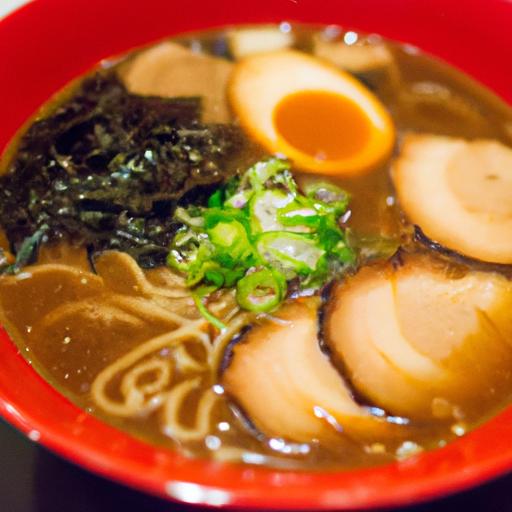

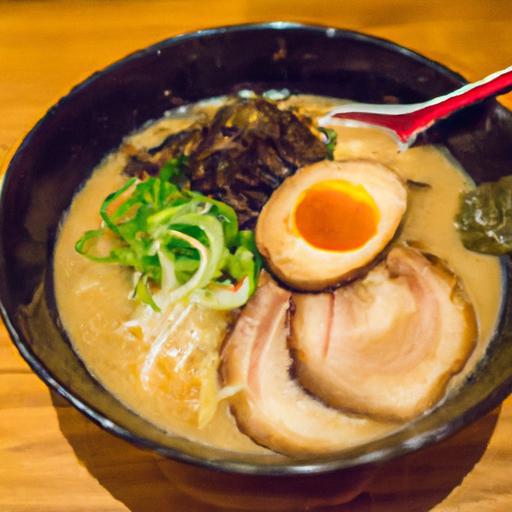
In the steamy embrace of a humble bowl, Japanese ramen carries tales far beyond its savory broth and springy noodles. More than just a meal, it is a ritual-a delicate dance of flavors, textures, and customs that invites both the palate and mind to savor every slurp. This age-old tradition, rooted in centuries of culinary evolution and cultural exchange, transforms eating into an art form where the sound of slurping is not just accepted but celebrated. Join us as we dive into the world of ramen, uncovering the essence behind each satisfying sip and exploring how this iconic dish continues to slurp its way into hearts worldwide.
Slurping Tradition: The Art and Essence of Japanese Ramen brings alive not just a bowl of satisfying noodles but an immersive cultural experience that celebrates the joy of eating. The ritual of slurping is more than a quirky habit-it’s an essential part of savoring ramen’s intricate flavors, blending respect for the dish with sensory enjoyment. As you indulge in this beloved Japanese comfort food, mastering the perfect slurp elevates each bite, enhancing aroma and taste while showing recognition to the chef’s craftsmanship.
Prep and Cook Time
- Preparation Time: 20 minutes
- Cooking Time: 40 minutes
- Total Time: 1 hour
Yield
- Serves 4 generous bowls
difficulty Level
- Medium – Ideal for home cooks ready to explore authentic ramen making
Ingredients
- 4 cups chicken broth, preferably homemade or low sodium
- 2 cups dashi stock (store-bought or kombu-bonito infused)
- 1 lb fresh ramen noodles
- 2 tbsp soy sauce, dark or regular
- 1 tbsp mirin
- 1 tsp sesame oil
- 2 cloves garlic, finely minced
- 1-inch piece ginger, thinly sliced
- 4 soft-boiled eggs, halved
- 150g chashu pork, sliced thin
- 1 cup menma (fermented bamboo shoots)
- 3 scallions, chopped
- 1 sheet nori, cut into quarters
- Toasted sesame seeds, for garnish
- Fresh bean sprouts, optional for texture
Instructions
- Prepare the broth: In a large pot, combine chicken broth and dashi. Over medium heat, add ginger and garlic, letting the mixture simmer gently for 25 minutes to deepen the flavor.
- season: Stir in the soy sauce, mirin, and sesame oil. Keep the broth warm on very low heat while you prepare the noodles and toppings.
- Cook the noodles: Boil a separate pot of water. Add ramen noodles and cook for 2-3 minutes until tender but still springy.Drain and rinse quickly under cold water to stop cooking, then divide into warmed bowls.
- Assemble: Pour hot broth over the noodles, ensuring each bowl is filled generously.
- Add toppings: Arrange chashu pork slices, soft-boiled eggs, menma, scallions, and bean sprouts with care. Place nori sheets standing upright against the bowl edge for visual texture.
- Final touch: Sprinkle with toasted sesame seeds and offer extra chili oil or rayu on the side for those who crave spice.
Tips for Success
- Broth depth: Use quality broth as the soul of your ramen; simmer gently to avoid bitterness from garlic or ginger overcooking.
- Noodle selection: Fresh ramen noodles provide superior texture, but dried is acceptable-just watch cooking times closely to avoid mushiness.
- Egg timing: For perfect soft-boiled eggs, boil for exactly 7 minutes, then plunge into ice water immediately to halt cooking.
- Slurping technique: Slurping isn’t just etiquette-it aerates the broth and cools noodles, enhancing flavor release and making every mouthful exciting.
- Make-ahead: Prepare broth up to 3 days in advance and refrigerate; reheat gently before serving to maintain clarity and depth.
Serving Suggestions
- Serve ramen in deep, wide bowls with curved lips that accommodate the slurp perfectly.
- Pair with conventional Japanese pickles (tsukemono) or a side of steamed gyoza for a complete experience.
- Encourage guests to pick up noodles with chopsticks and slurp enthusiastically-it’s a sign of appreciation!
- Use vibrant garnishes like thinly sliced scallions and nori seaweed to create contrast and texture that makes the bowl visually inviting.
| Nutrient | Per Serving |
|---|---|
| Calories | 520 kcal |
| Protein | 35 g |
| Carbohydrates | 55 g |
| Fat | 18 g |

Exploring the regional ramen varieties reveals how each part of Japan has transformed this dish with unique broths and toppings, from the rich tonkotsu of Kyushu to the soy-infused ramen of Tokyo. for deeper insights into Japanese food culture, visit Japanese Cooking 101.
Q&A
Q&A: Slurping Tradition: The Art and Essence of Japanese Ramen
Q1: Why is slurping ramen considered polite in Japanese culture?
A1: In Japan, slurping is more than just a sound-it’s a sign of appreciation. By slurping, you’re not only cooling down the hot noodles but also signaling to the chef that you’re enjoying the meal. This audible enthusiasm connects the diner and the creator, celebrating ramen as a shared experience rather than just sustenance.Q2: What makes Japanese ramen more than just a noodle soup?
A2: Japanese ramen is a culinary symphony-each bowl harmonizes broth, noodles, toppings, and texture. From the rich, slow-simmered tonkotsu broth to the firm, springy noodles, every element is carefully crafted. It’s a dish rooted in history but open to endless creativity, reflecting regional flavors and seasonal ingredients.
Q3: How does slurping affect the flavor experience?
A3: slurping aerates the noodles and broth, enhancing the aroma and flavor. The sound and action encourage you to take in more broth with every bite, heightening the sensory engagement. Essentially, slurping amplifies the meal’s richness, allowing you to taste the delicate balance of umami in each mouthful.
Q4: Are there regional differences in ramen that influence how it’s enjoyed?
A4: Absolutely! Ramen is as diverse as Japan’s landscape. For example, Sapporo’s miso ramen often invites hearty slurps to warm the cold northern air, while Hakata’s thin noodles and creamy pork broth encourage rapid, satisfying slurping. Each region’s style not only impacts flavor but also the rhythm and etiquette of eating.Q5: Can ramen slurping be adapted for non-Japanese diners?
A5: Definitely! While it may feel awkward at first, embracing the slurp opens a playful cultural doorway. Think of it as a joyful soundtrack to your meal that deepens enjoyment. Whether you’re savoring ramen in Tokyo or your local ramen shop, slurping bridges cultures and honors tradition-no chopstick diploma required.
Q6: How did slurping become associated with ramen eating in the first place?
A6: The roots of slurping trace back to Japan’s Edo period, where noodles were often eaten quickly to maintain optimal temperature and texture. Over time, the sound became culturally embedded as a compliment to the chef. This practical habit blossomed into a beloved custom symbolizing respect, enthusiasm, and connection-all key to the ramen ritual.
Through slurping, ramen eaters tap into a centuries-old tradition filled with appreciation, culture, and sensory delight. So next time you lift that steaming bowl, don’t just eat-slurp with spirit and savor the heart of Japanese ramen.
Concluding Remarks
As the last drop of savory broth meets the bottom of your bowl, the ritual of ramen leaves a lingering warmth-not just in your stomach, but in your appreciation for a culture where every slurp tells a story. from the meticulous crafting of noodles to the symphony of flavors in the broth, the art of Japanese ramen transcends mere sustenance; it is a party of tradition, community, and passion. So next time you lift your chopsticks and embrace the satisfying slurp, remember that you’re partaking in a timeless dance – one that honors the essence of Japan’s culinary heritage in every comforting bite.