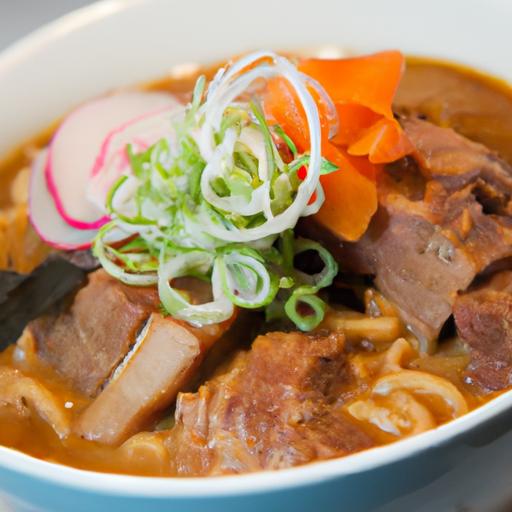

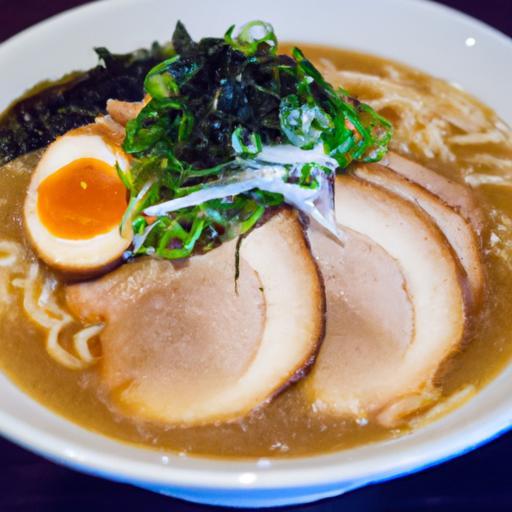
In the steamy embrace of a bowl brimming with rich broth,tender noodles,and vibrant toppings,a rhythmic slurp is more than just a way to eat-it’s a window into centuries of Japanese tradition and culinary artistry. Welcome to the world of ramen, where every satisfying slurp tells a story steeped in culture, technique, and social nuance.From bustling street stalls to serene noodle shops, the act of slurping is both an art form and a cultural signifier, transforming a simple meal into a sensory experience that connects people to history, community, and the heart of Japan itself. In this article, we’ll dive deep into the secrets behind that iconic sound and savor the rich tapestry of flavors and customs that make ramen not just a dish, but a cultural phenomenon.
Slurping secrets unlock more than just flavor; it reveals the soul of Japanese ramen. this humble action is an art form-integral to embracing the vibrant textures, aromatic broth, and nuanced layers baked into every bowl.Rooted in centuries of culinary tradition, mastering the perfect ramen slurp elevates your experience beyond eating, transforming it into a multisensory journey where each breath and sound echoes the heart of Japan’s rich food culture.
Prep and Cook Time
- Preparation: 20 minutes
- Cooking: 45 minutes
- Total Time: 1 hour 5 minutes
Yield
Serves 4 generous bowls
Difficulty Level
Medium – ideal for excited home cooks ready to dive into authentic ramen artistry
ingredients
- 4 cups chicken or pork broth (preferably homemade or high-quality store-bought)
- 2 packs fresh ramen noodles (or 200g dried if unavailable)
- 2 tbsp soy sauce (preferably tamari for richer umami)
- 1 tbsp mirin (sweet rice wine)
- 1 tbsp sesame oil
- 2 cloves garlic,minced
- 1-inch piece ginger,grated
- 4 soft-boiled eggs (6-minutes,peeled)
- 100g sliced chashu pork (or substitute with roasted chicken thighs)
- 1 cup green onions,thinly sliced
- ½ cup bamboo shoots,rinsed
- Nori sheets for garnish
- fresh bean sprouts (optional,for crunch)
- Shichimi togarashi (Japanese seven spice,optional for heat)
Instructions
- Prepare the broth: In a large pot,heat the sesame oil over medium heat. Add minced garlic and grated ginger, sautéing until fragrant-about 2 minutes. Avoid browning to keep the broth delicate.
- Add broth and seasonings: Pour in the chicken or pork broth, then stir in soy sauce and mirin. Bring to a gentle simmer, allowing the flavors to meld for 15-20 minutes.
- Cook the noodles: While simmering the broth, boil a separate pot of water. Cook ramen noodles according to package instructions (usually 2-3 minutes for fresh). Drain and rinse briefly under cold water to stop cooking, then set aside.
- Prepare toppings: Warm chashu pork slices gently in a pan or the warm broth. Peel and halve soft-boiled eggs. Slice green onions and rinse bamboo shoots.
- Assemble the bowl: Divide noodles into four deep bowls. Ladle hot broth evenly. Place pork slices,halved eggs,bamboo shoots,and bean sprouts artistically atop. Garnish with nori sheets and shower with fresh green onions.
- Final flourish: Add a sprinkle of shichimi togarashi if desired for spice.
- Master the slurp: To savor every layer, lift the noodles with chopsticks and bring them close to your mouth.Draw in air while slurping-this aerates each bite and carries the broth aroma skyward. the sound is a cultural expression of enjoyment; embrace it boldly.
Tips for Success
- Broth base: For a richer broth,simmer pork bones overnight or experiment with dashi stock for umami depth from seaweed and bonito flakes.
- Noodle choice: Fresh noodles offer ideal texture, but good-quality dried noodles work well too-just adjust cooking times to avoid sogginess.
- soft-boiled eggs: Use a timer and cold ice bath immediately to ensure creamy yolks and easy peeling.
- Slurping etiquette: In Japan, slurping signals recognition. At home, it releases aromatic steam and cools hot noodles, enhancing flavor perception.
- Make-ahead: Broth can be prepared a day in advance and kept refrigerated, flavors intensify overnight.
Serving Suggestions
Serve ramen piping hot in deep ceramic bowls to retain heat. Add a small dipping dish of soy or chili oil on the side for those who love an extra kick. Present with a pair of bamboo chopsticks and a wide soup spoon. Encourage your guests to slurp boldly-the aromatic steam rising with each taste captures the essence of this beloved Japanese ritual. garnish with fresh cilantro or thinly sliced chili for visual contrast and a punch of freshness.

| Nutrition per Serving | Amount |
|---|---|
| Calories | 480 kcal |
| Protein | 28 g |
| Carbohydrates | 52 g |
| Fat | 15 g |
For additional insights on mastering traditional ramen broths and noodles, check out our comprehensive ramen broth guide. To delve deeper into Japanese culinary culture, visit the Japan Guide on Food Culture.
Q&A
Q&A: Slurping Secrets – The Art and culture of Japanese Ramen
Q1: Why do people slurp their ramen in Japan? Isn’t it considered rude to make noise while eating?
A1: In Japan, slurping ramen is more than just acceptable-it’s encouraged! The practice serves a few delightful purposes: it cools down the hot noodles, enhances the flavor by aerating the broth, and shows appreciation to the chef. Unlike in many cultures where eating noisily is impolite, slurping ramen is a way to engage fully with the meal and honor the craftsmanship behind each bowl.Q2: what’s the importance of ramen in Japanese culture?
A2: Ramen is a culinary icon-more than just noodles in broth, it’s a symbol of comfort, innovation, and regional pride. Each region in Japan boasts its own unique style, from the rich miso ramen of Hokkaido to the delicate shio ramen of hakodate. Beyond food, ramen has become a cultural phenomenon inspiring festivals, manga, and even ramen museums. It’s a communal experience that unites people over steaming bowls of goodness.
Q3: How does one truly savor a bowl of ramen? Are there any etiquette tips?
A3: To truly savor ramen, embrace the slurp! Start by inhaling the aroma of the broth, then lean in and slurp the noodles that awaken the senses with every bite. Use your chopsticks to pick up a manageable portion, and don’t hesitate to sip the broth between mouthfuls. It’s also customary to finish your bowl wholly-leaving soup behind is often considered wasteful. Most importantly, eat with enthusiasm; your joy is a compliment to the chef.Q4: What are some “secret” ingredients or techniques that make Japanese ramen so special?
A4: The magic lies in the broth and noodles. Broths frequently enough simmer for hours, sometimes days, extracting deep umami from pork bones, chicken, seafood, or vegetables. Ramen chefs are like alchemists, balancing saltiness, sweetness, and fat with finesse. Noodles are crafted with precision-texture matters as much as taste. Some artisans even adjust noodle thickness or firmness to harmonize perfectly with their signature broth, creating a bowl that sings in harmony.
Q5: Can ramen be considered an art form?
A5: Absolutely! Ramen is edible artistry. Beyond taste, presentation plays a role-the careful arrangement of toppings like chashu pork, nori, scallions, and soft-boiled eggs reflects a chef’s dedication. The subtle choreography of colors, textures, and flavors tells a story. In many ramen shops, recipes are closely guarded secrets passed down generations, underscoring ramen’s status as a cultural masterpiece crafted with love and precision.
Q6: How has ramen culture evolved outside Japan?
A6: Ramen has taken the world by storm, inspiring countless adaptations and innovations. international chefs experiment with global flavors-think spicy miso with kimchi or vegan ramen with plant-based broth. Yet, traditional Japanese ramen remains a gold standard, with specialty shops abroad importing authentic noodles and techniques. The global interest with ramen reflects a universal appreciation for comfort food that connects tradition with creativity.
Embrace your next bowl with these slurping secrets in mind, and you’ll find ramen is far more than a meal-it’s a cultural voyage, a sensory delight, and a party of Japan’s culinary soul.
Key Takeaways
As the final steam rises from your bowl and the last flavorful drops are savored,remember that slurping ramen is more than just a way to enjoy noodles-it’s a vibrant expression of Japanese culture,tradition,and community. Each slurp connects you to centuries of culinary artistry, where sound meets savor in a delicious symphony. So next time you find yourself with chopsticks in hand and a steaming bowl before you, embrace the slurp with confidence. after all, in the world of ramen, it’s not just eating-it’s an artful experience that celebrates life, warmth, and the joyful dance of flavors.