
In the heart of Italian cuisine lies a dessert as smooth and enchanting as a Tuscan sunset-Panna Cotta. Often called Italy’s silky delight, this creamy custard has captivated taste buds far beyond its Piedmont roots, offering a luscious balance of simplicity and elegance. but what truly makes Panna Cotta an art form is not just its velvety texture or subtle sweetness; it’s the delicate dance of technique and tradition that transforms humble cream into a sublime indulgence. Join us as we unravel the story behind this beloved treat, exploring the secrets that give Panna Cotta its signature silkiness and the cultural richness that elevates it from a mere dessert to a creamy masterpiece.
The Origins and Cultural Significance of Panna Cotta
Silky panna cotta is more than a luscious dessert; it embodies a delicate balance between simplicity and sophistication deeply rooted in northern Italy’s culinary heritage. Tracing its origins to the Piedmont region, panna cotta translates literally to “cooked cream,” a humble phrase for a custard-like delight that has captivated hearts worldwide. Traditionally, it was a peasant dish, made from readily available cream, sugar, and gelatin, crafted during the colder months when fresh fruit was sparse. Over generations,this creamy masterpiece transformed from a simple kitchen staple to a cherished emblem of Italian elegance.
The cultural significance of panna cotta extends beyond its ingredients; it celebrates the Italian ethos of minimalism paired with quality. This dessert epitomizes la cucina povera, where with just a few premium components-cream, sugar, and gelatin-you create something truly sublime. For Italians, serving panna cotta is an act of hospitality, a gentle invitation to savor life’s quiet luxuries.
Mastering the Perfect Texture: Key Ingredients and Techniques
Achieving the signature Silky Panna cotta texture means understanding the precise dance between ingredients and technique. The hallmark is a smooth, delicate wobble that melts effortlessly on your tongue. This is primarily dictated by the balance of cream, gelatin, and the method of combining them.
Using high-quality heavy cream is essential for that rich mouthfeel, while incorporating a small proportion of whole milk lightens the custard without sacrificing silkiness. Preparing gelatin carefully-blooming sheets or powdered gelatin in cold water-and completely dissolving it into warm cream prevents gritty clumps and ensures an even set. Stirring gently yet thoroughly while cooling helps avoid any air bubbles, maintaining that pristine, glossy surface.
Another expert secret lies in avoiding overcooking. Heat the cream mixture just until the sugar and gelatin dissolve-usually under 85°C (185°F)-to preserve the luscious texture and prevent curdling. chilling panna cotta slowly in serving vessels allows it to firm up just enough to hold shape while remaining luxuriously tender.
Flavor Innovations That Elevate Tradition
While the classic Silky Panna Cotta relies on vanilla-infused cream,playful variations invite exciting flavor journeys. Infusions like lavender or rosemary create a subtle herbaceous note perfect for spring and summer gatherings. Citrus zest-lemon, orange, even bergamot-adds a bright, refreshing counterpoint to the richness.
For a modern twist, consider incorporating exotic ingredients: matcha green tea imparts a vibrant color and earthy bitterness; rosewater introduces a delicate floral essence; or a splash of espresso creates a rich, mocha-inspired panna cotta. Layering with fruit coulis, caramel, or spiced chocolate sauce further enhances complexity while maintaining silky integrity.
Expert Tips for Presentation and Pairing
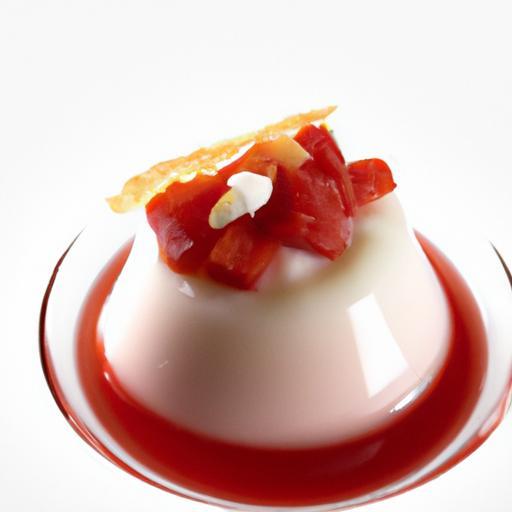
Presentation transforms panna cotta from simple dessert to visual feast. Use clear glasses or minimalist white ramekins to showcase its pristine texture and gentle jiggle. Garnish with fresh berries, edible flowers, or a thin shard of caramelized sugar for height and contrast. A fine dusting of cocoa powder or a sprig of mint completes the look with instant elegance.
In pairing, balance panna cotta’s creaminess with acidic or textural contrasts. A tart berry compote, zesty citrus salad, or crunchy nut brittle elevates each spoonful. For wine, a sweet Moscato d’Asti or late-harvest Riesling complements the creamy sweet while cleansing the palate.
Prep and Cook Time
- Preparation: 10 minutes
- Cooking: 10 minutes
- Chilling: 4 hours minimum
Yield
Serves 6 elegantly portioned panna cotta cups.
Difficulty Level
Easy – Perfect for beginner and intermediate cooks alike
Ingredients
- 2 cups heavy cream (preferably fresh and full-fat)
- 1 cup whole milk
- ⅔ cup granulated sugar
- 2 ½ tsp powdered gelatin (or 4 gelatin sheets)
- 1 vanilla bean or 2 tsp pure vanilla extract
- Pinch of fine sea salt
- Optional: fresh berries, mint leaves, or fruit coulis for garnish
Instructions
- Bloom the gelatin: Sprinkle powdered gelatin over ¼ cup cold milk and let it sit for 5-7 minutes until softened.
- Prepare vanilla-infused cream: Split the vanilla bean lengthwise and scrape seeds into a saucepan with cream, remaining milk, sugar, and salt. Warm gently over medium heat until sugar dissolves and mixture is steaming (do not boil).
- Dissolve gelatin: Remove the vanilla bean pod, then stir the bloomed gelatin into the warm cream until fully melted and smooth.
- Cool mixture slightly: Allow to cool to room temperature but not set; stir occasionally to prevent skin forming.
- Pour and chill: Divide mixture into individual ramekins or glasses. Refrigerate uncovered for 4 hours or until completely set and gently wobbly.
- Serve: Garnish with fresh fruit, edible flowers, or sauce just before serving for vibrant contrast.
Chef’s Notes
- For gelatin sheet use, soak sheets in cold water for 5 minutes, squeeze out excess, then stir into warmed cream.
- Substitute vanilla bean with high-quality extract if unavailable, but whole bean yields more authentic flavor.
- To easily unmold panna cotta, dip the ramekins briefly in warm water and invert onto serving plates.
- Make-ahead: Can be prepared up to 2 days in advance; cover tightly with plastic wrap after setting.
- For dairy-free variation,try substituting cream and milk with coconut cream-but expect a slightly different texture and flavor.
Serving Suggestions
Place silky panna cotta in individual clear glasses to showcase its delicate wobble and creamy sheen. Drizzle with a vibrant red berry coulis or a golden caramel sauce for contrast.Fresh raspberries, blueberries, or sliced stone fruits add a refreshing pop of color and texture.A sprig of mint or edible violet petals completes an elegant presentation that elevates any dinner table.
| nutrient | Per Serving |
|---|---|
| Calories | 280 kcal |
| Protein | 4 g |
| Carbohydrates | 22 g |
| Fat | 18 g |

For a deeper dive into classic Italian desserts and their origins, check out our Guide to Traditional Italian Desserts. To explore the science behind gelatin’s gelling properties, this ScienceDaily article on gelatin offers captivating insights.
Q&A
Q&A: Silky Panna Cotta – the Art of Italy’s Creamy Delight
Q1: What exactly is panna cotta, and where did it originate?
A1: Panna cotta, literally meaning “cooked cream” in italian, is a luscious dessert hailing from the Piedmont region of Northern Italy. It’s a silky, creamy custard made by gently simmering cream, sugar, and gelatin, then chilling it until it sets into a smooth, melt-in-your-mouth delight. Its understated elegance and simplicity have made it a beloved classic both in Italy and around the world.
Q2: What makes panna cotta different from other creamy desserts like custards or mousse?
A2: Unlike custards that rely on eggs for thickening or mousse that incorporates whipped cream or egg whites for airiness, panna cotta’s magic lies in gelatin. This ingredient creates a delicate, wobbly texture that’s firmer than custard but still soft enough to dissolve luxuriously on your tongue. It’s a minimalist masterpiece-just cream,sugar,gelatin,and frequently enough a hint of vanilla.
Q3: What is the secret to achieving that signature silky texture?
A3: The silky texture is all about balance and technique. Use heavy cream for richness, but don’t overheat it-too much boiling can toughen the gelatin and curdle the cream. Bloom your gelatin properly by soaking it in cold water before gently melting it into warm cream. avoid stirring vigorously; gentle folding preserves that velvety finish. Patience during chilling is key to allow the panna cotta to set perfectly.
Q4: Can panna cotta be customized with different flavors?
A4: Absolutely! While vanilla is the classic muse, panna cotta is a versatile canvas. Infuse the cream with aromatic ingredients like coffee, lavender, citrus zest, or even exotic spices such as cardamom. For a fruity twist, layer or top it with fresh berries, passion fruit coulis, or a drizzle of sweet caramel or chocolate. the possibilities are as endless as your imagination!
Q5: How is panna cotta traditionally served in Italy?
A5: In Italy, panna cotta is usually served chilled, unmolded onto a plate to showcase its graceful jiggle and creamy sheen. It’s frequently enough accompanied by a simple fruit compote, berry coulis, or a sprinkle of toasted nuts for texture contrast. Presentation is elegant but understated, embodying the Italian culinary spirit of letting quality ingredients speak for themselves.
Q6: is panna cotta difficult to make at home?
A6: Surprisingly, no! Panna cotta is one of those gourmet desserts that feel fancy but are quite approachable for home cooks. Just keep an eye on the temperature and give it enough time to set in the fridge-typically 4 hours or overnight. Once you’ve mastered the basic recipe, you can experiment confidently with flavors and toppings to create your own signature silky delight.
Q7: What wine pairs well with panna cotta?
A7: Pairing wine with panna cotta is about complementing its creamy richness with light acidity or sweetness. A Moscato d’Asti, with its gentle bubbles and floral notes, dances beautifully alongside the dessert’s delicate sweetness. Alternatively, a chilled late-harvest Riesling or a light, fruity Prosecco can also elevate the experience, turning every bite into a party.
Q8: Why does panna cotta remain such a timeless dessert?
A8: Panna cotta’s timeless charm lies in its simplicity and elegance-a perfect balance of creaminess and subtle sweetness that delights the senses without overwhelming them. It embodies the Italian ethos of savoring high-quality ingredients with refined restraint.Its adaptability to flavors and ease of preparation ensure that panna cotta continues to enchant palates around the globe, one silky spoonful at a time.
in Conclusion
In the delicate dance of texture and flavor, silky panna cotta stands as a timeless ambassador of Italy’s culinary elegance. From its simple yet luscious ingredients to the patient craft that transforms cream into a creamy cloud, this dessert tells a story of tradition, artistry, and indulgence. whether savored in a sunlit trattoria or recreated in your own kitchen,panna cotta invites you to experience the subtle sophistication of Italy’s sweetest secrets-one spoonful at a time. As you explore this creamy delight, remember: in the world of desserts, sometimes the simplest pleasures leave the most lasting impression.