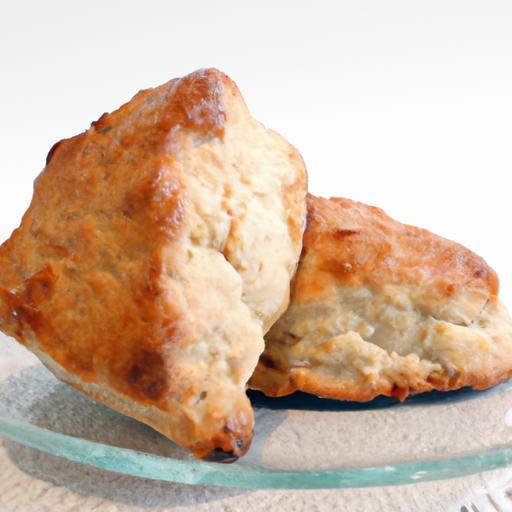

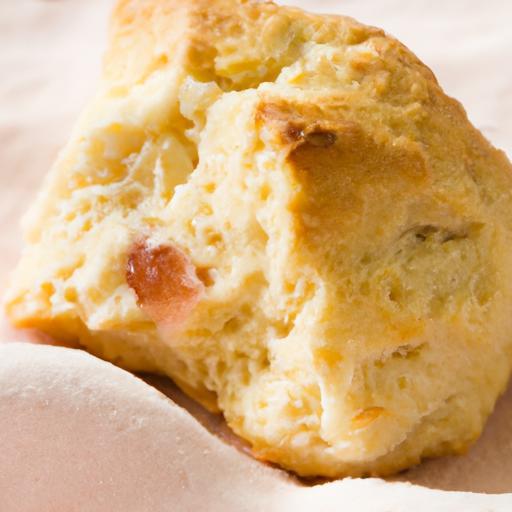
There’s somthing undeniably enchanting about the humble scone-a golden, crumbly delight that has journeyed through centuries, cultures, and kitchens to become a beloved staple of teatime and beyond. From its rustic origins in the British Isles to its myriad modern variations, the scone tells a story of tradition, craftsmanship, and simple pleasures. In this article, we embark on a delicious journey through the history, techniques, and tastes that make savoring scones an experience both timeless and ever-evolving. Whether you prefer them sweet or savory, classic or inventive, join us as we explore the rich tapestry behind every perfect bite.
Savoring scones draws us into a rich tapestry of culinary history, where the humble scone has evolved from a simple Scottish staple into an internationally adored treat. Originating in the 16th century on the English-scottish border, scones were once rustic, unleavened flatbreads baked on griddles.today, these tender, crumbly delights come in a dazzling array of regional varieties and flavors, delighting palates from Devon to New York City. Whether enjoyed with cream and jam or infused with novel ingredients, scones embody both tradition and innovation-making each bite a delicious journey through time and taste.
Prep and Cook Time
- readiness: 15 minutes
- resting time (optional): 20 minutes
- Baking: 12-15 minutes
- Total Time: Approximately 30-35 minutes
Yield
Makes 8 medium-sized scones
Difficulty Level
Easy to Medium – perfect for bakers wanting a reliable, extraordinary result
Ingredients
- 2 cups all-purpose flour, sifted
- 1/4 cup granulated sugar
- 1 tablespoon baking powder
- 1/2 teaspoon fine salt
- 6 tablespoons cold unsalted butter, cut into small cubes
- 3/4 cup whole milk, cold
- 1 large egg, beaten (for glaze)
- Optional: 1/2 cup dried currants, blueberries, or chopped fresh herbs such as rosemary or thyme
Instructions
- Preheat the oven to 425°F (220°C). Line a baking sheet with parchment paper.
- Combine dry ingredients: In a large bowl, whisk together the sifted flour, sugar, baking powder, and salt until evenly mixed.
- Cut in the butter: Using a pastry cutter or your fingertips,quickly rub the cold butter into the flour mixture until it resembles coarse crumbs with pea-sized pieces.
- Add milk: Pour the cold milk into the mixture, stirring gently with a fork or spatula just until the dough starts to come together. Do not overmix to preserve a tender crumb.
- Add flavors: If using dried fruit or herbs,fold them in gently now.
- Shape the dough: Turn the dough out onto a lightly floured surface. Gently pat or roll into a circle approximately 1 inch thick.
- Cut into wedges: Using a sharp knife or a bench scraper, divide the circle into 8 equal wedges. Transfer wedges to the baking sheet with minimal handling.
- Brush with egg wash: lightly brush the tops with the beaten egg to create a glossy, golden finish.
- Bake for 12-15 minutes, or until the scones are risen and golden brown on top.
- Cool slightly: Transfer to a wire rack and allow to cool for 5 minutes before serving to enhance texture and flavor.
Tips for Success
- Keep everything cold: Cold butter and milk are crucial for creating layers that yield a flaky, tender crumb.
- Handle dough gently: Overworking develops gluten, leading to tough scones.
- Rest the dough: Allowing the dough to rest in the fridge for 15-20 minutes can give a more tender crumb and easier handling.
- Experiment with flavors: Try adding orange zest, lavender, cheddar cheese, or even crumbled bacon for unique variations.
- Storage: Scones are best eaten fresh but can be kept in an airtight container for 2 days or frozen for up to 1 month. Reheat gently in a warm oven to restore freshness.
Serving Suggestions
Scones come alive when paired thoughtfully. For a classic British experience, serve warm scones with clotted cream and strawberry jam alongside a robust cup of English breakfast tea. Alternatively, lemon curd or whipped honey butter elevate scones for an afternoon tea event. Herbal teas like chamomile or Earl gray with bergamot notes interplay beautifully with fruity or herb-infused scones. garnish plates with fresh berries and a sprig of mint for a visual and sensory feast.
| Nutrient | Per Scone |
|---|---|
| Calories | 210 |
| Protein | 4g |
| Carbohydrates | 28g |
| Fat | 9g |

For more on pairing the perfect brew with your baked goods, check out our guide to tea and scone pairings. embrace the art of savoring scones-each batch offers an chance to indulge in time-honored tradition with your own creative twist.
Q&A
Q&A: Savoring Scones – A Delicious Journey Through Tradition and Taste
Q1: What exactly is a scone, and how did it become a beloved treat?
A1: A scone is a lightly sweetened, biscuit-like baked good originating from the British Isles, often enjoyed with clotted cream and jam. Its roots trace back to Scotland, where the original scones were made from oats and griddle-cooked on stones-so the name possibly deriving from the Old Norse word “skju00e1rr,” meaning a flat stone. Over centuries, scones evolved into soft, fluffy delights symbolizing comfort and tradition, especially in afternoon teas.
Q2: How does the traditional scone differ from modern variations?
A2: Traditional scones embrace simplicity: flour, baking powder, butter, sugar, milk, and sometimes currants or raisins. They are mildly sweet and tender, designed to pair perfectly with spreads. Modern interpretations, though, venture boldly-infused with savory cheeses, herbs, or studded with inventive mix-ins like chocolate chips, lemon zest, or cranberries. This fusion widens the scone’s range from a purely classic indulgence to a versatile culinary canvas.
Q3: Why is the pairing of scones with clotted cream and jam so iconic?
A3: The combination is a harmony of texture and flavor-fluffy, crumbly scone meets the rich, velvety clotted cream, crowned with the bright, fruity sweetness of jam. This trio creates a layered experience, inviting your palate on a journey through tradition.The ritual of slathering clotted cream and dolloping jam also enriches the social ambiance surrounding afternoon tea,making each bite both cultural and comforting.Q4: Can you describe the cultural significance of scones in British tea-time traditions?
A4: In Britain, scones are more than food-they are a symbol of hospitality, elegance, and slow-living. The quintessential “cream tea” ritual, particularly popular in Devon and cornwall, elevates scones to a daily ceremony where conversation flows alongside cups of steaming tea. This practice reflects values of community, leisure, and savoring the moment-a heartfelt contrast to today’s fast-paced world.
Q5: What tips can home bakers use to achieve the perfect scone?
A5: To bake scones that sing with tenderness and crumb, start with cold butter-this ensures flaky layers. Handle the dough lightly; overmixing activates gluten, creating toughness. Use fresh baking powder for optimal rise,and don’t skip chilling the dough if time permits. Bake until golden, then cool briefly before slicing to preserve that delicate crumb.savor them warm for the ultimate taste experience.
Q6: How do scones reflect changing tastes while honoring heritage?
A6: Scones embody a delicious paradox-rooted in centuries-old recipes yet endlessly adaptable. Chefs and home cooks infuse them with global flavors like matcha, cardamom, or sun-dried tomatoes, showcasing culinary creativity without discarding tradition. This blend of respect and reinvention keeps scones relevant, inviting new generations to embark on their own flavorful journeys through history.
Closing Remarks
As we close the chapter on our delicious journey through the world of scones, it’s clear that these humble baked delights carry more than just flavor-they carry a rich heritage steeped in tradition and warmth. Whether enjoyed with a slather of clotted cream in a quaint English tearoom or paired with tangy jam on a brisk morning, scones offer a timeless experience that bridges history and taste. So next time you savor that crumbly, buttery bite, remember you’re partaking in a story centuries in the making-one that continues to bring comfort and joy to tables around the world.