
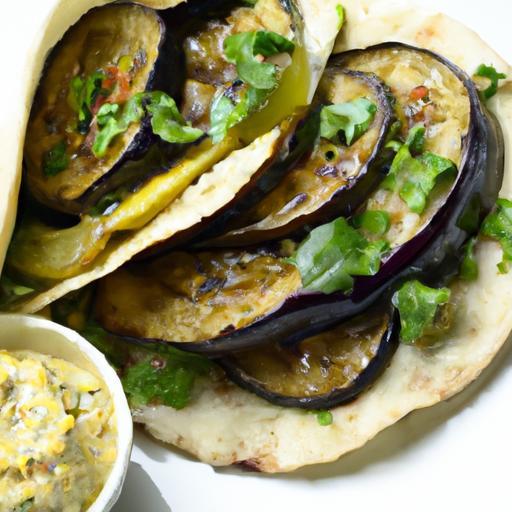
In teh vibrant tapestry of Israeli cuisine, few dishes capture the heart and soul of the culture quite like sabich.This humble yet flavorful sandwich, brimming with layers of tender eggplant, hard-boiled eggs, and a symphony of fresh, tangy, and spicy accompaniments, tells a story of tradition, migration, and culinary creativity. “Sabich Unwrapped: Israel’s Flavorful Eggplant Delight” invites you on a journey beyond the pita pocket, exploring the origins, ingredients, and the irresistible charm that has made sabich a beloved staple on the streets of Tel Aviv and beyond.Prepare to unwrap the secrets of this iconic dish and discover why it’s more than just a meal-it’s a flavorful celebration of Israeli heritage.
The Origins and Cultural Meaning of Sabich in Israeli Cuisine
Sabich Unwrapped reveals a story rich with cultural depth and flavor.Originating from the Iraqi Jewish community, this beloved Israeli street food became a cherished staple after its introduction to Israel in the mid-20th century. Sabich was traditionally consumed as a quick, satisfying breakfast on Shabbat mornings, symbolizing comfort and familial gathering.Over the decades, it transformed into a culinary icon blending Middle eastern heritage with modern israeli vibrancy.
More than just a sandwich, Sabich tells the tale of migration, resilience, and tasty innovation. The dish’s combination of fried eggplant, hard-boiled eggs, and an array of fresh, tangy accompaniments encapsulates a perfect balance of texture and taste that speaks to the diverse Israeli palate.
The Art of Preparing the Perfect Eggplant for Sabich
Mastering the eggplant is key to an unforgettable Sabich experience. the focus is on achieving a tender interior with a golden, slightly crisp exterior that holds up against the layers of other ingredients. Start by choosing firm, medium-sized eggplants with smooth skin for the best texture.
Salt and sweat the eggplant slices to draw out bitterness and excess moisture-this step ensures rich flavor and prevents sogginess. After rinsing and patting dry, pan-fry or shallow-fry the slices until beautifully caramelized. For an even lighter version, roasting the eggplant with a little olive oil intensifies its natural sweetness while keeping it tender.
Pro tip: Don’t overcrowd your pan-this helps each slice brown evenly, creating layers of flavor that make sabich truly special.
Flavor Profile and Key Ingredients That Make Sabich Unique
The allure of Sabich lies in its symphony of flavors-a harmonious blend that surprises and delights every bite. The smoky, meaty texture of fried eggplant pairs perfectly with the creamy richness of sliced hard-boiled eggs. Fresh, crisp cucumbers and juicy tomatoes bring brightness, while the tangy amba (mango pickle sauce) offers a vibrant, slightly sour kick that awakens the palate.
complementing these are silky tahini sauce, zesty chopped parsley, and a sprinkle of minced garlic. Each element plays a vital role,creating a multi-dimensional taste that balances earthiness,acidity,and spice with freshness. The conventional Iraqi pita bread, soft yet sturdy, envelopes these treasures and pulls everything together.
Tips for Crafting an Authentic Sabich Experience at Home
Recreating Sabich Unwrapped at home is an adventure worth embracing. To elevate your Sabich, invest time in quality ingredients-organic vegetables, fresh eggs, and authentic amba if possible. If you can’t find amba locally, a homemade mango pickle chutney with turmeric and cumin is a fantastic substitute.
Don’t rush the eggplant preparation; treating it with care will reward you with rich flavor and perfect texture. Toasting pita briefly before assembling adds a welcome warmth and slight crunch that enhances the overall mouthfeel.
To cater to varied tastes, consider offering optional add-ons like zhug (a fiery Yemenite hot sauce) or a dollop of creamy labneh to add extra layers of flavor.
Prep and Cook Time
- Preparation: 20 minutes
- Cook Time: 15 minutes
- Total Time: 35 minutes
Yield
Serves 4 hearty sabich sandwiches
Difficulty Level
Medium – requires patience for eggplant prep and multiple components
Ingredients
- 2 medium eggplants, sliced into 1/2-inch rounds
- 4 large eggs, hard-boiled and peeled
- 4 pita breads, preferably Iraqi-style
- 1 cup tahini sauce
- 1/2 cup amba (mango pickle sauce)
- 1 medium cucumber, diced
- 2 medium tomatoes, diced
- 1 small red onion, finely chopped
- 1/4 cup fresh parsley, chopped
- 2 cloves garlic, minced
- Salt to taste
- Black pepper to taste
- Olive oil for frying and drizzling
Instructions
- Prepare the eggplant: Lay the eggplant slices on a tray and generously salt both sides. Let them sit for 20 minutes to wick out moisture and bitterness. Rinse off the salt and thoroughly pat dry with paper towels.
- Cook the eggplant: Heat a generous 3 tablespoons of olive oil in a large skillet over medium heat. Fry the eggplant slices in batches until golden and soft, about 4-5 minutes per side. Drain excess oil on a paper towel-lined plate.
- Prepare the eggs and vegetables: Slice hard-boiled eggs lengthwise. In a mixing bowl, combine diced cucumber, tomato, onion, parsley, minced garlic, salt, and pepper. Toss lightly for freshness.
- Warm the pita: Lightly toast each pita on a pan or oven until pliable and slightly crisp on the edges.
- Assemble the Sabich: Spread a thin layer of tahini on the pita, then add 2-3 slices of eggplant, half of the boiled egg, and a generous spoonful of the salad mix. Drizzle tahini and amba over top. Fold the pita gently but firmly.
- Serve immediately: Drizzle with extra olive oil if desired and sprinkle chopped parsley for a luminous, fresh finish.
Chef’s Notes
- For a deeper smoky flavor, consider grilling the eggplant slices rather than frying.
- If amba is hard to find, try a mixture of diced mango chutney combined with a pinch of turmeric and cumin to approximate its unique tang.
- Make-ahead tip: Prepare the eggplant and chopped salad a day ahead for easier assembly.
- For vegan Sabich, swap hard-boiled eggs with grilled tofu slices or mashed chickpeas.
- Store leftover tahini sauce in an airtight container in the fridge and stir before use, as it tends to separate.
Serving Suggestions
Present Sabich on a rustic wooden board lined with parchment paper for an inviting street food vibe. Garnish with fresh mint leaves and lemon wedges for added brightness. Pair with a crisp israeli salad or pickled turnips for an authentic experience. A cold glass of freshly squeezed pomegranate juice complements Sabich’s bold flavors beautifully.
| Nutrient | Per Serving |
|---|---|
| Calories | 420 kcal |
| Protein | 15 g |
| Carbohydrates | 40 g |
| Fat | 22 g |

For a deeper dive into Israeli street foods and thier stories, check out our Israeli street Food Guide. To explore the health benefits of eggplants and mediterranean diets, visit Healthline’s Eggplant Nutrition.
Q&A
Q&A: Sabich Unwrapped – Israel’s Flavorful Eggplant Delight
Q1: What exactly is Sabich?
A1: Sabich is a vibrant Israeli street food sandwich that packs a punch with its unique blend of flavors and textures. At its heart, it’s a pita stuffed with crispy fried eggplant, hard-boiled eggs, fresh veggies, tangy pickles, creamy tahini, and zesty amba-a tangy mango pickle sauce that gives Sabich its signature tang. Originating from the Iraqi-Jewish community in Israel, Sabich has become a beloved staple that celebrates tradition and taste.
Q2: Why eggplant? What makes it special in Sabich?
A2: eggplant is the star ingredient that adds a smoky, rich, and slightly creamy texture to Sabich. Fried to golden perfection, the eggplant slices bring a hearty earthiness that contrasts beautifully with the bright crunch of cucumber, the silky eggs, and the sharp zing of amba. Its ability to absorb flavors makes it the perfect canvas for this flavor-packed sandwich.
Q3: What’s the story behind Sabich’s origins?
A3: Sabich traces its roots back to Iraqi Jews, who brought it to Israel during their migration in the 1940s.Traditionally a breakfast dish,it was a quick and filling meal for early risers. Over time, it evolved into a popular street food, symbolizing the fusion of Middle Eastern culinary traditions with Israeli innovation and diversity.
Q4: How does Sabich differ from other popular Israeli sandwiches like falafel or shawarma?
A4: While falafel relies on deep-fried chickpea balls and shawarma features spiced meat, Sabich stands out by spotlighting eggplant and eggs as its main protein sources. Its combination of textures-creamy, crispy, tangy, fresh-offers a uniquely satisfying bite. Plus, the amba sauce lends a distinct sweet-sour complexity that you won’t find in other Israeli street foods.
Q5: Can Sabich be enjoyed by vegetarians or vegans?
A5: Sabich is inherently vegetarian, thanks to its reliance on eggplant and eggs. For vegans, traditional Sabich requires a few tweaks-omitting the hard-boiled eggs and swapping tahini (usually vegan) and amba for vegan-kind versions. The eggplant and pickles remain the delicious foundation, making it an adaptable and wholesome option for many diets.
Q6: What makes amba so vital in Sabich?
A6: Amba is the secret spice-laden elixir that ties all the ingredients in Sabich together. Made from pickled mangoes,turmeric,chili,and fenugreek,amba brings a vibrant tang and subtle heat that cuts through the creaminess of tahini and eggs. Without amba,Sabich loses much of its characteristic zing and authenticity.Q7: How is Sabich best enjoyed?
A7: Sabich is a handheld celebration of flavors best enjoyed fresh and warm, straight from a street vendor or homemade in your kitchen. Whether for breakfast,lunch,or a late-night snack,it pairs perfectly with a side of Israeli salad and a drizzle of extra tahini. Bite by bite, the blend of smoky eggplant, creamy eggs, and zesty sauces makes every mouthful a flavorful adventure.
Q8: Can I make Sabich at home? Any tips?
A8: Absolutely! Making Sabich at home is a rewarding culinary journey. use firm, fresh eggplants sliced evenly and fry or roast them until golden and tender. Prepare your eggs hard-boiled, slice cucumber and tomatoes fresh, and don’t forget to add plenty of amba and tahini. Toast the pita slightly for a little crunch,and assemble with care. The key is balance-letting each component shine while working in harmony.
Sabich is more than a sandwich-it’s a flavorful symbol of cultural fusion, history, and love for bold, fresh ingredients. Whether you’re a curious foodie or a devoted fan, diving into this eggplant delight is a journey worth savoring.
Future Outlook
As we close the chapter on Sabich’s vibrant story, it’s clear this humble eggplant delight is much more than just a street food favorite-it’s a tapestry of culture, history, and flavor all wrapped into one.From its Iraqi-Jewish roots to its beloved status across Israel’s bustling markets, Sabich continues to charm taste buds and tell a tale with every bite. So next time you encounter this iconic sandwich, remember you’re not just savoring a meal-you’re unwrapping a delicious piece of culinary heritage that speaks to the heart of Israeli cuisine.