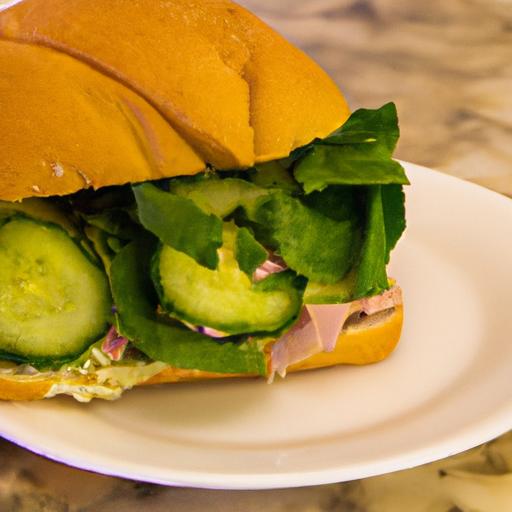

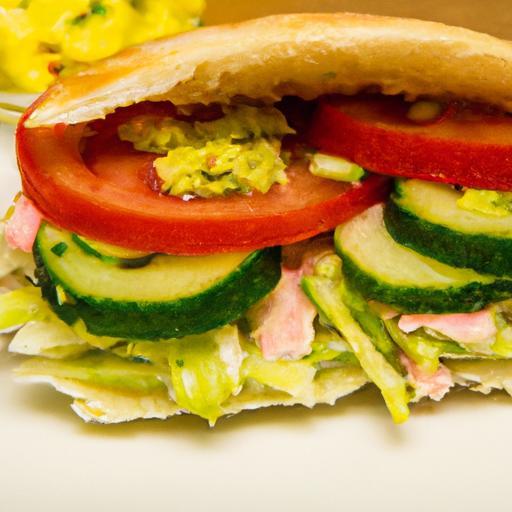
In the vibrant mosaic of Israeli street food,few dishes capture the essence of tradition,flavor,and cultural fusion quite like the sabich. This unassuming sandwich, brimming with warm fried eggplant, hard-boiled eggs, and a medley of fresh and tangy accompaniments, tells a story that transcends its humble origins.”Sabich Unveiled: Exploring Israel’s Iconic Flavorful Sandwich” invites you on a culinary journey thru the streets of Israel, unraveling the history, ingredients, and cultural meaning behind this beloved favorite. Whether your a seasoned foodie or new to Middle Eastern cuisine, prepare to discover how sabich transforms simple ingredients into an unforgettable bite of history and taste.
the Origins and Cultural Significance of Sabich
Sabich unveiled is more than just a sandwich; it is a vibrant tapestry of Israeli history and culture wrapped in pita. Originating from the Iraqi Jewish community who immigrated to israel in the mid-20th century, Sabich traces its roots to a humble street food meal, crafted for Shabbat mornings when cooking fires were discouraged.Over time, this flavorful creation has become a beloved national icon, celebrated for its unique combination of fresh and fried, tangy and creamy, crunchy and soft textures. Each bite tells a story of migration, tradition, and the joyful fusion of flavors that symbolize Israel’s melting pot of cultures.
The cultural significance of Sabich extends beyond the plate-it represents hospitality and communal sharing. Served in bustling markets from Tel Aviv to Jerusalem, it’s admired not only for its taste but also for its role in bringing people together, whether at a family breakfast or a lively neighborhood eatery.
Key Ingredients That Define Sabich’s unique Flavor
At the heart of every unforgettable Sabich sandwich lies an eclectic but harmonious medley of ingredients. The key to its distinctive flavor is the interplay between silky, smoky eggplant, soft, creamy boiled eggs, and the freshly chopped salad that adds a refreshing bite. The conventional tahini sauce, frequently enough punctuated with a squeeze of lemon and a dash of garlic, weaves these textures together, balancing the richness with earthy and tangy undertones.
Other essential elements include amazing, crisp pickles-usually a mix of cucumbers, turnips, or mango for a zingy crunch-and the unmistakable touch of Israeli salad (finely diced tomatoes and cucumbers). The addition of hardened fried potatoes or sabich’s signature crispy “patates” (potato sticks) provides a delightful contrast, completing the ensemble of flavors.
Mastering the Art of the Perfect Sabich Sandwich
To create the authentic experience of Sabich unveiled in yoru kitchen, attention to detail is crucial. Start by selecting fresh large, glossy pita pockets that gently cradle all the fillings without tearing. preparing the eggplant calls for slicing it into thick rounds, salting them to draw out bitterness, and then frying until tender and caramelized with a golden crust.
Boil eggs until just set-ideally about 9 minutes for firm whites with creamy yolks-and peel carefully to maintain their shape. Meanwhile, finely dice the salad vegetables and prepare your homemade tahini sauce, mixing tahini paste with lemon juice, water, garlic, and a touch of salt for a luscious, pourable consistency.
- Warm the pita pockets gently in a dry skillet or oven to soften.
- Layer the fried eggplant slices evenly inside the pita, creating a soft base.
- add the sliced boiled eggs atop the eggplant, ensuring each bite has creamy richness.
- Fill with a generous portion of Israeli salad and a handful of crispy pickles for crunch.
- Drizzle liberally with tahini sauce, then add the fried potato sticks for contrast.
- Finish with a squeeze of fresh lemon and a sprinkle of chopped parsley or cilantro for brightness.
Serve instantly for a perfect balance of warmth, crunch, and fresh cooling notes that make Sabich so irresistible.
Insider Tips for Finding the Best Sabich in Israel
When hunting for the ultimate Sabich unveiled experience in Israel, venturing beyond tourist spots is key. Seek out family-owned stalls in local markets such as tel Aviv’s Carmel market or Jerusalem’s Mahane yehuda, where recipes have been perfected and passed down through generations.Ordering from vendors who prepare the eggplant fresh on the spot signals quality and commitment to authenticity.
Don’t hesitate to ask for extra tahini or a side of amba (pickled mango sauce)-these regional touches elevate the flavor complexity. Many Israeli locals swear by modest, unassuming stands with the longest lines, knowing the best Sabich comes from passion, not polish. Also, consider timing your visit early morning or late afternoon for peak freshness when supplies are just replenished.
For your culinary journey beyond Sabich, explore our in-depth guide on classic Israeli street foods.To deepen your understanding of Middle Eastern culinary history, the Smithsonian’s Food History page offers excellent resources.
Prep and Cook Time
- Preparation: 25 minutes
- Cooking: 20 minutes
- Total Time: 45 minutes
Yield
- Serves 4 sandwiches
Difficulty Level
- Medium - requires frying and assembling multiple components
Ingredients
- 2 large eggplants, sliced into ½-inch thick rounds
- 6 large eggs
- 4 large pita pockets
- 1 cup Israeli salad (finely diced cucumber, tomato, parsley, and onion)
- ½ cup pickles (mixed cucumbers, turnips, or mango)
- 1 large potato, cut into thin fries or matchsticks and fried until crisp
- ½ cup tahini paste
- ¼ cup lemon juice
- 1 clove garlic, minced
- 2 tbsp olive oil (for frying eggplant)
- Salt and pepper to taste
- Fresh parsley or cilantro, chopped for garnish
- Sliced lemon wedges, for serving
- Optional: amba sauce for extra tanginess
Instructions
- Prepare the eggplant: Sprinkle salt generously on both sides of eggplant slices and let sit for 15 minutes to remove bitterness. Rinse and pat dry with paper towels.
- Fry the eggplant: Heat olive oil in a large skillet over medium heat. Fry eggplant slices in batches for about 3 minutes per side or until golden brown and tender. Drain on paper towels.
- Boil the eggs: Place eggs in a pot of cold water. Bring to a boil, then simmer for 9 minutes. Cool in ice water, peel carefully, and slice.
- Make tahini sauce: Whisk together tahini paste, lemon juice, minced garlic, and water gradually until smooth and pourable. Season with salt.
- Fry potatoes: Heat oil in a deep pan and fry potato matchsticks until golden and crisp. Drain on paper towels and season lightly with salt.
- Warm pita pockets: Heat pita in a dry pan or oven for softness and pliability.
- Assemble the Sabich: Open each pita and layer fried eggplant, sliced eggs, Israeli salad, and pickles. Drizzle generously with tahini sauce. Add crispy potatoes last for crunch.
- garnish and serve: Sprinkle chopped herbs and add a squeeze of lemon. Serve immediately, optionally with a side of amba.
Chef’s Notes
- For a healthier version, bake the eggplant rather of frying, brushing with olive oil and cooking until tender.
- If you prefer a spicier kick, mix harissa into the tahini or add sliced fresh chili peppers.
- Sabich can be assembled in advance but keep the pita separate until serving to prevent sogginess.
- Use freshly made pita for the best texture; stale pita won’t hold the sandwich well.
- For a vegan variant,substitute eggs with fried tofu or omit entirely and increase potato and eggplant portions.
Serving Suggestions
Serve Sabich unveiled with a crisp, cold Israeli cucumber salad and a side of tangy amba sauce for dipping. A chilled glass of refreshing mint lemonade or sweetened iced tea pairs beautifully. Garnish with extra fresh herbs and lemon wedges to brighten flavors and add visual appeal. Present the sandwich wrapped in parchment paper or a rustic basket to embrace its street food roots.

| Nutrient | Per Serving |
|---|---|
| Calories | 450 kcal |
| Protein | 15 g |
| Carbohydrates | 50 g |
| fat | 20 g |
Q&A
Q&A: Sabich Unveiled – Exploring Israel’s Iconic Flavorful Sandwich
Q1: What exactly is Sabich?
A1: Sabich is a vibrant Israeli sandwich, a symphony of flavors tucked inside a soft, fluffy pita.Traditionally, it combines fried eggplant, hard-boiled eggs, hummus, amba (a tangy mango pickle), Israeli salad, parsley, and tahini. It’s a street food staple that tells a story of culture and history with every bite.Q2: Where dose Sabich originate from?
A2: Sabich’s roots trace back to the Iraqi Jewish immigrants who arrived in Israel in the mid-20th century.They brought with them the tradition of packing eggplant and eggs for breakfast, which evolved into the sandwich we know today. It’s a delicious fusion that bridges Iraqi Jewish heritage with Israeli street-food culture.
Q3: What makes Sabich unique compared to other sandwiches?
A3: Unlike many sandwiches that center on meat, Sabich is a vegetarian delight that bursts with contrasting textures and pungent, tangy flavors. The silky fried eggplant,creamy hummus,and the zing of amba set it apart. It’s a bowl of sunshine wrapped up in pita, satisfying and wholesome.
Q4: Can Sabich be customized?
A4: Absolutely! While the classic ingredients remain beloved,creative sandwicheers experiment with spice levels,add pickled vegetables,or swap tahini for zesty amba-heavy sauces. Vegan variations also thrive by skipping eggs and sometimes incorporating roasted peppers or fresh herbs.
Q5: Why has Sabich become such an iconic Israeli street food?
A5: Sabich encapsulates the Israeli ethos of simplicity meeting bold flavor. It’s affordable, portable, and packed with nutrients, making it perfect for on-the-go meals. Beyond taste, Sabich carries cultural weight-highlighting immigrant stories and the melding of traditions into a national culinary identity.
Q6: How can one best enjoy Sabich at home?
A6: To savor the essence of Sabich, start with fresh pita, fry eggplant slices until golden, hard-boil eggs, and prepare a fresh Israeli salad (diced cucumbers and tomatoes). Don’t skimp on amba and tahini drizzles. Assemble with love and relish the medley of textures and flavors-a true at-home street feast.
Q7: Is Sabich suitable for all diets?
A7: Sabich is naturally vegetarian, rich in plant-based protein from eggplant, chickpeas, and eggs. Vegans can easily adapt it by omitting eggs and using vegan tahini sauces. It’s a wholesome, nutrient-dense option that fits well into various dietary lifestyles.
Q8: What does Sabich tell us about Israeli culture?
A8: sabich is a culinary narrative-one of migration, adaptation, and melding traditions. It teaches us how food can preserve heritage while embracing new contexts. Through Sabich, we glimpse the warm, diverse tapestry of Israeli society, where history and flavor converge in each pita pocket.
Dive into Sabich and you’re not just biting into a sandwich-you’re tasting history, community, and the spirited, savory heart of Israel itself.
In Summary
As we close the pita on our flavorful journey through Sabich’s rich tapestry, it’s clear that this humble sandwich is far more than a street snack-it’s a vibrant emblem of Israeli culture and culinary history. From its layers of tender eggplant to the tangy burst of amba and the creamy whisper of hummus, Sabich invites us to savor not just ingredients but stories of heritage, migration, and innovation. Whether enjoyed on a bustling Tel Aviv street corner or recreated in your own kitchen, this iconic sandwich continues to unite tradition with bold, fresh flavors-making every bite a celebration of Israel’s dynamic food landscape. So next time hunger calls, consider Sabich: a delicious passport to the heart of a nation’s flavorful soul.