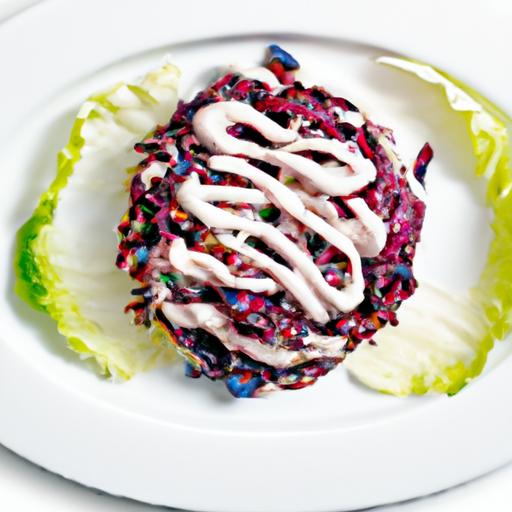

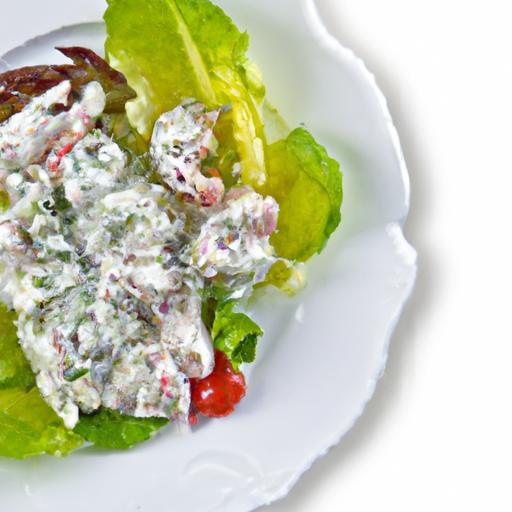
In the vibrant world of culinary classics,few condiments carry as much intrigue and versatility as Russian dressing. More than just a colorful splash on your sandwich or salad, this enigmatic sauce boasts a rich tapestry of history and a flavor profile that dances between tangy, spicy, and creamy. But where exactly did Russian dressing originate, and what secret ingredients give it that unmistakable zing? Join us as we unravel the story behind this beloved condiment, exploring its mysterious roots and revealing the flavor secrets that have made Russian dressing a timeless kitchen staple.
Russian dressing captivates food lovers with its intriguing blend of bold, tangy, and slightly sweet flavors, making it an irresistible condiment that transforms simple meals into vibrant culinary experiences. Despite its name, this sauce’s true origins trace back to early 20th-century America, where it emerged as a creative twist inspired by European influences. Today,understanding Russian dressing’s cultural journey and flavor profile not only enhances your recognition but also empowers you to craft and customize the perfect version right in your kitchen.
Prep and Cook Time
Preparation: 10 minutes
Cook Time: None (no cooking required, just blending)
Yield
Approximately 1 cup (8 servings as a condiment)
Difficulty Level
Easy – just mix and season!
Ingredients
- 1/2 cup mayonnaise (for a creamy base)
- 2 tablespoons ketchup (adds sweetness and color)
- 1 tablespoon prepared horseradish (for a sharp kick)
- 1 teaspoon Worcestershire sauce (for umami depth)
- 1 teaspoon white vinegar (provides tanginess)
- 1 teaspoon finely minced onion (adds savory crunch)
- 1/2 teaspoon smoked paprika (enhances smoky warmth)
- Salt and freshly ground black pepper (to taste)
Instructions
- combine the base: In a medium bowl, whisk together the mayonnaise and ketchup until smooth and evenly blended.
- Add bold flavors: Stir in the prepared horseradish, Worcestershire sauce, and white vinegar. This trifecta creates the characteristic tangy-piquant backbone of the dressing.
- Incorporate aromatics: Mix in the finely minced onion along with smoked paprika, which enriches the dressing with delicate smokiness.
- Season thoughtfully: Taste your dressing and adjust salt and black pepper as needed to balance the sharp, creamy, and sweet notes perfectly.
- Chill to develop flavors: cover and refrigerate for at least 30 minutes before serving. This resting period allows the flavors to meld into a harmonious medley.
Tips for Success
- For a zestier punch: Increase horseradish slightly, but beware: too much can overpower the subtle sweetness.
- Ditch the mayo? Try a Greek yogurt substitution for a lighter, tangier variation that still holds the creamy texture.
- Make ahead: Russian dressing keeps well covered in the refrigerator for up to a week,intensifying in flavor over time.
- Texture tweak: For a chunkier dressing,substitute minced onion with finely chopped sweet pickles or relish.
- Consistency control: If you prefer a looser dressing,add up to 1 teaspoon of olive oil or water to thin without diluting flavor.
Serving suggestions
Russian dressing truly shines when paired with classic dishes. Spread it generously on a towering Reuben sandwich layered with corned beef, Swiss cheese, sauerkraut, and rye bread. Use it as a zesty dip for crispy fries or as a creamy salad dressing to enliven a wedge of iceberg lettuce topped with crisp bacon and tomatoes. Garnishing with a sprinkle of freshly chopped chives or a sliver of pickled jalapeño elevates both visual appeal and flavor complexity.
Whether you stick to the classic recipe or experiment with bold twists,Russian dressing’s balance of tang,spice,and creaminess promises a appetizing boost to countless dishes.Incorporate this versatile sauce into your kitchen repertoire to transform everyday meals into memorable feasts.

| Nutrient | Per 2 tbsp Serving |
|---|---|
| Calories | 80 |
| Protein | 0.3 g |
| carbohydrates | 3 g |
| Fat | 8 g |
discover more about sauces that elevate every meal in our Classic American Condiments Guide. For deeper insight into the intriguing history of Russian dressing, visit Serious Eats, a trusted culinary resource.
Q&A
Q&A: Russian Dressing Unveiled – History and Flavor Secrets Revealed
Q1: What exactly is Russian dressing?
A1: Russian dressing is a creamy, tangy condiment typically made from mayonnaise, ketchup or chili sauce, and an array of spices and pickled ingredients like relish or horseradish.It’s a harmonious blend that strikes a perfect balance between sweet, tangy, and mildly spicy notes, making it a beloved companion to sandwiches, salads, and burgers alike.
Q2: Why is it called ”Russian” dressing? Does it actually come from Russia?
A2: Despite its name, Russian dressing doesn’t hail from Russia. The name likely originated in early 20th-century America, inspired by the exotic allure of Russian cuisine or perhaps the inclusion of ingredients evocative of Russian flavors.Unlike its close cousin, Thousand Island dressing, russian dressing boasts a spicier kick and a smoother texture. Its name remains a charming mystery wrapped in culinary lore.
Q3: When and where did Russian dressing first appear?
A3: Russian dressing appeared on american menus in the early 1900s, gaining popularity as a zesty alternative to traditional mayonnaise-based condiments. It became especially famous as a staple in deli sandwiches across the United States, particularly for the iconic Reuben sandwich, where it melts beautifully into corned beef, sauerkraut, and swiss cheese.
Q4: What ingredients give Russian dressing its signature flavor?
A4: The secret lies in its marriage of creamy and piquant components. Mayonnaise provides a smooth base; ketchup or chili sauce adds sweetness and color; horseradish or mustard delivers spicy warmth; and relish or chopped pickles contribute tangy crunch. Vinegar or lemon juice frequently enough enhances acidity, rounding out the flavor profile with a radiant snap.
Q5: How does Russian dressing differ from Thousand Island dressing?
A5: Tho they look similar, Russian dressing tends to be spicier and less sweet than Thousand Island.Thousand Island ofen includes finely chopped hard-boiled eggs and a sweeter, chunkier texture, while Russian dressing is generally smoother and focused on a bold, peppery zest. Both are delightful, but each sets a distinct mood on your palate.
Q6: Can Russian dressing be made at home?
A6: Absolutely! Homemade Russian dressing is surprisingly simple and infinitely customizable. By mixing mayonnaise, ketchup, a splash of vinegar, horseradish, prepared mustard, and sweet pickle relish, you can tweak the balance to suit your taste buds. Freshly ground black pepper and a dash of smoked paprika can elevate the flavor even further.
Q7: What dishes pair best with Russian dressing?
A7: Beyond the classic Reuben sandwich, Russian dressing shines on turkey or roast beef sandwiches, as a zesty salad dressing, or even as a dipping sauce for crispy fries and roasted vegetables. Its tangy creaminess lends depth and excitement wherever it’s drizzled.
Q8: has Russian dressing stayed popular over time?
A8: While its peak may have been mid-20th century,Russian dressing enjoys a nostalgic comeback among food lovers craving vintage Americana flavors. Chefs and home cooks alike appreciate its versatility and distinctive personality,ensuring that this “Russian” classic remains a flavorful legend.
Embrace the story and savor the zest – Russian dressing is more than just a sauce; it’s a cultural tale told through taste!
The way Forward
As we peel back the layers of Russian dressing’s intriguing past and savor its unique blend of flavors, we come to appreciate more than just a condiment-it’s a culinary story told through a creamy, tangy bite. From its mysterious origins to its enduring presence on tables worldwide, Russian dressing invites us to explore how history and palate intertwine in the simplest of sauces. So next time you drizzle it over your favorite salad or sandwich, remember: you’re tasting a flavorful legacy that continues to delight and inspire, one dollop at a time.