
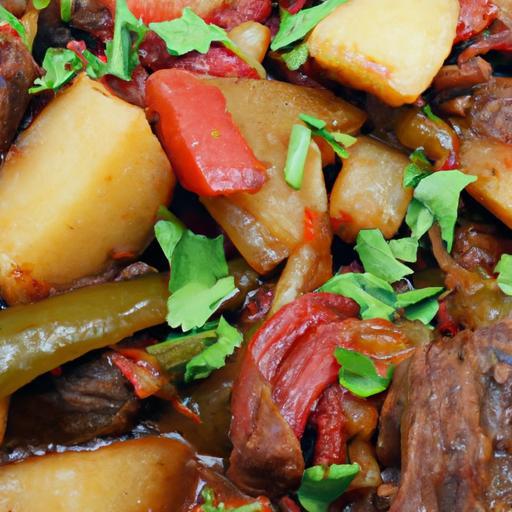
In the heart of Caribbean kitchens and Cuban homes alike, a fragrant, hearty aroma often signals the presence of a beloved culinary treasure: Ropa Vieja. This shredded beef stew, whose name translates to “old clothes,” is much more than a comforting meal-it’s a vibrant tapestry woven with history, culture, and flavor.Steeped in tradition and brimming with tender strands of slow-cooked beef bathed in a rich tomato and pepper sauce, Ropa Vieja carries stories of resilience and heritage in every bite. Join us as we unravel the origins, evolution, and enduring appeal of this iconic dish that continues to bring peopel together around the table.
The Origins and Cultural Significance of Ropa Vieja
Ropa Vieja is more than just a hearty shredded beef stew; it is a culinary treasure deeply woven into the fabric of Caribbean and Latin American culture. This dish traces its roots back to the Canary Islands before journeying across the Atlantic to Cuba, Puerto Rico, and beyond. The name Ropa Vieja translates to “old clothes,” a nod to the dish’s rustic appearance, where tender, shredded beef resembles frayed fabric. Traditionally, it was a humble way of repurposing leftovers, transforming simple, affordable ingredients into a rich, comforting meal. Over centuries, Ropa Vieja has become a symbol of family gatherings, celebrations, and cultural pride, embodying the warmth of home and the spirit of resilience.
Prep and Cook Time
- Planning: 20 minutes
- Cooking: 2 hours 30 minutes
- Total: 2 hours 50 minutes
Yield
Serves 6 generous portions
Difficulty Level
Medium – Ideal for home cooks ready to embrace slow-cooking techniques
Key Ingredients and Flavor Profiles That define the Dish
Ropa Vieja is defined by a harmonious blend of ingredients that create layers of bold,zesty,and earthy flavors. At its heart is flank steak or chuck roast, slow-cooked until it’s meltingly tender and perfect for shredding. The iconic tomato-based sauce is enriched with bell peppers (typically red and green), onions, and aromatic garlic. The interplay of cumin, smoked paprika, and bay leaves brings a warm, smoky depth. A touch of sherry vinegar or red wine vinegar cuts through the richness, adding brightness and balancing flavors. fresh cilantro or parsley provides a fresh herbal finish that elevates every forkful.
step-by-Step Guide to Perfectly shredded Beef
- Choose the right cut. Select a tougher cut such as flank steak or chuck roast, ideal for slow cooking and shredding.
- Season generously. Rub the beef with salt, pepper, and a pinch of smoked paprika for an initial layer of flavor.
- Sear the beef. In a hot skillet with olive oil, sear the meat over medium-high heat until deeply browned on all sides (about 4 minutes per side). This step locks in juices and intensifies the flavor.
- Build your sauce. In the same skillet, sauté diced onions, sliced bell peppers, and minced garlic until golden and fragrant, approximately 7 minutes.
- Deglaze & simmer. Add crushed tomatoes, cumin, bay leaves, and vinegar to the skillet, scraping up browned bits to incorporate into the sauce.
- Combine and slow cook. Transfer the seared beef to a slow cooker or heavy pot,pour the sauce over,cover,and cook on low heat for 2 to 2.5 hours until the meat is fork-tender.
- Shred with care. Remove the beef and place it on a large cutting board. Using two forks, gently pull the meat apart into long, thin strands, maintaining the texture for the perfect shred.
- Simmer the shredded beef in sauce. Return the shredded beef to the pot and stir it into the sauce. Cook for an additional 15 minutes on low, allowing the beef to soak up all the appetizing flavors.
Expert Tips for Serving and Pairing Ropa Vieja
Ropa Vieja truly shines when paired with traditional side dishes that complement its rich, tangy profile. Serve it atop a bed of fluffy white rice, such as Cuban or jasmine rice, to soak up every bit of the luscious sauce. To keep the plate vibrant and balanced,add simple black beans cooked with a hint of garlic and bay leaf. For texture contrasts, fried plantains or tostones provide sweet, crispy side notes that elevate the meal. Garnish with freshly chopped cilantro or green onions for a burst of color. A classic Cuban mojito or a chilled glass of dry white wine pairs beautifully, refreshing the palate between savory bites.
Chef’s Notes and Tips for success
- Make ahead: Ropa Vieja tastes even better the next day as flavors meld overnight. Prepare in advance and refrigerate.
- Slow Cooker vs. Stovetop: the slow cooker yields incredibly tender beef, but if short on time, simmer gently on the stovetop with a lid at low heat for 2.5-3 hours.
- For vegetarian variation: Substitute beef with jackfruit or portobello mushrooms for a plant-based take without losing texture.
- Adjust spice level: Add a pinch of red pepper flakes or diced jalapeños in the sauce for a little heat.
- Shredding technique: Let the beef rest a bit after cooking to lock in juices, then shred along the grain for tenderness.
Ingredients
- 2.5 lbs flank steak or chuck roast, trimmed
- 1 tbsp olive oil
- 1 large onion, thinly sliced
- 1 red bell pepper, julienned
- 1 green bell pepper, julienned
- 4 cloves garlic, minced
- 1 can (14 oz) crushed tomatoes
- 1 tbsp tomato paste
- 2 bay leaves
- 1 tsp ground cumin
- 1 tsp smoked paprika
- 1/4 cup dry white wine or beef broth (optional)
- 1 tbsp sherry or red wine vinegar
- Salt and black pepper, to taste
- Fresh cilantro or parsley, chopped, for garnish
Instructions
- Prep and sear the beef: Pat the beef dry and season all over with salt, pepper, and smoked paprika. Heat olive oil in a large skillet over medium-high heat. Sear the meat until a deep brown crust forms on all sides,about 4 minutes per side. Transfer beef to a slow cooker or heavy-bottom pot.
- sauté the vegetables: In the same skillet, add onions, bell peppers, and garlic. Sauté until softened and aromatic,about 7 minutes,stirring regularly to prevent burning.
- Make the sauce: Stir in the tomato paste and cook for 1 minute. Add crushed tomatoes, cumin, bay leaves, and white wine or broth to deglaze the pan, scraping any browned bits from the bottom. Simmer for 5 minutes.
- Combine and slow cook: Pour the sauce mixture over the beef. Cover and cook on low for 2 to 2.5 hours, or until the meat is falling apart tender.
- Shred the beef: Remove the beef from the cooking liquid and place on a cutting board. Using two forks, shred the meat into thin strands along the grain.
- Simmer the shredded beef in sauce: Return shredded beef to the pot and stir gently into the sauce. Cook on low, uncovered, for another 15 minutes to meld flavors.
- Finish and serve: Discard bay leaves. Adjust seasoning with salt, pepper, and vinegar. Serve hot, garnished with fresh cilantro or parsley.
Serving Suggestions
Present Ropa Vieja over steaming white rice, accompanied by black beans and fried plantains. For extra flair, add a wedge of lime and a sprinkle of chopped green onions. This vibrant,textured meal pairs beautifully with a crisp salad or Cuban-style yuca con mojo (cassava with garlicky citrus sauce).
| Nutrient | Per Serving |
|---|---|
| Calories | 420 |
| Protein | 38g |
| carbohydrates | 12g |
| Fat | 22g |

For a deeper dive into Cuban cuisine inspiration, explore our caribbean Rice and Beans recipe.To learn more about the cultural heritage of Latin American dishes, visit National geographic’s Latin American Food Culture article.
Q&A
Q&A: Ropa Vieja – the Shredded Beef Stew Steeped in Tradition
Q: What is Ropa Vieja and where does this dish come from?
A: Ropa Vieja, literally translating to “old clothes” in Spanish, is a vibrant shredded beef stew bursting with color, flavor, and history.Originating from the Canary Islands and widely embraced throughout Cuba and the Caribbean, this dish carries centuries of culinary tradition, symbolizing resourcefulness and cultural fusion. The name refers to the dish’s signature shredded meat,resembling tattered fabric,lovingly stewed in a rich,tomato-based sauce studded with peppers,onions,and spices.
Q: Why is Ropa Vieja considered a traditional dish?
A: Ropa Vieja isn’t just food – it’s a story on a plate. Passed down through generations, it reflects the melding of Spanish, African, and Caribbean influences. Traditionally,it was a way to stretch leftovers from pot roasts into something delectable and hearty. Over time, its comforting flavor and communal spirit made it a staple at family gatherings and celebrations, especially in Cuban households. It embodies not just sustenance but heritage, resilience, and home.
Q: What are the essential ingredients that give Ropa vieja its distinctive flavor?
A: The soul of Ropa Vieja lies in its perfectly tender shredded beef, preferably flank or skirt steak, slow-cooked until it falls apart like soft fabric. The beef simmers in a savory tomato sauce enlivened with garlic, onions, bell peppers (usually green and red for color and sweetness), cumin, oregano, and bay leaves.Some recipes add olives or capers for a briny twist, and a splash of dry white wine to deepen the complexity. The harmony of these ingredients creates a hearty, aromatic, and mouthwatering stew.
Q: how is Ropa Vieja traditionally served?
A: Traditionally, Ropa Vieja is served atop a bed of white rice, soaking up every bit of its luscious sauce. It’s frequently enough accompanied by black beans, fried plantains, and sometimes a side of yuca or Cuban-style pickled vegetables.Together, these sides create a vibrant plate that balances the richness of the beef stew with contrasting textures and flavors – sweet, savory, tangy, and earthy.
Q: Can Ropa Vieja be adapted to modern diets or cooking styles?
A: Absolutely! While the classic version is beef-centric, creative spins have emerged: slow-cooker recipes for ease, pressure-cooker shortcuts for speed, and even plant-based versions using jackfruit or mushrooms to mimic that shredded texture. Spice levels can be adjusted to taste, and ingredients swapped for seasonal or locally available produce. However, the essence remains-tender, shredded “old clothes” bathing in a soul-warming sauce.
Q: What makes Ropa Vieja a dish worth trying beyond its delicious taste?
A: Beyond its tantalizing flavors, Ropa Vieja invites you into a cultural tapestry woven from history, tradition, and community. Each bite connects you to stories of migration, adaptation, and family resilience. It’s comfort food elevated to an art form-a reminder that some dishes do more than nourish the body; they feed the soul. Trying Ropa Vieja is like savoring a living legacy, one forkful of shredded beef at a time.
Final Thoughts
Ropa Vieja is more than just a dish; it’s a flavorful tapestry woven from the rich threads of history, culture, and community. Each tender shred of beef tells a story of resilience and tradition, simmered to perfection with spices and ingredients passed down through generations. Whether served over fluffy rice or accompanied by sweet plantains, this beloved stew invites us to savor not only its bold, comforting flavors but also the heritage that continues to inspire kitchens across the world. In every warm, hearty bite of Ropa Vieja, we taste a delicious reminder that food is frequently enough the most enduring link to our roots and the stories that shape us.