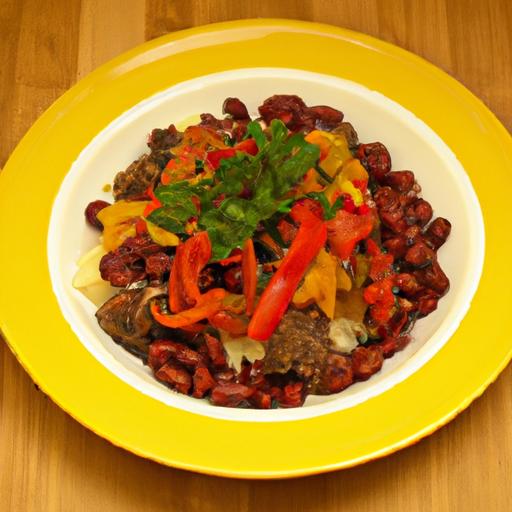

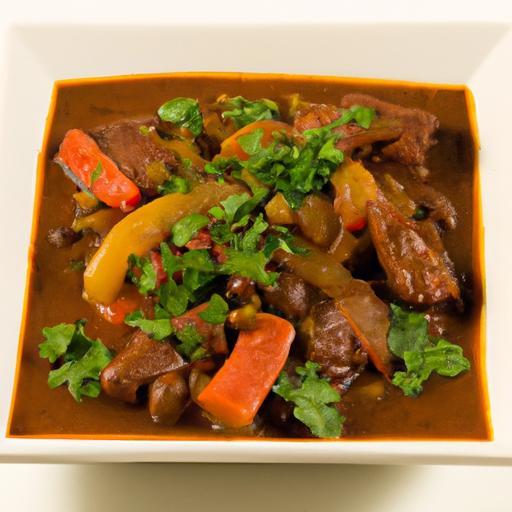
steeped in rich history and vibrant flavors, Ropa Vieja stands as a culinary emblem of Cuban heritage. This beloved beef stew-tender shredded meat simmered slowly in a savory tomato-based sauce with peppers, onions, and a symphony of spices-offers more than just a hearty meal; it tells a story. From its roots in the Canary Islands to its evolution on the sun-kissed shores of Cuba, ropa Vieja invites food lovers on a flavorful journey that captures the essence of island life, resilience, and tradition. In this article, we’ll explore the origins, ingredients, and cultural meaning behind this iconic dish that continues to warm hearts and tables across generations.
Ropa Vieja, the beloved Cuban beef stew, carries a rich tapestry of history and flavor that transforms everyday ingredients into a soulful experience. Rooted deeply in Cuban culture, this slow-cooked masterpiece evolved from Spanish colonial influences and the hearty traditions of Canary Islanders, melding into a dish that symbolizes family, resilience, and party. Every bite of shredded beef bathed in a fragrant tomato sauce infused with peppers, onions, and spices tells a story – a story of home, heritage, and a culinary journey worth savoring.
Prep and Cook Time
- Preparation: 20 minutes
- Cooking: 2 to 3 hours
- total Time: Approximately 2 hours 30 minutes
Yield
Serves 6 hearty portions
Difficulty Level
Medium – Perfect for home cooks ready to explore authentic Cuban flavors with attentive simmering and seasoning.
Ingredients
- 2.5 lbs flank steak, trimmed of excess fat
- 2 tablespoons olive oil
- 1 large onion, thinly sliced
- 1 large green bell pepper, thinly sliced
- 1 large red bell pepper, thinly sliced
- 4 cloves garlic, minced
- 1 (14 oz) can crushed tomatoes
- 1 cup beef broth
- 1/2 cup dry white wine (optional but recommended)
- 2 teaspoons ground cumin
- 1 teaspoon smoked paprika
- 1/2 teaspoon dried oregano
- 1 bay leaf
- 1/4 teaspoon red pepper flakes, adjust to taste
- Salt and freshly ground black pepper, to taste
- 2 tablespoons fresh lime juice
- Chopped fresh cilantro, for garnish
Step-by-Step guide to Crafting the Richest Ropa Vieja Stew
- Prepare the beef: Pat the flank steak dry and season generously with salt and pepper. Heat olive oil in a large heavy-bottomed pot over medium-high heat.
- Sear the meat: Place the steak in the pot and brown on all sides, about 3-4 minutes per side, until a deep mahogany crust forms. This caramelization is essential to develop rich depth of flavor.remove the meat and set aside.
- Sauté the aromatics: Reduce heat to medium and add sliced onions and bell peppers. Sauté until softened and just starting to caramelize,about 7-8 minutes. Stir frequently to prevent sticking and to coax out the natural sweetness of the vegetables.
- Add garlic and spices: Stir in minced garlic, cumin, smoked paprika, oregano, and red pepper flakes. Cook for 1 minute until fragrant, ensuring the spices are evenly toasted but not burned.
- Deglaze the pot: Pour in the white wine (if using) and scrape the browned bits from the bottom of the pan with a wooden spoon. Let the liquid reduce by half for about 3 minutes.
- Incorporate liquids and beef: Stir in crushed tomatoes and beef broth, then nestle the browned flank steak back into the pot with the bay leaf. Bring to a gentle simmer.
- Simmer low and slow: Cover and reduce heat to low. Let the beef cook slowly for about 2 to 2.5 hours, or until it becomes fork-tender and ready to shred. Stir occasionally, adding a splash of broth if the sauce thickens too much.
- Shred the beef: Carefully remove the steak and place it on a cutting board. Using two forks, shred the meat finely against the grain-this is what gives Ropa Vieja its signature texture.
- Combine and finish: Return shredded beef to the pot and stir thoroughly into the sauce. Add fresh lime juice for brightness and adjust salt and pepper to taste. Simmer uncovered for an additional 10 minutes to marry the flavors.
Tips and Tricks for enhancing and Serving Your Cuban Classic
- Meat selection: Flank steak is traditional,but chuck roast offers excellent marbling for tenderness and flavor. Avoid lean cuts like sirloin as they dry out during long cooking.
- Make ahead: Ropa Vieja tastes even better the next day as the flavors deepen. Prepare it a day ahead and refrigerate; gently reheat on the stove with a splash of beef broth.
- serving ideas: Serve atop fluffy white rice or alongside classic Cuban black beans. Garnish with fresh cilantro and lime wedges for a zesty finish.
- extra depth: Add a splash of aged sherry or a pinch of cinnamon to the sauce for a subtle but intriguing note.
- Vegetarian twist: Substitute shredded jackfruit for beef in this recipe, keeping the rich sauce intact for a vegan take.
serving Suggestions
Present the ropa vieja steaming hot over a bed of fluffy, long-grain white rice, drizzling some of the vibrant sauce generously over the top. A side of black beans seasoned with cumin and garlic complements the stew perfectly. Finish the plate with fried plantains for sweetness and texture contrast. garnish with fresh cilantro and lime wedges to brighten every bite and bring authentic Cuban flair to your table.
| Nutritional Info (per serving) | Amount |
|---|---|
| Calories | 420 kcal |
| Protein | 38 g |
| Carbohydrates | 12 g |
| Fat | 22 g |
Explore more authentic Cuban Sides
For an in-depth understanding of Ropa Vieja’s historical context, visit Encyclopedia Britannica.

Q&A
Q&A: Ropa Vieja – A Flavorful Journey into Cuban Beef Stew
Q1: What exactly is Ropa Vieja?
A1: Ropa Vieja, which means “old clothes” in Spanish, is a traditional Cuban beef stew renowned for its rich, shredded meat simmered in a vibrant tomato-based sauce. The name evokes the dish’s appearance-the tender beef strands resemble tattered, colorful fabric. It’s a culinary staple that captures the heart and soul of cuban home cooking.
Q2: Where did Ropa vieja originate?
A2: While Ropa Vieja is now synonymous with cuban cuisine, its origins trace back to the Canary Islands of Spain. Spanish colonial influences brought the stew to the Caribbean, where it evolved into the hearty, flavor-packed dish beloved in cuba today. It symbolizes the blending of cultures and history simmering in a single pot.
Q3: What makes ropa Vieja so flavorful?
A3: The magic of Ropa Vieja lies in its layers of slow-cooked goodness. Beef brisket or flank steak is first browned, then shredded and simmered with a medley of tomatoes, bell peppers, onions, garlic, cumin, and smoky paprika. The slow cooking lets the spices meld deeply, resulting in a tender-meat tapestry bursting with savory, tangy, and earthy notes.
Q4: How is Ropa Vieja traditionally served?
A4: Traditionally,Ropa Vieja is served over fluffy white rice,allowing the sauce to soak into every grain. It’s often accompanied by black beans, fried plantains, and sometimes a side of yuca or avocado. Together, these sides bring balance-rich, starchy, sweet, and creamy-to the robust stew.Q5: Can Ropa vieja be adapted for different tastes or diets?
A5: Absolutely! While beef is traditional, Ropa Vieja can be made with shredded chicken or even jackfruit for a vegetarian twist. Spices can be adjusted for heat or smokiness,and coconut milk can be added to create a creamier,tropical version. The dish’s versatility ensures it can fit many palates while keeping its soulful essence.
Q6: what cultural significance does Ropa Vieja hold in Cuba?
A6: More than just a meal, Ropa Vieja represents Cuban resilience and hospitality. It’s frequently enough enjoyed during family gatherings and celebrations, embodying warmth, continuity, and the shared stories passed down through generations. each spoonful is a taste of Cuban history,community,and love.
Q7: Why should food lovers explore Ropa Vieja?
A7: Exploring Ropa Vieja is like taking a flavorful journey through Cuban culture and history. It’s a dish that’s humble yet hearty, simple yet complex-a perfect introduction to Cuban cooking that invites you to slow down, savor, and connect with a rich culinary heritage. Whether you’re a seasoned foodie or a curious cook, Ropa Vieja’s layers of taste and tradition promise a satisfying, memorable meal.
The conclusion
As the last tender shred of beef melts on your tongue and the rich, smoky aroma lingers in the air, Ropa Vieja reveals itself not just as a dish, but as a vibrant story of Cuban heritage and culinary artistry. This flavorful stew invites you to savor more than just its unique blend of spices and textures-it beckons you to explore the heart of a culture where every bite carries history, tradition, and soul. Whether you’re a seasoned foodie or a curious traveler in your own kitchen, Ropa Vieja offers a appetizing passage into the warm, spirited world of Cuban cooking, proving that sometimes, the most memorable journeys are the ones best taken one mouthwatering forkful at a time.