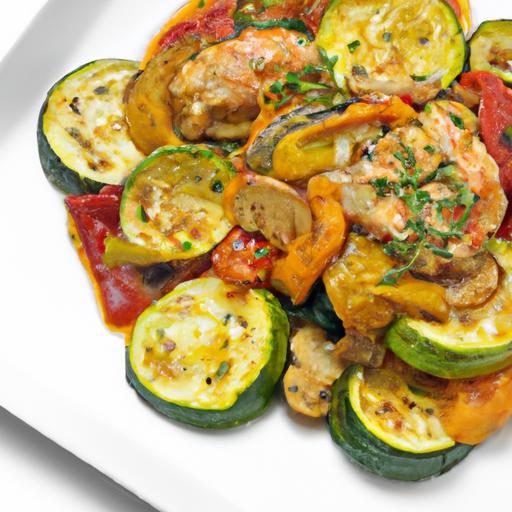

In the vibrant tapestry of global cuisine, few dishes capture the essence of rustic charm and culinary artistry quite like ratatouille. Frequently enough celebrated as a humble peasant stew,this Provencal masterpiece is much more than a medley of vegetables simmered in olive oil-it is indeed a flavorful journey that invites us to explore the rich heritage and intricate layers behind every bite. “Ratatouille Revealed: A Delicious journey Through Flavor” delves into the origins, techniques, and cultural significance of this iconic dish, uncovering how simple ingredients transform into a symphony of taste and tradition. Join us as we unravel the story of ratatouille, celebrating its role as both comfort food and a canvas for creativity in kitchens around the world.
Ratatouille Revealed draws you into a timeless culinary tradition brimming with rustic charm and vibrant Mediterranean flavors. Originating in the sun-kissed region of Provence, France, this humble vegetable medley has transcended its peasant roots to become a celebrated symbol of simplicity and technique, cherished by home cooks and gourmet chefs alike.My earliest memories with ratatouille are tied to my grandmother’s kitchen, where the aroma of simmering eggplant, zucchini, and sun-ripened tomatoes mingled effortlessly, illustrating the magic of layering flavors. This dish is more than a recipe; it’s a delicious journey that celebrates fresh ingredients, mindful readiness, and the art of harmony on a plate.
Prep and Cook Time
- Preparation: 20 minutes
- Cooking: 50 minutes
- Total Time: 1 hour 10 minutes
Yield
serves 6 as a side dish or light main course
Difficulty Level
Medium – requires patience and attention to layering flavors but accessible for confident home cooks
Ingredients
- 2 medium eggplants, sliced into ¼-inch rounds
- 3 zucchinis, sliced into ¼-inch rounds
- 3 large ripe tomatoes, thinly sliced
- 1 large yellow bell pepper, deseeded and finely chopped
- 1 large red bell pepper, deseeded and finely chopped
- 1 medium onion, diced finely
- 4 cloves garlic, minced
- 4 tbsp olive oil, divided
- 1 cup tomato passata (strained tomatoes)
- 1 tsp fresh thyme leaves
- 1 tsp fresh rosemary, finely chopped
- salt and freshly ground black pepper to taste
- Fresh basil leaves for garnish
- Fresh parsley, chopped for garnish (optional)
Instructions
- Prepare the vegetables: Rinse all vegetables under cold water. Pat dry with a paper towel to remove excess moisture, which is crucial for clean sautéing.
- Sauté the onions and peppers: In a large skillet,heat 2 tablespoons of olive oil over medium heat. Add diced onion and both bell peppers, cooking gently until softened and translucent, about 8 minutes. stir occasionally to prevent browning. Remove from pan and set aside.
- Cook the eggplant and zucchini separately: Add 1 tablespoon olive oil to the skillet, then add eggplant slices. Sauté until golden and soft,roughly 5-7 minutes per batch. Remove and repeat with zucchini slices. This separate cooking ensures even texture and prevents sogginess.
- Make the tomato base: In the same skillet,add remaining olive oil and minced garlic,sauté until fragrant (about 30 seconds). Pour in the tomato passata and add fresh thyme and rosemary. Simmer gently for 10 minutes, until sauce thickens slightly. Season with salt and pepper.
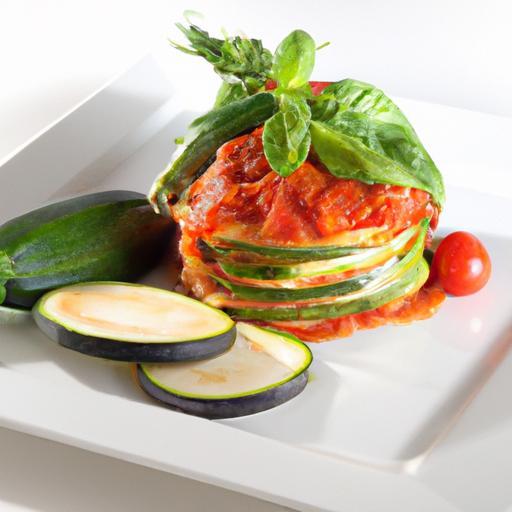
- Assemble the ratatouille: Spread the sautéed peppers and onions evenly in the base of a shallow baking dish. Arrange layered slices of eggplant, zucchini, and tomatoes in an alternating pattern on top, creating a visually stunning spiral or rows. Drizzle the tomato sauce over the layers evenly.
- Bake: cover the dish with parchment paper or foil and bake in a preheated oven at 350°F (175°C) for 35-45 minutes, or until vegetables are tender but still hold their shape.
- Garnish and serve: Remove from oven and let rest for 5 minutes. Garnish generously with fresh basil leaves and chopped parsley. Serve warm or at room temperature to savor the full aromatic bouquet.
Tips for Success: Mastering the Art of Layering Flavors
- Choose vegetables of uniform slice thickness to ensure even cooking and a lovely presentation.
- Sauté vegetables separately to control texture and avoid excess water release, which can make the dish watery.
- use ripe, seasonal produce-especially tomatoes-as their natural sweetness intensifies the sauce’s richness without added sugar.
- Don’t rush the simmering stage; allowing the tomato passata to reduce develops concentrated, balanced flavors.
- After baking, let your ratatouille rest to allow flavors to meld and the juices to redistribute, improving both texture and taste.
Creative Twists and Serving Suggestions to Elevate Your Dish
Once you’ve mastered this classic, the foundation is yours to experiment with. Try sprinkling crumbled goat cheese or mozzarella over the top just before the last 10 minutes of baking for a creamy contrast. For a smoky depth, add a few drops of smoked paprika into the tomato base. to transform ratatouille into a hearty meal, serve warm atop creamy polenta or fluffy couscous, or slide it inside toasted baguette slices for a vibrant summer tartine.
For a fresh, vibrant plate, garnish with microgreens or a drizzle of aged balsamic vinegar. Ratatouille revealed also pairs beautifully with grilled meats or a crisp, citrusy white wine like sancerre, highlighting the dish’s earthy sweetness.

| nutrient | Amount per Serving |
|---|---|
| Calories | 180 kcal |
| Protein | 4 g |
| Carbohydrates | 25 g |
| Fat | 8 g |
For further inspiration on Provençal cooking techniques, check out our provence Cuisine Basics, and learn more about the cultural roots of ratatouille at the Encyclopedia Britannica.
Q&A
Q&A: Ratatouille Revealed: A delicious Journey Through Flavor
Q1: What exactly is ratatouille, and why is it considered a culinary icon?
A1: Ratatouille is a traditional French provençal stewed vegetable dish, bursting with vibrant colors and layered flavors. Made from a harmonious blend of eggplants, zucchini, bell peppers, tomatoes, onions, garlic, and fragrant herbs, it’s more than just a side dish-it’s a celebration of summer’s bounty. Its iconic status comes from its simplicity paired with profound depth,embodying rustic elegance and the art of balancing nature’s gifts.Q2: How did ratatouille become such a beloved dish worldwide?
A2: Beyond its Provençal origins, ratatouille’s rise to global fame is partly thanks to popular culture-most notably the Pixar film Ratatouille, which spotlighted its essence of passion and craft in cooking. But its true allure lies in its versatility and soul-satisfying warmth,making it a favorite for chefs and home cooks alike,transcending borders with each colorful spoonful.
Q3: What makes the flavor profile of ratatouille so unique?
A3: Ratatouille’s beauty is in its layers of flavor-the sweetness of roasted bell peppers, the slight bitterness of eggplants, the earthiness of zucchini, all gently mingled with the savory depth of sautéed garlic and onions. Fresh herbs like thyme, rosemary, and basil add aromatic brightness. The slow cooking melds these elements into a harmonious medley where each bite tells a story of sun-drenched gardens and rustic hearths.
Q4: Are there different methods to prepare ratatouille?
A4: absolutely! Traditional ratatouille often involves stewing all the vegetables together to allow flavors to meld. Alternatively, there’s the artistic “confit byaldi” method-made famous by Ratatouille the movie-where thinly sliced vegetables are arranged in a visually striking spiral and oven-roasted with herbs and tomato sauce. Each approach offers a different texture and experience, whether you crave rustic heartiness or refined presentation.
Q5: How can someone elevate their homemade ratatouille to restaurant quality?
A5: Start with fresh, ripe vegetables-seasonality is key. Roast or sauté components individually to maximize flavor before combining.Layer in fresh herbs at multiple stages for depth. A splash of good olive oil and a touch of balsamic vinegar can add richness and tang. let it rest; flavors develop and intensify with time. Pair with crusty bread, creamy polenta, or a sunny-side-up egg for an unforgettable meal.
Q6: Is ratatouille suitable for special diets?
A6: Yes! Ratatouille is naturally vegan and gluten-free, making it a wholesome choice for many dietary needs. It’s packed with fiber, vitamins, and antioxidants. Plus, it can be enjoyed hot or cold, as a main, side, or sauce-making it a flexible, healthful canvas to suit diverse palates and lifestyles.
Q7: What is the cultural significance of ratatouille in French cuisine?
A7: Ratatouille embodies the heart of Provençal cooking-simplicity, respect for local ingredients, and the joy of sharing food. It reflects a slow food ideology and seasonal mindfulness. More than a recipe, it’s a cultural symbol of community, tradition, and the pastoral beauty of southern France’s landscapes.
Q8: Any tips for first-timers venturing into making ratatouille?
A8: Don’t be intimidated by its reputation! Focus on quality ingredients and take your time prepping. Layer flavors gently and taste as you go. Remember,ratatouille is forgiving-you can tweak herb quantities or vegetable ratios to suit your taste. It’s as much about the process and love put into cooking as the final dish itself.
Embark on your own delicious journey through flavor with ratatouille-where every bite invites you to savor sunshine, tradition, and the artistry of humble vegetables transformed into a masterpiece. Bon appétit!
in Summary
As we close the lid on this savory exploration, it’s clear that ratatouille is far more than a humble vegetable stew. It is indeed a vibrant tapestry of flavors,cultures,and history simmered into a dish that celebrates the bounty of the Mediterranean. Whether enjoyed as a rustic countryside meal or a refined culinary masterpiece, ratatouille invites us to savor the simple beauty of fresh ingredients harmonizing in perfect balance. So next time you slice up zucchini or roast sweet peppers, remember: you’re not just cooking-you’re taking part in a delicious journey through flavor, one bite at a time.