
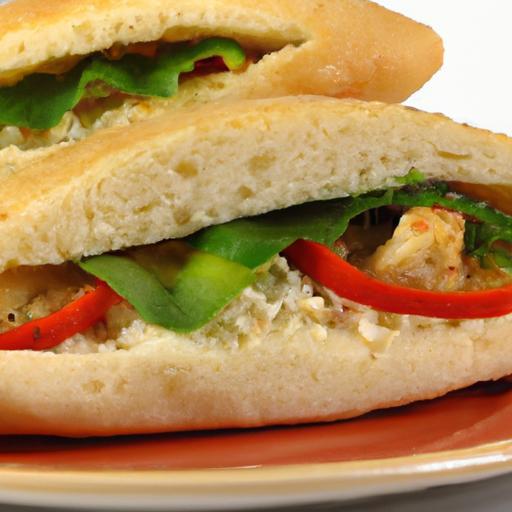
From bustling Middle Eastern markets to trendy urban cafés, pita bread has long been a beloved staple – its warm, pocketed form inviting endless culinary creativity. But beyond its soft, pillowy texture and convenient fold lies a rich tapestry of history that stretches back thousands of years. In this exploration of “Pita Perfection: Unfolding the History of Pocket Bread,” we journey through time to uncover how this simple yet ingenious bread shaped cultures, nourished civilizations, and earned its iconic place on tables around the world. Join us as we peel back the layers of pita’s past and discover the story baked into every pocket.
Pita Perfection begins with understanding the rich tapestry of history wrapped inside this humble pocket bread. Originating from the Middle East thousands of years ago, pita bread is a culinary marvel that transcends cultures and cuisines.Its signature hollow center, created by steam during baking, transforms it into a versatile edible vessel-perfect for everything from hearty meats to fresh, vibrant salads. Growing up, I vividly remember the aroma of freshly baked pita wafting through my family’s kitchen, evoking warmth and connection that only bread can bring. Today, this recipe invites you to craft that very magic at home, embedding tradition and flavor into every pocket you bake.
Prep and Cook Time
- Planning: 15 minutes
- Rising Time: 1 hour 30 minutes
- Baking Time: 3-5 minutes per batch
- Total Time: Approximately 2 hours
Yield
Makes 8 pita breads, each about 6 inches in diameter
Difficulty Level
Medium – Requires some kneading and timing for the perfect puff
Ingredients
- 3 cups all-purpose flour, sifted (plus extra for dusting)
- 1 ¼ cups warm water (110°F/43°C)
- 2 teaspoons active dry yeast
- 1 teaspoon granulated sugar
- 1 teaspoon kosher salt
- 1 tablespoon olive oil, plus more for greasing
Instructions
- activate the yeast: In a small bowl, combine the warm water, sugar, and yeast. Stir gently and let sit for 5-10 minutes until foamy and fragrant.
- Mix the dough: In a large bowl, whisk together the flour and salt. Make a well in the center and pour in the yeast mixture and olive oil.
- knead until smooth: Using your hands or a stand mixer fitted with a dough hook, knead the dough for 8-10 minutes. It should be elastic but slightly tacky.
- First rise: Lightly oil a clean bowl,place the dough inside,cover with a damp towel,and let proof in a warm spot for 1 hour or until doubled in size.
- Divide and shape: Punch down the dough gently and transfer to a floured surface. Divide into 8 equal pieces. Roll each piece into a ball, then flatten into ¼-inch thick discs.
- Rest the dough: Cover the discs with a kitchen towel and let rest for 15 minutes to relax the gluten-this aids puffing during baking.
- Preheat your oven and baking surface: Place a pizza stone or inverted heavy baking sheet in the oven and heat to 475°F (245°C) for at least 30 minutes. The high heat is critical for pocket formation.
- Bake the pitas: Carefully transfer 2-3 dough discs onto the hot stone/sheet. Bake for 3-5 minutes or until the pita puffs up into a golden pocket with light brown spots.
- Cool and store: remove with tongs onto a wire rack.Cover with a clean towel to keep soft. Use immediately or store in an airtight container once cooled.
Tips for Baking Authentic Pita Bread at Home
- Humidity matters: A slightly tacky dough is normal; avoid adding too much flour or the pitas won’t puff well.
- Rolling thickness: Keep the discs uniform and not too thick-about ¼ inch-to encourage steam to form the pocket.
- High heat is essential: The secret to perfect pita pockets lies in baking in a screaming-hot oven on a preheated surface.
- Quick baking: Overbaking flattens pitas. Watch carefully-they only need a few minutes to puff and color.
- Make-ahead: Dough can be refrigerated up to 24 hours after the first rise; bring to room temperature before shaping.
Flavorful Fillings to Elevate Your Pita Experience
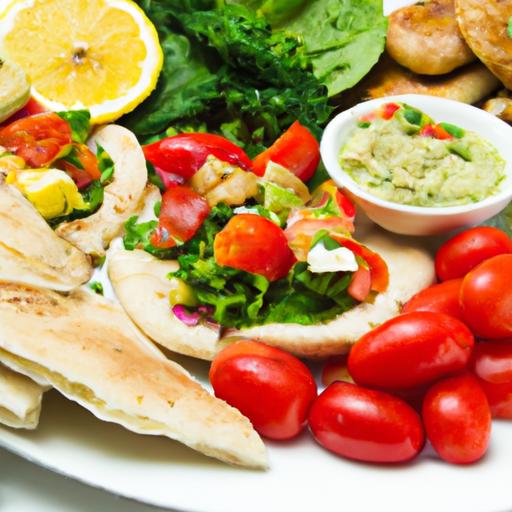
While the bread itself sings with a subtle, wheaty sweetness, the fillings transform your pita into a symphony of textures and flavors.Start with classical Mediterranean fare: creamy hummus,tangy tzatziki,and crisp cucumber slices layered with spiced grilled chicken or falafel balls. For a fresh twist, try roasted vegetables tossed in za’atar or a vibrant beet and feta salad with a lemony drizzle. Don’t underestimate the power of simple garnishes like fresh mint, pickled red onions, or a sprinkle of toasted sesame seeds-they add complexity and visual appeal. These combinations celebrate the diversity and adaptability of pita bread across numerous culinary traditions.
Serving Suggestions
- Warm the pita pockets slightly before stuffing, so they’re pliable and inviting.
- Serve with small bowls of dips-classic hummus, baba ganoush, or smoky harissa-for communal dining.
- Garnish with fresh herbs such as parsley, cilantro, or dill to brighten the dish and add color contrast.
- Pair with a crisp side salad or grilled vegetables to balance textures and flavors.
| Nutritional Info (per pita) | Calories | Protein | Carbs | Fat |
|---|---|---|---|---|
| Classic Pita pocket Bread | 160 | 5g | 33g | 1.5g |

for those interested in deepening their baking journey, explore more about artisan flatbreads on our site, and discover how global traditions shape simple dough into something remarkable.To learn about the origins of pita’s shape and steaming method, the Smithsonian magazine offers an excellent overview of pita bread’s cultural roots.
Q&A
Q&A: Pita Perfection – Unfolding the History of pocket Bread
Q1: What exactly is pita bread, and why is it often called “pocket bread”?
A1: Pita bread is a round, soft flatbread known for its unique pocket-a natural air pocket that forms during baking. This pocket makes it famously perfect for stuffing with all kinds of flavorful fillings. The “pocket bread” nickname comes from this very feature, turning a simple flatbread into a handy, edible sandwich vessel.
Q2: were and when did pita bread originate?
A2: Pita’s roots stretch back thousands of years to the ancient middle East, with early evidence of pocket bread discovered in Mesopotamian and Levantine archaeological sites. While the exact origin date is fuzzy, pita has been a dietary staple for over 4,000 years-making it one of the world’s oldest known flatbreads.
Q3: How does pita bread develop its famous pocket?
A3: The secret lies in the high baking temperature. When pita dough is slapped onto a hot stone or oven surface, the intense heat causes the water inside the dough to turn to steam rapidly. This steam puffs up the dough, creating a pocket as it bakes and cools. Once cooled, the pocket stays hollow, primed and ready for filling.
Q4: Is pita bread unique to Middle Eastern cuisine, or does it have relatives elsewhere?
A4: While pita is quintessentially Middle Eastern, pocket breads exist worldwide. For example, Indian kulcha, North African khobz, and Greek pitas share similarities.Each culture’s version carries distinct ingredients, textures, and shapes, but the concept of a hollow, versatile bread feels like a delicious global language.
Q5: Has pita bread evolved over the centuries?
A5: Absolutely! While the essential technique remains, pita has embraced regional tweaks-different flours, fermentation styles, and baking methods. Modern bakeries also craft whole wheat or flavored pitas, catering to contemporary tastes. despite these evolutions, the beloved pocket remains the defining hallmark.
Q6: Why has pita bread maintained such enduring popularity?
A6: Its simple yet ingenious design makes pita incredibly versatile.It acts as a vessel for fillings, a scoop for dips like hummus, or simply an accompaniment to a meal. Its portability, ease of preparation, and compatibility with flavors from smoky to fresh have kept pita a pantry and plate favorite for millennia.
Q7: Can learning about pita’s history change how we enjoy it today?
A7: Knowing pita’s rich history adds layers of appreciation. Each bite becomes a connection to ancient civilizations and shared human creativity. Whether you’re savoring a falafel wrap or scooping baba ganoush, you’re partaking in a culinary heritage that’s been perfected over thousands of years.
Q8: Any tips for baking pita at home to achieve that perfect pocket?
A8: Yes! Use a very hot oven or baking stone, roll the dough evenly, and avoid overproofing. quick, high heat is key to trapping steam that puffs up the bread. With a sprinkle of patience and practice, you can bake your own pockets of history right in your kitchen.
To Wrap It up
As we close the pages on the story of pita,this humble pocket bread reveals itself not just as a staple of ancient diets but as a delicious testament to human ingenuity and culture. From its origins tucked into the hearths of early civilizations to its starring role on modern tables worldwide, pita has unfolded countless stories with every warm, airy pocket. Whether stuffed, dipped, or simply savored on its own, pita continues to connect us to a rich history-proof that sometimes, the simplest bread holds the deepest layers. So next time you tear open a pita pocket, remember you’re not just about to enjoy a meal; you’re biting into a slice of history baked to perfection.