
There’s a certain magic that happens when fresh basil leaves, pine nuts, garlic, Parmesan cheese, and olive oil come together to create pesto-an emerald-hued sauce bursting with vibrant flavor and rustic charm. But turning that vibrant concoction into the perfect pesto pasta is both an art and a science, a delicate dance between balance, technique, and an understanding of ingredients. In this article, we’ll journey beyond the basic recipe to unlock the secrets behind pesto’s irresistible allure, exploring how each element plays its role and how subtle tweaks can elevate your dish from simple to sublime. Whether you’re a kitchen novice or a seasoned cook,prepare to learn the flavorful symphony that transforms humble pasta into a culinary masterpiece.
Unlocking flavor in pesto pasta begins with the vibrant freshness of ingredients that bring this classic Italian sauce to life. From aromatic basil leaves handpicked at their peak, to perfectly toasted nuts and finely aged cheese, each component must harmonize to elevate the dish from simple to unforgettable. Crafting pesto is not only an art but a joyous science of balancing textures and tastes to achieve that signature sauce which elegantly coats every strand of pasta.
Prep and Cook Time
- Planning: 15 minutes
- Cooking: 10 minutes
- Total Time: 25 minutes
Yield
Serves 4 generously
Difficulty Level
easy to medium – perfect for home cooks who want to impress with fresh, bold flavors
Ingredients
- 2 cups fresh basil leaves, washed and thoroughly dried
- 1/2 cup pine nuts, lightly toasted
- 2 cloves garlic, peeled
- 3/4 cup extra virgin olive oil, cold-pressed
- 1/2 cup freshly grated Parmigiano-Reggiano
- 1/4 cup finely grated Pecorino Romano
- Salt, to taste
- Freshly cracked black pepper, to taste
- 400 grams (14 oz) pasta, preferably trofie or linguine
Instructions
- Prepare the basil: Gently pat the basil leaves dry with paper towels or spin them in a salad spinner. Removing excess moisture is key to a vibrant and non-bitter pesto.
- Toast the nuts: In a dry skillet over medium heat, toast the pine nuts until golden and fragrant, about 3-5 minutes. Stir frequently to prevent burning – this unlocks a deep, nutty aroma.
- Blend the pesto: Combine basil,garlic,and toasted pine nuts in a food processor. Pulse until coarsely chopped.
- Add cheese: Stir in Parmigiano-Reggiano and Pecorino Romano for a balanced sharpness and creaminess.
- Stream in olive oil: With the processor running on low,gradually drizzle the olive oil to emulsify everything into a glossy,rich sauce. Pause to scrape down the sides as needed.
- Season thoughtfully: Taste and add salt and freshly cracked black pepper, keeping in mind the saltiness of the cheese.
- Cook the pasta: Boil salted water and cook pasta al dente. Reserve 1/2 cup pasta water before draining.
- Combine: Toss pasta with the pesto,adding reserved pasta water little by little to achieve the perfect coating without heaviness. Every strand should be luxuriously enveloped in sauce.
Tips for Success
- Peppermint-like basil: use young,tender basil leaves from the top of the plants; mature leaves can taste bitter.
- Nut swaps: if pine nuts are unavailable, walnuts or almonds offer splendid depth, toasted to enhance flavor.
- Cheese matters: Grate cheese fresh for optimal melting and flavor distribution- pre-grated cheese often contains anti-caking agents.
- Prevent browning: Avoid using a blender which can heat and bruise the basil. Food processors with short pulse bursts are best.
- Make ahead: Pesto keeps well refrigerated for up to 3 days. Cover surface with a thin film of olive oil to preserve its brilliant green hue.
Serving Suggestions
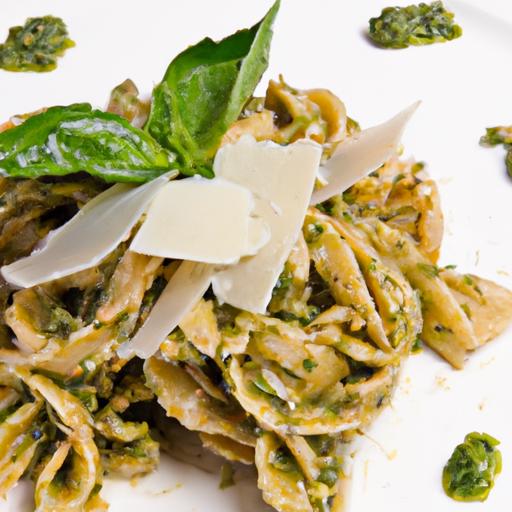
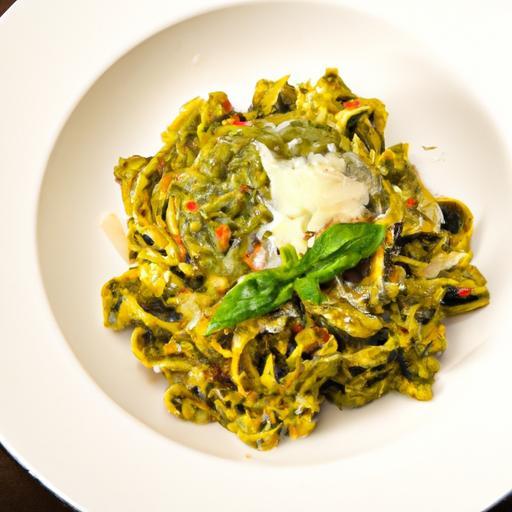
Serve your pesto pasta in warm bowls, topped with slivers of Parmigiano, a drizzle of high-quality olive oil, and a few whole toasted pine nuts for textural contrast. Fresh basil leaves scattered on top brighten the presentation and aroma.
To complement, try a light green salad with lemon vinaigrette or roasted cherry tomatoes to balance the rich sauce. For an elevated dining experience, pair with a crisp, herbaceous Sauvignon Blanc or a chilled Vermentino, whose zesty acidity cuts through the pesto’s richness beautifully.
| Nutrient | Per Serving |
|---|---|
| calories | 490 kcal |
| protein | 15 g |
| Carbohydrates | 56 g |
| Fat | 22 g |
Explore more about Italian herbs to deepen your culinary repertoire and master classic recipes. For further depth on choosing quality olive oils,visit International Olive Council.

Q&A
Q&A: Unlocking Flavor: The Art and Science of Perfect Pesto Pasta
Q1: What makes pesto pasta such a beloved dish around the world?
A1: Pesto pasta captures the essence of simplicity and freshness, combining the vibrant, herbaceous punch of basil with the creamy nuttiness of pine nuts, the sharp tang of Parmesan, and the fruity richness of quality olive oil. This harmonious blend creates a dish that’s both comforting and exciting, appealing to our craving for bold flavors and wholesome ingredients.
Q2: Is there a ‘secret’ to making pesto that truly stands out?
A2: Absolutely! While classic pesto requires just a handful of ingredients, the magic lies in their balance and freshness. Use fresh young basil leaves, lightly toasted pine nuts for depth, freshly grated Parmigiano-Reggiano, and a robust extra virgin olive oil. A gentle touch with salt and a hint of garlic elevate the pesto without overpowering its natural brightness.
Q3: How does the science of flavor explain the appeal of pesto pasta?
A3: Great question! Pesto’s charm comes from its umami-rich Parmesan and aromatic basil, which engage multiple taste receptors. The oil acts as a flavor carrier, dispersing the pesto evenly across the pasta and enhancing our perception of aroma. Additionally, the contrast between the creamy sauce and al dente pasta creates a pleasing texture that our brains interpret as satisfying.
Q4: Can the pesto be tweaked to suit different palates without losing its authentic soul?
A4: Definitely! while basil is the star, swapping or blending it with other herbs like arugula, spinach, or mint can add unique layers. Nuts like walnuts or almonds substitute pine nuts for a budget-friendly twist. Just remember to keep the core idea-fresh herbs, nuts, cheese, oil, and garlic-in balance to maintain that pesto spirit.
Q5: What’s the best pasta shape to pair with pesto,and why?
A5: Pesto loves pasta with nooks and crannies,like trofie,fusilli,or orecchiette. These shapes trap the sauce and ensure each bite bursts with flavor. Thin long pastas like linguine or spaghetti work wonderfully too,as the pesto clings to every strand,creating a luscious coating.
Q6: How can one elevate a classic pesto pasta into a gourmet experience?
A6: Elevation comes from thoughtfully sourced ingredients and mindful additions. Use handpicked fresh basil, artisan olive oil, and aged Parmesan. Toss in sun-dried tomatoes or a sprinkle of toasted breadcrumbs for crunch. A finishing drizzle of lemon zest or a few drops of truffle oil can add intriguing nuances that turn a simple meal into something impressive.
Q7: Any tips to preserve pesto’s freshness if making ahead?
A7: Pesto oxidizes quickly and turns dark, but a surface layer of olive oil acts as a protective barrier. Store it airtight in the fridge and consider adding a squeeze of lemon juice for its antioxidant properties. For longer storage, pesto freezes beautifully in ice cube trays-ready to brighten any pasta dish on a whim.
Q8: Why does freshly made pesto taste so different from store-bought versions?
A8: Store-bought pesto often contains preservatives and lacks the vibrant freshness of just-picked basil and freshly grated cheese. The delicate balance of aromatics and the silky texture of freshly blended nuts and oil is hard to replicate industrially.Making pesto at home lets you tailor every element, preserving that bright, garden-fresh vitality.
Q9: Can pesto pasta be part of a balanced diet?
A9: Yes! When made with wholesome ingredients and paired with whole-grain or legume-based pasta, pesto pasta offers a satisfying dose of healthy fats, protein, and fiber. Basil itself is rich in antioxidants and vitamins. Portion control and ingredient quality are key to turning this indulgence into a nourishing meal.Q10: what’s the most critically important mindset when crafting the perfect pesto pasta?
A10: Embrace creativity and patience. Pesto pasta is both an art and a science-a dance between ingredient quality, technique, and personal taste. Celebrate the process of blending flavors and textures, and don’t be afraid to make the recipe your own. After all, the perfect pesto pasta is the one that delights your senses and warms your soul.
In Summary
As the vibrant aroma of fresh basil and toasted pine nuts lingers in the air, we come to appreciate that perfect pesto pasta is more than just a dish-it’s a harmonious blend of art and science. From selecting the freshest ingredients to mastering the delicate balance of flavors and textures, unlocking the true essence of pesto is a culinary journey that rewards both patience and creativity. Whether you’re a seasoned chef or an adventurous home cook, understanding the nuances behind this classic Italian sauce empowers you to elevate every plate. So,next time you twirl those verdant strands of pesto pasta,remember: it’s not just food-it’s a symphony of nature’s finest elements,thoughtfully crafted to delight your palate and nourish your soul.