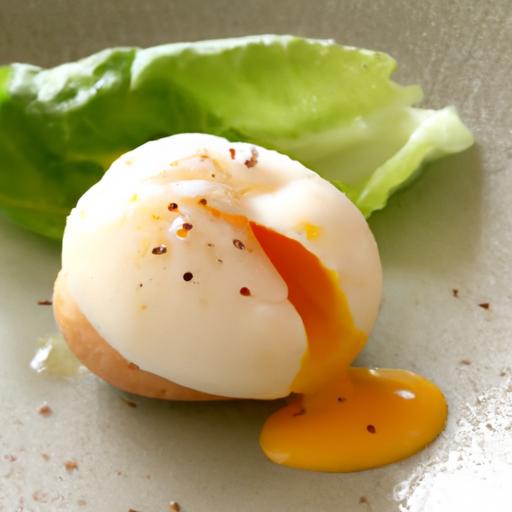

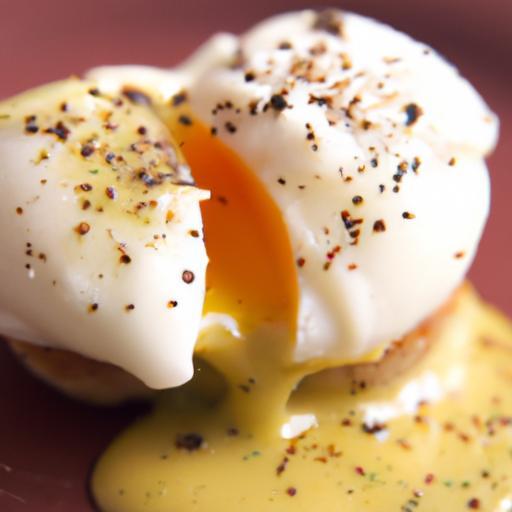
There’s something undeniably magical about the delicate dance of an egg slipping into simmering water,transforming into a tender,silky orb that oozes golden richness with every gentle bite. Perfectly poached eggs are more than just breakfast staples-they’re culinary little masterpieces that elevate any dish from ordinary to extraordinary. Yet, achieving that flawless, savory treat can feel like an elusive art form, leaving many hesitant to try. in this article, we’ll crack the code on how to master the poach, sharing expert tips and simple techniques to help you create those luscious, cloud-like eggs that glide effortlessly onto your toast, salad, or plate. Get ready to elevate your eggs to gourmet status, one silky bite at a time.
Choosing the Freshest Eggs for Flawless Poaching
Perfectly poached eggs begin with selecting the freshest eggs possible-this simple step is essential for achieving delicate,silky whites that embrace the golden yolk without unraveling. Fresh eggs have firmer whites that hold tightly around the yolk, allowing you to create those iconic smooth domes that melt gently on your tongue.
When shopping, look for eggs bottled with recent packing dates and, if possible, opt for organic or free-range varieties for superior flavor and texture.An easy home test involves placing an egg in a bowl of water: eggs that sink flat are the freshest, while those standing upright or floating are older and less ideal for poaching.
Mastering the Gentle Simmer Technique for Ideal Texture
Patience is your best friend when it comes to achieving perfectly poached eggs. Rather than a rolling boil, bringing your water to a gentle simmer creates the calm habitat needed for the whites to cook evenly and tenderly. This method prevents the swirling water from breaking apart your egg’s delicate structure.
Fill a wide, deep pan with water and bring it to a simmer at around 180°F to 190°F (82°C to 88°C)-small bubbles should appear just at the bottom, not erupting to the surface. Adding a splash of white vinegar (about a tablespoon per 4 cups of water) encourages the proteins in the egg white to coagulate faster, giving perfectly shaped eggs every time.
Secrets to vinegar and Salt Use for Perfect Egg Whites
While vinegar is a classic poaching aid, balancing its use with a pinch of salt can create an ideal environment to enhance flavor and firmness. The acid from vinegar accelerates the egg white’s coagulation, preventing wispy, feathered edges, while salt enhances natural taste without overpowering.
Use just enough vinegar to gently acidify the water without imparting a vinegar flavor-in general, 1 to 2 teaspoons per quart of water works beautifully. Salt can be added to taste after cooking to preserve the egg’s tender texture.
Creative Serving Ideas to Elevate Your Poached Egg Experience
Once you’ve mastered perfectly poached eggs, the possibilities for serving become endless and exciting. For a savory brunch twist, nestle your silky eggs atop toasted sourdough with smashed avocado, a sprinkle of chili flakes, and microgreens. Drizzle with a tangy hollandaise or a vibrant pesto for a palate-pleasing harmony of richness and freshness.
Consider layering poached eggs on a bed of sautéed garlic spinach and roasted cherry tomatoes for a nutrient-packed plate bursting with color and flavor. For a decadent touch, pair them with smoked salmon and dill on crisp crackers or creamy polenta rounds.
Don’t forget the final flourish-freshly cracked black pepper, flaky sea salt, or a gentle splash of infused olive oil add the perfect finishing flair.
Prep and Cook Time
- Preparation: 5 minutes
- Cooking: 4-5 minutes per egg
- Total Time: 10 minutes
Yield
Serves 2 (1 egg per person)
difficulty Level
Easy to Medium – Perfect for beginners with a little patience
Ingredients
- 2 fresh large eggs
- 4 cups water
- 1 to 2 teaspoons white vinegar (preferably distilled or white wine vinegar)
- Pinch of fine sea salt
- Optional garnishes: cracked black pepper, fresh herbs, chili flakes, olive oil
Instructions
- Fill a deep sauté pan or saucepan with 4 cups of water and vinegar. Bring it to a gentle simmer over medium-low heat; aim for small bubbles forming on the bottom but not boiling vigorously.
- Crack one fresh egg into a small bowl or ramekin to ensure the yolk remains intact.
- Create a gentle whirlpool by stirring the simmering water in one direction.This helps wrap the egg white neatly around the yolk.
- Slowly slide the egg from the bowl into the center of the whirlpool.
- Let it poach undisturbed for 3 to 4 minutes, maintaining the gentle simmer. The whites should set fully but still be tender, and the yolk soft and runny.
- Using a slotted spoon, carefully lift the egg from the water, letting excess water drip off.
- Place the poached egg on a paper towel-lined plate for a few seconds to drain any residual water.
- Repeat for the second egg, making sure the water temperature remains steady by adjusting the heat as needed.
Chef’s Notes
- for firmer yolks, poach for an additional 1 minute.
- If spreading or wispy whites appear, strain the egg mixture through a fine sieve before cracking the egg into the water.
- Use a wide pan to poach eggs one at a time easily and avoid overcrowding.
- perfectly poached eggs can be gently reheated by dipping briefly in warm water before serving.
- Experiment with flavored vinegars like herb-infused or champagne vinegar for subtle aromatic twists.
Serving Suggestions
- Place poached eggs on toasted artisanal bread with smashed avocado and a sprinkle of chili flakes for a modern brunch.
- Top a vibrant salad of baby spinach, roasted beets, and walnuts with the eggs for a protein-packed lunch.
- Serve alongside crispy bacon or smoked salmon with dill and lemon zest for a luxurious breakfast plate.
- Drizzle with homemade hollandaise sauce or a dash of truffle oil for extra decadence.
- Garnish with microgreens, edible flowers, or a dusting of smoked paprika for gorgeous presentation.
| Nutrient | Amount per Egg |
|---|---|
| Calories | 70 kcal |
| protein | 6 g |
| Carbohydrates | 0.4 g |
| Fat | 5 g |

Ready to explore more egg-citing recipes? Check out our guide on Easy Scrambled egg Recipes for fast, comforting meals.
For further scientific insight on egg poaching, visit the Science of Poached Eggs at Serious Eats.
Q&A
Q&A: Perfectly Poached Eggs – Tips for a Silky, Savory Treat
Q1: Why is poaching eggs considered a culinary art?
A1: Poaching eggs is a delicate dance between water, heat, and time. Unlike frying or scrambling, poaching involves gently cooking the egg in simmering water without a shell, preserving its silky whites and runny yolk. achieving that tender, cloud-like white wrapped around a golden center requires patience and precision-making it as much art as science.
Q2: What’s the secret to getting those smooth, pristine egg whites?
A2: the key lies in water temperature and motion. Keep the water at a gentle simmer-not boiling-to avoid agitating the egg into frayed edges. Adding a splash of vinegar helps the egg whites coagulate quickly, while a gentle whirlpool can encourage the whites to wrap neatly around the yolk, creating that perfect tear-drop shape.
Q3: How fresh should my eggs be for poaching?
A3: The fresher, the better! fresh eggs have firmer whites that hold together beautifully during poaching.Older eggs tend to have watery whites that spread out in the water,leading to less appetizing,wispy results. To test freshness, place an egg in a bowl of water-if it sinks and lays flat, it’s good to go.
Q4: Can I poach multiple eggs at once without them sticking together?
A4: Absolutely! Use a wide, shallow pan and space eggs apart to give them room to cook individually. lower eggs gently into the water with a slotted spoon or small bowl. Resist the urge to crowd the pan; overcrowding disrupts temperature and can cause eggs to meld.
Q5: How do I know when my poached eggs are perfectly done?
A5: Timing is your best friend. Around 3 minutes usually yields a silky white with a runny yolk. If you want a firmer yolk, extend to 4 or 5 minutes.The egg whites should be set but tender, enveloping a yolk that wobbles slightly when nudged.
Q6: What are some creative ways to serve poached eggs?
A6: Poached eggs are endlessly versatile.Top them on a bed of sautéed spinach and toast for a healthy breakfast, crown a grain bowl with zesty avocado, or add them atop crispy bacon and hollandaise for an indulgent Eggs Benedict. The velvety yolk acts as a natural sauce,elevating any dish it touches.
Q7: Any quick fixes if my poached egg falls apart?
A7: Don’t panic! If your egg white trails in the water or breaks up, use a slotted spoon to gather the pieces and gently shape them into a neat bundle. Serve immediately with a sprinkle of salt and pepper. Practice makes perfect-each attempt sharpens your poaching skills.
Ready to master the art of poached eggs? With these tips, you’ll create silky, savory delights that make every breakfast feel special. Happy poaching!
In Summary
Mastering the art of the perfectly poached egg transforms a simple breakfast into a breakfast masterpiece. With these tips in your kitchen arsenal, you’re no longer at the mercy of swirling pots or runaway yolks.Each silky, savory bite becomes an invitation to savor the simplicity and elegance of this timeless dish.so next time you crack an egg into simmering water, remember: patience, gentle technique, and a little love are all it takes to create that flawless, luscious poached egg that elevates any meal from ordinary to extraordinary.Happy poaching!