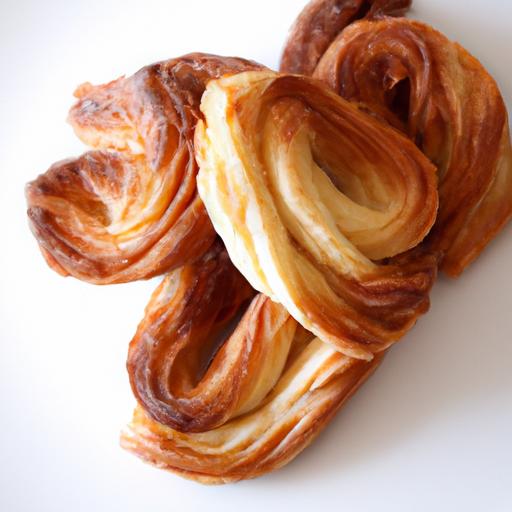

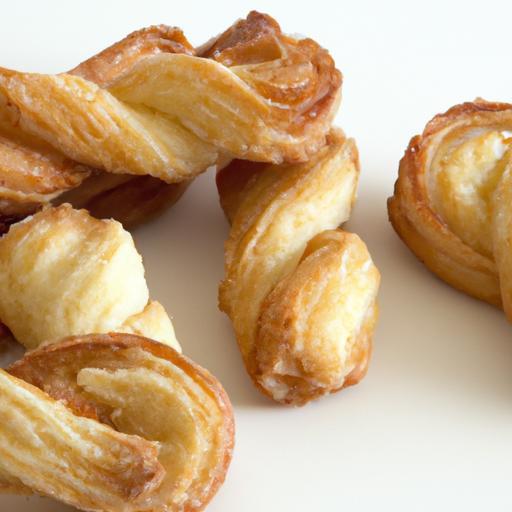
There’s a certain magic in the way a simple sheet of puff pastry can transform into a golden, crispy symphony of flavor. Enter the palmier: a French pastry that unfolds layers of buttery, caramelized goodness with every bite. Often overlooked in the shadow of more elaborate desserts, palmiers bring a perfect balance of crunch and sweetness, wrapped in an elegant, palm leaf-shaped spiral that’s as delightful too look at as it is to taste. In this exploration of “palmiers Unfolded: The Crispy French Pastry Delight,” we’ll dive into the history, technique, and irresistible charm of this classic treat that continues to captivate pastry lovers around the world.
Origins and History of Palmiers: Discovering the Classic french Technique, Secrets to Achieving Perfect Flaky Layers & Baking Tips for Crispy and Golden Palmiers
Palmiers Unfolded: The Crispy French Pastry Delight invites you on a delightful journey that begins in the heart of French patisserie tradition. These charming, golden, heart-shaped pastries have enchanted pastry lovers for centuries, with roots tracing back to early 20th-century France. Originally known as “palm leaves” or oreilles de chat (cat’s ears), the crisp, caramelized layers showcase a timeless technique that blends precision and artistry.
As a culinary content creator and food stylist, I’ve always been captivated by how a few simple ingredients-flour, butter, sugar, and time-transform into these irresistible flaky jewels. The magic lies not only in the buttery, crisp texture but also in mastering the classic French lamination process that creates layers that practically melt on the tongue.
Prep and cook Time
- Prep Time: 25 minutes
- Resting & Rolling Time: 1 hour (includes chilling)
- Baking Time: 12-15 minutes
- Total Time: Approximately 1 hour 40 minutes
Yield
Makes 24 golden palmiers, perfect for sharing with friends or afternoon tea.
Difficulty Level
Medium – Requires some patience with chilling and rolling, but beginner bakers will find detailed steps approachable and rewarding.
Ingredients
- 1 cup (125g) all-purpose flour, sifted
- 6 tbsp (85g) unsalted butter, chilled and cubed
- 1/2 cup (100g) granulated sugar, plus extra for coating
- 1/4 tsp fine sea salt
- Optional: 1 tsp vanilla extract or ground cinnamon for flavor variations
Instructions
- Prepare your workspace. Lightly flour a large clean surface to prevent sticking. Keep all ingredients cold to help achieve flaky layers.
- Create the dough. Combine the sifted flour, salt, and 1/2 cup sugar in a mixing bowl. Add the cold cubed butter, then use your fingertips or a pastry cutter to blend until the mixture resembles coarse crumbs with pea-sized bits of butter.
- Form the dough. Slowly add 2-3 tbsp of cold water, mixing gently just until it comes together into a rough dough. Avoid overworking-flaky texture depends on the butter bits.
- Chill. Wrap the dough in plastic wrap and refrigerate for at least 30 minutes. This resting step is crucial for firming up the butter chunks.
- roll out the dough. On a floured surface, roll the dough into a long rectangle approximately 12 x 8 inches (30 x 20 cm). The rectangle shape is key to folding and creating layers.
- Add sugar for caramelized crunch. Evenly sprinkle a few tablespoons of granulated sugar over the dough’s surface.
- Fold to create layers. Gently fold the long edges inward so they meet in the center, then fold the dough in half like a book. chill the folded dough for another 15-20 minutes to solidify layers before slicing.
- Slice the pastry. Using a sharp knife, cut ¼-inch (6 mm) thick slices from the folded log. Arrange each slice on a baking sheet lined with parchment paper, spacing apart to allow expansion.
- Final sugar coating. lightly sprinkle granulated sugar over the tops for extra caramelization during baking.
- Bake. Preheat your oven to 400°F (200°C).Bake palmiers for 12-15 minutes, rotating the tray halfway, until pastries are puffed, glossy, and deeply golden-brown.
- Cool and enjoy. Transfer to a wire rack and let cool wholly. This prevents sogginess and locks in crunch.
chef’s Notes: Tips for Success
- Butter temperature matters: Keep your butter cold, but pliable enough to knead without melting. This helps build the delicate, crisp layers.
- Sifting flour: Sifting aerates the flour, making it lighter and creating a more tender crumb in your palmiers.
- Don’t rush resting times: chilling between steps solidifies the butter and prevents shrinking or spreading when baked.
- Variations: Experiment by sprinkling cinnamon sugar or finely chopped nuts between folds for a delightful twist.
- Make-ahead: Palmiers dough can be chilled overnight; slice and bake as desired for fresh,crispy results.
- Troubleshooting: If layers feel dense, ensure you haven’t overworked the dough, and maintain butter in chunks throughout mixing.
Serving Suggestions
serve your freshly baked palmiers alongside a steaming cup of coffee or fragrant tea. For an indulgent touch, drizzle with dark chocolate or dust lightly with powdered sugar. Garnish with fresh raspberries or a sprig of mint to add vibrant color and brighten the plate. Perfect for breakfast, brunch, or as an elegant dessert with a dollop of crème fraîche or whipped cream.

| Nutritional Info (per 2 Palmiers) | Amount |
|---|---|
| Calories | 150 kcal |
| Protein | 2 g |
| Carbohydrates | 20 g |
| Fat | 7 g |
Expand your French pastry repertoire by checking out our Classic French Croissants Recipe for more flaky delights. For an authoritative history and customary pastry techniques, the Le Cordon Bleu pastry archives offer interesting insights.
Q&A
Q&A: Palmiers Unfolded - The Crispy French Pastry delight
Q1: What exactly is a palmier?
A palmier is a quintessentially French pastry known for its crisp, flaky texture and its elegant, heart-shaped or butterfly-like form. Made from puff pastry rolled in sugar and baked until golden and caramelized,palmiers offer a perfect harmony of buttery richness and sweet crunch.
Q2: Where does the name “palmier” come from?
the word “palmier” translates to “palm tree” in French. The pastry’s shape is said to resemble the fronds of a palm leaf,lovingly folded and splayed like the delicate leaves of this iconic tree. In some cultures, it’s also called “elephant ears” due to its rounded, ear-like shape.
Q3: What makes palmiers so crispy and delightful?
The secret lies in the layering technique of puff pastry-a delicate dance of folding and rolling butter into dough to create hundreds of paper-thin layers. When baked with sugar sprinkled between folds,the sugar caramelizes and crisps up,crafting a butterfly of crunch with every bite.
Q4: How versatile are palmiers? Can they be flavored?
Absolutely! While the classic palmier is simply sugared, adventurous variations incorporate cinnamon, chocolate, or even savory ingredients like herbs and cheese. Some bakers experiment with fruit glazes or nuts, turning this humble French treat into a canvas of flavor.
Q5: Are palmiers difficult to make at home?
Not at all-especially if you start with ready-made puff pastry. The trick is in the rolling, folding, and slicing. with a little patience and precision, home bakers can create palmiers that rival those from Parisian patisseries, delighting friends and family with their crisp charm.
Q6: When is the best time to enjoy a palmier?
Palmiers are perfect any time of day-as a morning pastry companion to coffee, an afternoon tea-time treat, or a light, crispy dessert after dinner. Their delicate sweetness and satisfying crunch make them an irresistible snack whenever you crave a little French elegance.
Q7: How can palmiers be stored to maintain their crispness?
To keep palmiers crispy, store them in an airtight container at room temperature. avoid refrigeration, which can introduce moisture and soften that signature crunch. If they lose crispness, a rapid reheat in a warm oven for a few minutes can revive their fresh-baked magic.
Q8: What makes palmiers a timeless pastry favourite?
Palmiers embody simplicity and sophistication-minimal ingredients transformed through technique into a pastry that’s both visually stunning and deliciously satisfying. Their effortless elegance and addictive crispness have made them a beloved staple in French baking repertoires for centuries.
Closing Remarks
As the flaky layers of a palmier unfold in your mouth, you’re not just tasting a pastry-you’re savoring a slice of French culinary artistry that has withstood centuries of change. From humble beginnings as simple sugar and dough transformed by a delicate fold, palmiers continue to captivate with their buttery crispness and elegant shape.Whether enjoyed as a morning treat with coffee or a sweet finale to an afternoon tea, these golden delights remind us that sometimes, the simplest ingredients and techniques create the most timeless pleasures. So next time you seek a bite that marries tradition with irresistible crunch, let the palmier be your flaky ambassador to the world of French pastry magic.