
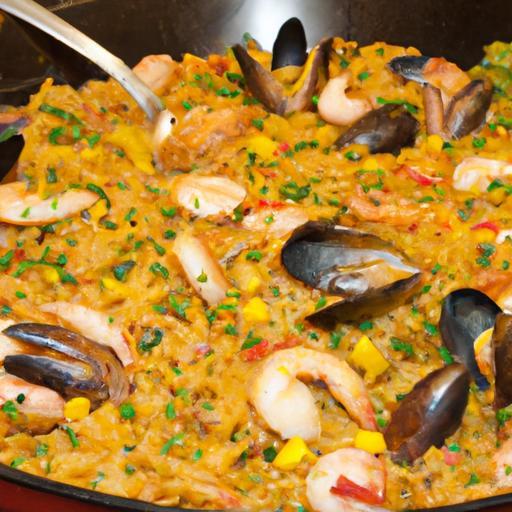
In the vibrant mosaic of Spanish cuisine, few dishes capture the essence of culture, community, and culinary craftsmanship quite like paella. More than just a meal,paella is a colorful festivity simmering with history,tradition,and a symphony of flavors that dance on the palate. From the sun-drenched fields of Valencia to bustling city tables, this iconic dish tells a story of regional pride and timeless technique. Join us as we unveil the rich tapestry behind Spain’s beloved paella-were every grain of saffron-infused rice and every carefully chosen ingredient reveals a legacy steeped in passion and flavor.
Paella is much more than a dish; it’s a vibrant celebration of Spain’s rich culinary heritage that transcends centuries. Originating from the Valencian region, this iconic recipe has blossomed into a beloved symbol of Spanish culture and communal joy. paella Unveiled invites you to dive into its captivating history, discover the authentic ingredients defining its soul, and master the art of crafting the perfect traditional paella that bursts with color, texture, and flavor.
Prep and Cook Time
- Preparation: 20 minutes
- Cooking: 45 minutes
- Total: 65 minutes
Yield
- Serves 4 to 6 people
difficulty Level
- medium - ideal for home cooks ready to embrace a flavorful challenge
Ingredients
- 2 cups Bomba rice (or any short-grain rice specially used for paella)
- 4 cups homemade chicken broth, heated
- 1/4 teaspoon saffron threads, infused in warm broth
- 1/4 cup extra-virgin olive oil
- 1 medium onion, finely chopped
- 3 cloves garlic, minced
- 1 red bell pepper, sliced
- 2 medium ripe tomatoes, grated or finely chopped
- 1 teaspoon smoked paprika
- 8 large raw shrimp, peeled and deveined
- 8 mussels, cleaned and debearded
- 1/2 pound chicken thighs, cut into bite-sized pieces
- 1/2 cup frozen peas
- Salt and freshly ground black pepper, to taste
- Fresh parsley, chopped for garnish
- Lemon wedges, for serving
Step-by-Step Guide to Crafting the Perfect Traditional Paella
- Prep the saffron infusion: Warm the chicken broth gently and stir in the saffron threads to release their golden color and fragrant aroma. Set aside, keeping it warm throughout cooking.
- Sear the protein: In a wide, flat paella pan over medium-high heat, heat the olive oil. Brown the chicken pieces untill golden on all sides, about 5-7 minutes. Add salt and pepper. Remove and set aside.
- Sauté the aromatics and vegetables: Lower the heat to medium and add onion, garlic, and bell pepper to the pan. Cook until soft and translucent,about 5 minutes. stir in the smoked paprika and grated tomato, cooking until the mixture thickens and deepens in color, about 8 minutes.
- Add the rice: Pour in the Bomba rice and gently stir for 2 minutes, allowing the grains to toast slightly and absorb the sofrito base.
- Introduce the broth: Slowly pour in the warm saffron-infused broth. Spread the rice out evenly but avoid stirring from this point-this helps develop the prized socarrat crust at the base.
- Return the chicken and add seafood: nestle the browned chicken pieces back into the rice. Arrange shrimp and mussels artfully on top. Sprinkle peas evenly.
- Simmer gently: Reduce heat to medium-low, letting the paella cook steadily for 20-25 minutes. Watch for the rice to soak up the broth without stirring. If broth runs low before the rice is finished, add a little more hot water sparingly.
- Create the socarrat: In the last 5 minutes, increase heat to medium-high for 1-2 minutes to crisp the rice bottom, then promptly remove from heat to prevent burning.
- Rest and garnish: Cover the paella pan loosely with foil or a clean kitchen towel. Let it rest for 5-10 minutes. Garnish with chopped parsley and lemon wedges before serving.
Tips for Success and Elevating Your Paella Experience
- Rice choice matters: Using authentic short-grain Bomba rice guarantees perfect absorption and texture, preventing mushiness.
- Saffron’s magic: Infuse it properly to unlock its flavor. Substitute with turmeric only in emergencies, for color but expect a milder taste.
- Avoid stirring once the broth is added. This honors paella’s tradition and secures the coveted crispy socarrat crust.
- Control heat: Maintain a steady simmer; too high will burn the rice, too low leaves it undercooked.
- Seafood variation: Feel free to swap shrimp and mussels for clams, squid, or langoustines depending on regional availability.
- Make ahead tips: Prepare the sofrito base and broth a day before to build deeper flavor. assemble and cook the paella fresh for ideal texture.
- Pairings: Brighten your meal with a chilled Spanish white wine like Albariño or a crisp rosé. Serve with rustic crusty bread to sop up every flavorful morsel.
Serving Suggestions
Present your paella straight from the pan at the table, allowing guests to savor the vibrant medley of colors and aromas. Garnish liberally with fresh parsley and offer lemon wedges for an optional zest of brightness. Complement with a simple green salad dressed in sherry vinegar and extra-virgin olive oil. Adding a side of classic Spanish tapas enhances the convivial experience.
| Nutrient | Per Serving |
|---|---|
| Calories | 480 kcal |
| protein | 35 g |
| Carbohydrates | 55 g |
| Fat | 12 g |

Q&A
Q&A: Paella Unveiled – Spain’s Iconic Dish of Flavor and Tradition
Q1: What exactly is paella, and why is it so renowned in Spanish cuisine?
A1: Paella is much more than a simple rice dish; it’s a vibrant celebration of spanish culture, particularly from the Valencia region. traditionally cooked outdoors over an open fire in a wide, shallow pan called a paellera, paella marries saffron-infused rice with an array of fresh, local ingredients-from succulent seafood to hearty meats and garden vegetables. Its rich aromas and colorful presentation have made it a symbol of Spanish culinary artistry and communal gatherings.
Q2: Where did paella originate, and how has it evolved over time?
A2: The roots of paella trace back to the agricultural heartlands of Valencia in eastern Spain. Initially conceived by farm workers who cooked rice with whatever ingredients were at hand-rabbit, snails, beans-the dish was humble yet nourishing. Over centuries, paella evolved into various versions, embracing coastal seafood varieties and modern twists, yet it remains deeply rooted in tradition and regional pride.
Q3: What are the essential ingredients that define an authentic paella?
A3: At its core,authentic paella relies on three stars: Bomba rice (a short-grain variety that absorbs flavors without turning mushy),high-quality saffron which imparts the coveted golden hue and subtle aroma,and a medley of fresh local ingredients-be it rabbit and chicken in the classic Valencian paella or a bounty of shrimp,mussels,and calamari in the seafood paella de mariscos. The dance of ingredients is always harmonized by the smoky,caramelized crust known as socarrat that forms on the pan’s base.
Q4: What makes the preparation of paella unique compared to other rice dishes?
A4: Unlike many rice dishes where stirring is key, paella demands patience and restraint. Once the rice and broth meld, stirring stops to allow the rice to cook evenly and develop that prized socarrat-a crispy, toasted bottom layer that offers a delightful textural contrast. Cooking paella in a special shallow pan over an open flame encourages even heat distribution, creating a symphony of flavors that is as much about technique as it is about ingredients.
Q5: Can paella be made outside of Spain while staying true to its traditions?
A5: Absolutely! While the ambiance of Valencia adds charm,paella’s magic lies in its technique and ingredient integrity,which can be replicated worldwide. The key is sourcing quality ingredients, respecting cooking methods, and embracing the communal spirit. Hosting a paella feast around a well-heated pan with friends or family captures more than just the taste-it embodies the convivial heart of Spain itself.
Q6: Why is paella considered a communal dish,and how is it typically enjoyed?
A6: Paella shines as a communal experience-its large,shallow pan is designed for sharing. Traditionally, it’s served directly from the pan placed in the center of the table, inviting everyone to dive in together. This encourages conversation, connection, and celebration, embodying the Spanish ethos of life-fiesta, flavor, and fellowship.
Q7: Are there any modern variations of paella that reflect today’s culinary trends?
A7: Indeed, chefs worldwide experiment with paella by incorporating plant-based proteins, exotic spices, or fusion elements while honoring its essence. Vegan versions with artichokes, mushrooms, and smoky paprika, or surf-and-turf blends combining traditional meats with fresh seafood, offer exciting reinterpretations. Yet, these innovations still pay homage to paella’s foundational celebration of regional flavors and shared moments.Q8: How can someone new to paella best experience and appreciate this iconic dish?
A8: To truly appreciate paella, seek out a traditional preparation-whether at a local Spanish restaurant or a community cooking event. observe the art of layering flavors, the saffron’s golden glow, and the joyful atmosphere it fosters. Better yet, roll up your sleeves and try making it yourself-a labor of love that rewards with more than just a meal, but a doorway into Spain’s rich culinary heritage.
To Wrap It Up
As the final grains of saffron-infused rice settle on your plate, paella reveals itself not just as a dish, but as a vibrant tapestry woven from Spain’s rich history, diverse regions, and spirited communal traditions. Each generous spoonful tells a story-of sun-soaked fields, bustling markets, and the hands of generations who have perfected this culinary masterpiece. Whether savored seaside in Valencia or recreated in your own kitchen, paella invites you to partake in a timeless celebration of flavor, culture, and togetherness. So next time you dive into this iconic dish, remember: your not just tasting food, you’re experiencing a cherished slice of Spain’s soul.