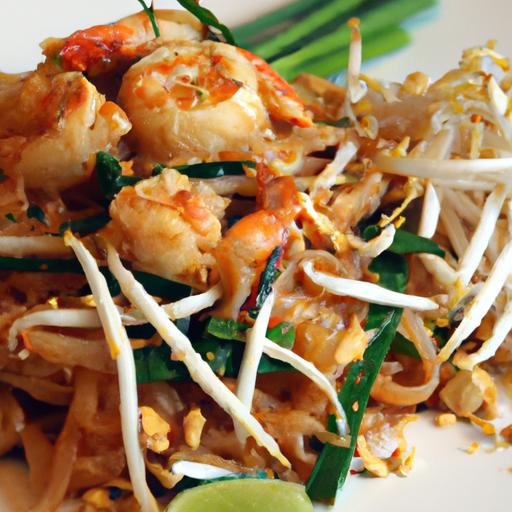

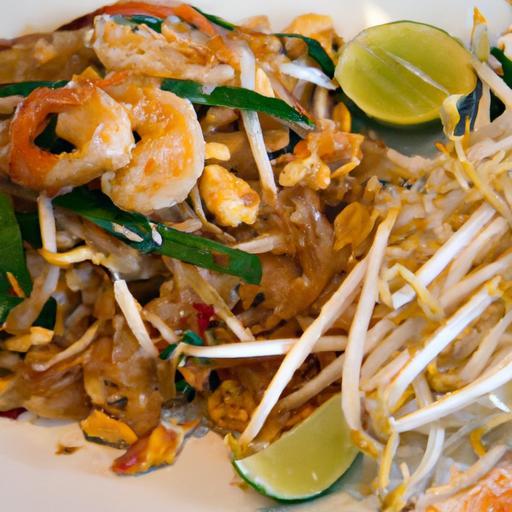
Beneath the bustling streets of Bangkok and the vibrant markets of Chiang mai lies a culinary treasure that has captured the hearts-and palates-of food lovers worldwide: Pad Thai. This iconic Thai dish,a harmonious blend of bold flavors,textures,and aromas,tells a story far richer than its humble ingredients suggest. In “Pad Thai Unveiled: A Savory Journey Through Thailand’s Iconic Dish,” we embark on a flavorful exploration that peels back the layers of history, culture, and culinary artistry behind this beloved street food classic. From sizzling woks to the delicate balance of tamarind and peanuts, join us as we dive into the essence of what makes Pad Thai not just a meal, but a symbol of Thailand’s vibrant gastronomic heritage.
The Origins and Cultural Significance of Pad Thai
Pad Thai Unveiled brings you face to face with one of Thailand’s most beloved culinary treasures.This iconic stir-fried noodle dish, with its complex layers of flavors and textures, is much more than just street food-it’s a cultural emblem. Originating in the mid-20th century during a period of Thai nationalism, Pad Thai was championed by Prime Minister Plaek phibunsongkhram as a symbol of modern Thai identity and economic resilience. The dish blends influences from Chinese stir-frying techniques with quintessential Thai ingredients-balancing sweet, sour, salty, and umami in every tantalizing bite.
For many locals, Pad Thai is a comfort food that evokes street-side vendors bustling with sizzling woks and vibrant markets alive with the aroma of tamarind and roasted peanuts. It speaks to the heart of Thailand’s diverse culinary heritage, emphasizing simplicity, seasonality, and harmony. Whether enjoyed on the bustling streets of Bangkok or prepared in a home kitchen, Pad Thai showcases not just Thailand’s rich flavors but its spirit.
Mastering the Essential Ingredients and Flavors
At the core of every impeccable Pad Thai lies a balance of fresh,vibrant ingredients creating a symphony of taste and texture. The star ingredient is, of course, the rice noodles-thin, flat, and supple, they absorb the stir-fry sauce beautifully.The sauce itself is a blend of tamarind paste for tanginess, fish sauce lending savory depth, palm sugar adding a subtle sweetness, and a dash of chili flakes for a gentle heat. Add to that crisp bean sprouts, earthy tofu or succulent shrimp, fresh garlic, and the nutty crunch of roasted peanuts. A squeeze of lime at the end enlivens the dish with citrus brightness, making it refreshingly addictive.
Understanding these components is essential for replicating the authentic flavors. Each element must complement without overpowering, creating a dish that’s complex yet comforting, bright yet soulful.
Prep and Cook Time
- Planning Time: 15 minutes
- Cooking Time: 10 minutes
- Total Time: 25 minutes
Yield
Serves 3-4 people generously
difficulty Level
Medium – Requires multitasking but beginner-amiable with attention to timing
Ingredients
- 200g dried flat rice noodles, soaked in warm water for 30 minutes
- 2 tablespoons tamarind paste
- 3 tablespoons fish sauce
- 1½ tablespoons palm sugar, grated or chopped finely
- 2 tablespoons vegetable oil or peanut oil
- 3 cloves garlic, minced
- 200g firm tofu, cut into small cubes
- 150g fresh shrimp, peeled and deveined (optional)
- 2 large eggs
- 1 cup bean sprouts, washed
- ¼ cup chopped scallions
- ¼ cup roasted peanuts, crushed
- 1 lime, cut into wedges
- 1 teaspoon chili flakes, or to taste
Step by Step Guide to Authentic Pad Thai Preparation
- Prepare the noodles: Soak the dried rice noodles in warm water for 30 minutes or until pliable but not too soft.Drain and set aside.
- Mix the sauce: in a small bowl, whisk together tamarind paste, fish sauce, and palm sugar until the sugar dissolves completely. Adjust balance to taste-more sugar for sweetness, tamarind for tang.
- Heat the wok: Warm the vegetable oil in a wok or large skillet over medium-high heat. add the minced garlic and sauté until fragrant but not browned, about 30 seconds.
- Cook tofu and shrimp: Add tofu cubes and shrimp to the wok. Stir-fry until shrimp turns pink and tofu edges crisp slightly, about 2-3 minutes.
- Egg scramble: Push ingredients to one side.Crack the eggs into the empty side of the wok and scramble quickly until just set.
- Add noodles and sauce: Toss in the softened noodles, pouring the tamarind sauce over them. Stir-fry vigorously, ensuring every strand is coated evenly – about 2-3 minutes. Be careful not to overcook; noodles should remain tender with a slight bite.
- Finish with veggies and garnishes: Fold in the bean sprouts and scallions, stir just to combine-they should stay crisp.
- Serve immediately: Plate the Pad Thai and sprinkle generously with crushed roasted peanuts, chili flakes, and a wedge of lime on the side.
Tips for Success
- Noodle texture: Do not over-soak noodles; they’ll continue cooking in the wok, avoiding mushiness.
- Balance flavors: The essence of Pad Thai lies in balancing sour tamarind, salty fish sauce, and sweet palm sugar. Taste and adjust when mixing the sauce.
- High heat: Cooking over high heat helps develop flavor and prevents sogginess.
- Protein swaps: Substitute shrimp with chicken, pork, or keep it vegetarian by adding more tofu and mushrooms.
- Make ahead: Prepare sauce and chop ingredients in advance for a quick, fresh stir-fry.
Serving Suggestions
Serve your Pad thai hot and fresh, accompanied by fresh lime wedges for spritzing. Garnish with a sprinkle of crushed peanuts and a few sprigs of cilantro or Thai basil for herbal brightness. Pair with an iced Thai tea or a crisp lager to complement the dish’s bold flavors. This dish is perfect for casual gatherings or impressing guests with authentic Thai flair.

Top Regional Variations and Where to Taste Them
Across Thailand, Pad Thai manifests in delightful regional interpretations worth exploring. In Bangkok, the classic street-style version features shrimp and tofu with a perfectly balanced tamarind sauce. Northern Thailand introduces gai yang (grilled chicken) twists, while in the central region, you’ll find versions complemented by fresh crab meat. The southern provinces add a fiery punch with extra chilies and sometimes coconut milk for subtle creaminess.
To experience the essence of Pad Thai, visit bustling street markets like Bangkok’s Wang Lang or Chiang Mai’s Night Bazaar, where vendors carry the tradition forward with passion. For an elevated experience, renowned restaurants such as Thip Samai in Bangkok have perfected recipes that honor the dish’s heritage while showcasing culinary artistry.
| nutrient | Per Serving |
|---|---|
| Calories | 420 kcal |
| Protein | 22g |
| Carbohydrates | 45g |
| Fat | 15g |
To dive deeper into Thai food culture and other authentic recipes, explore our Thai Cuisine Basics guide. For more history and culinary context on Pad Thai, the Encyclopaedia Britannica entry offers excellent insights.
Q&A
Q&A: Pad Thai Unveiled – A Savory Journey through Thailand’s Iconic Dish
Q1: What makes Pad Thai such a beloved dish in Thailand and around the world?
A: At its heart, Pad Thai is a harmonious melody of flavors-sweet, sour, salty, and umami-that come together in a tantalizing dance on the palate. Its vibrant street food roots, quick cooking methods, and the versatility of ingredients create an accessible yet unforgettable dish. From the sizzling wok to the final sprinkle of crushed peanuts, each bite tells a story of Thai culture and culinary artistry.
Q2: Where did Pad Thai originate, and how did it become so popular?
A: Pad Thai’s origins trace back to the mid-20th century when the Thai government, aiming to boost national pride and food self-sufficiency, encouraged its citizens to embrace rice noodles over rice. Vendors on the bustling streets of Bangkok perfected this stir-fried noodle dish, mixing local flavors with Chinese culinary techniques. Its affordability, quick preparation, and bold taste propelled Pad Thai into a beloved national treasure.
Q3: What are the essential ingredients that define Pad Thai?
A: The classic Pad Thai features flat rice noodles stir-fried with eggs, tofu or shrimp, tamarind paste, fish sauce, palm sugar, garlic, and dried shrimp. It’s traditionally garnished with crushed peanuts, fresh lime wedges, bean sprouts, and sometimes fresh chives or cilantro. The secret is balancing these elements to achieve that signature sweet, sour, salty, and savory harmony.
Q4: Can Pad Thai be customized to suit different tastes or dietary preferences?
A: Absolutely! Pad Thai is wonderfully adaptable. vegetarians and vegans can replace meat or seafood with tofu or mushrooms and swap fish sauce for soy or tamari sauce. Spice lovers can elevate the dish with extra chili flakes or fresh bird’s eye chilies. Some modern twists even incorporate quinoa or spiralized vegetables, blending tradition with innovation without losing the soul of the dish.
Q5: How does the cooking technique contribute to the final flavor of Pad Thai?
A: the magic of Pad Thai happens over high heat in a hot wok, where “wok hei” – the breath of the wok – imparts a subtle smoky char and depth to the noodles. Stir-frying swiftly ensures the noodles are tender yet slightly chewy, the eggs are scrambled just right, and every seasoning is evenly infused. This rapid dance of ingredients under intense heat creates the dish’s quintessential texture and flavor complexity.Q6: Why is Pad Thai frequently enough served with lime and crushed peanuts?
A: The squeeze of fresh lime juice adds a bright, tangy contrast that cuts through the richness of the noodles and oils, lifting the flavors to vivid heights. Crushed peanuts contribute a contrasting crunch and a nutty earthiness that balances the dish’s soft textures and sweet-sour notes. Together, they complete the sensory experience, engaging multiple taste and mouthfeel layers in every bite.
Q7: What cultural significance does Pad Thai hold in Thailand today?
A: Beyond its deliciousness, Pad Thai symbolizes Thailand’s culinary ingenuity and the spirit of its street food culture. It’s a unifier across social classes, enjoyed from humble roadside stalls to elegant restaurants. Pad Thai tells a story of modernization,resilience,and pride,making it not just a meal,but a cultural emblem savored worldwide.
Q8: How can someone new to cooking Pad Thai at home replicate its authentic taste?
A: The key is sourcing quality ingredients like tamarind paste and fish sauce, prepping everything ahead, and mastering the quick stir-fry technique. Keep your wok or skillet very hot, toss ingredients fast but carefully, and balance the flavors with a mindful hand-adjusting sweetness, sourness, and saltiness patiently. Don’t forget the finishing touches: fresh lime, peanuts, and a sprinkle of chili for the true Pad Thai experience.
Embark on your own savory journey-with each forkful of Pad Thai, you’re not just eating a dish; you’re tasting the vibrant soul of Thailand.
Future Outlook
As the final strands of Pad Thai wind their way onto your plate, they carry with them more than just a medley of flavors-they tell a story steeped in history, culture, and culinary artistry. From humble street stalls to refined kitchens, this iconic dish remains a testament to Thailand’s vibrant spirit and ingenious palate. Whether you’re a seasoned foodie or a curious wanderer, embracing Pad thai is embracing a savory journey that connects you to the heart of Thailand itself. So next time you savor those tangy tamarind notes or the crunch of toasted peanuts, remember-you’re not just enjoying a meal; you’re tasting a piece of tradition, lovingly unfurled one bite at a time.