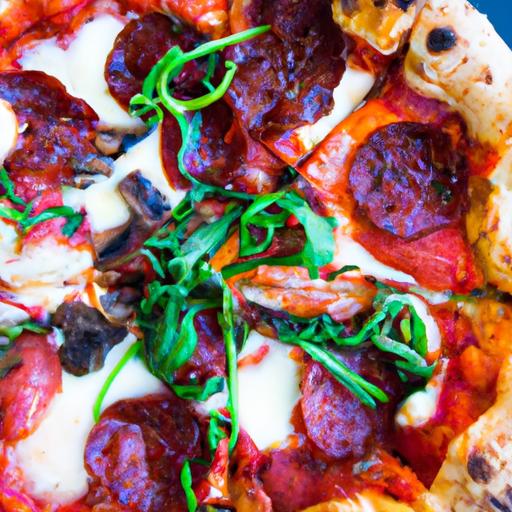

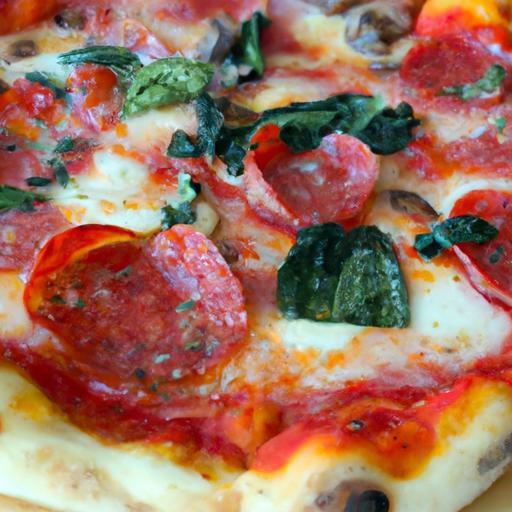
In the heart of Naples, where the salt-kissed sea breeze mingles with the aroma of fresh basil and bubbling mozzarella, a culinary masterpiece has been perfected over centuries: Neapolitan pizza. More than just a dish, it is a symbol of tradition, a party of simple yet vibrant flavors, and a testament to timeless craftsmanship passed down from generation to generation. This iconic pizza, with its delicate, blistered crust and harmonious blend of ingredients, invites us to explore the rich cultural tapestry that shapes each bite. Join us as we unravel the story behind Neapolitan pizza-an enduring legacy that continues to captivate taste buds and inspire chefs around the world.
Neapolitan Pizza is more than just a dish; it’s a culinary icon that embodies the rich history, passion, and craftsmanship of Naples, italy. With its perfectly blistered crust, vibrant San Marzano tomato sauce, and creamy mozzarella di bufala, Neapolitan pizza captures the essence of tradition and simplicity. Many home cooks struggle to recreate its authentic flavor,but with the right techniques and respect for time-honored methods,you can bring the fiery spirit of Naples into your own kitchen.
Prep and Cook Time
- Prep Time: 3 hours 30 minutes (including dough fermentation)
- Cook Time: 90 seconds to 2 minutes (in a high-temperature oven)
Yield
Makes 2 traditional 12-inch Neapolitan pizzas
Difficulty Level
Medium – Requires patience and attention to detail, but is highly rewarding
Ingredients
- 500g (4 cups) 00 flour, sifted
- 325ml (1 1/3 cups) water, lukewarm
- 10g (2 tsp) fine sea salt
- 3g (1 tsp) fresh yeast or 1/2 tsp active dry yeast
- 400g canned San Marzano tomatoes, crushed by hand
- Salt and a pinch of sugar to balance the sauce
- 200g fresh mozzarella di bufala, torn into small pieces
- Fresh basil leaves
- Extra virgin olive oil, for drizzling
Instructions
- Prepare the dough: In a large bowl, dissolve the yeast in lukewarm water. Gradually add the sifted flour and salt, mixing with your hand or a wooden spoon until it comes together into a sticky ball.
- Knead the dough: Transfer to a floured surface and knead vigorously for 10-15 minutes until smooth, elastic, and slightly tacky. A well-kneaded dough is key to Neapolitan pizza’s signature texture.
- First rise: Place the dough back in the bowl, cover with a damp cloth or plastic wrap, and let it rise at room temperature for 2 hours until doubled in size.
- Divide and rest: Punch down the dough and split it into two equal portions. Shape each into a tight ball, then cover and allow to rest for another hour. This resting step improves extensibility during shaping.
- Prepare the sauce: Combine the hand-crushed San Marzano tomatoes with a pinch of salt and sugar. Let it sit to marry flavors but keep the sauce uncooked for fresh acidity.
- Preheat your oven: Ideally, set a pizza stone inside and preheat at the maximum temperature (around 500°F / 260°C) for at least 45 minutes to achieve the characteristic leopard-spotted crust.
- Shape the dough: Lightly flour a clean surface. Using your fingertips, gently stretch the dough balls from the center outward-avoid rolling pins to preserve air bubbles. Aim for a thin center and slightly thicker edges (cornicione).
- Assemble your pizza: Spread 2-3 tablespoons of sauce evenly on each base, leaving a 1-inch border. Scatter torn mozzarella pieces, a few fresh basil leaves, and a drizzle of extra virgin olive oil.
- Bake: Slide the pizza onto the hot stone or baking tray and bake for 90 seconds to 2 minutes, rotating halfway for even charring. The crust should puff up with well-defined charred spots and the cheese bubbling.
- Finishing touches: Remove the pizza, add a few more fresh basil leaves, and serve immediately while the crust is steaming hot.
Tips for Success
- Flour choice: 00 flour is essential for that tender, silky crust. If unavailable, use the finest all-purpose flour you can find.
- Yeast fermentation: Slow, cool fermentation (overnight in the refrigerator) can deepen flavor – try a cold ferment if time allows.
- Shaping the dough: Work patiently and avoid tearing – a well-stretched crust traps air for lightness.
- Oven setup: A pizza stone or steel produces better results. Preheating properly is crucial for the authentic Neapolitan texture.
- Cheese: Use fresh mozzarella di bufala or fior di latte. Avoid shredded mozzarella as it releases excess moisture, making the crust soggy.
- Make ahead: Dough can be refrigerated for up to 48 hours; remove it 2 hours before shaping to warm to room temperature.
Serving Suggestions
Present your Neapolitan pizza on a wooden paddle or rustic stone platter to evoke that Italian pizzeria charm. Garnish each slice with an extra drizzle of high-quality evoo and a sprinkle of fresh oregano or microgreens for a pop of color. Enjoy alongside a simple arugula salad dressed with lemon and olive oil, and a chilled glass of soda water or a light Italian red wine such as Chianti.

| Nutritional Info (per serving) | Calories | Protein (g) | Carbs (g) | Fat (g) |
|---|---|---|---|---|
| Neapolitan Pizza | 540 | 24 | 65 | 18 |
For further mastery of Italian classics, explore our authentic Italian pasta recipes. To delve deeper into the cultural roots of pizza heritage, visit the Associazione Vera Pizza Napoletana.
Q&A
Q&A: Neapolitan Pizza – Tradition, Flavor, and timeless Craftsmanship
Q1: What makes neapolitan pizza different from other types of pizza?
A1: Neapolitan pizza stands apart through its pure simplicity and time-honored technique. Originating from naples, Italy, it’s crafted with a few high-quality ingredients-typically San Marzano tomatoes, fresh mozzarella di bufala, a sprinkle of fresh basil, a drizzle of extra-virgin olive oil, and a tender, airy dough. The magic lies in its quick, high-temperature cooking in a wood-fired oven, which creates a soft, pillowy crust with a slightly charred edge and vibrant, balanced flavors.
Q2: How did Neapolitan pizza become a symbol of Italian culinary heritage?
A2: Neapolitan pizza’s roots date back to the late 18th century when Naples’ working class needed an affordable, nourishing meal. Over the centuries, it evolved into a beloved art form embodying the spirit and cultural identity of Naples. Its recognition by the European Union as a Traditional Specialty Guaranteed (TSG) product and UNESCO’s recognition of its craft highlight its cultural and culinary significance as a symbol of Italian pride and tradition.
Q3: Why is the dough so important in Neapolitan pizza?
A3: The dough is the heart and soul of Neapolitan pizza. Made from just flour, water, salt, and yeast, it’s carefully fermented to develop subtle flavors and an airy structure. The slow rise allows the gluten to relax, resulting in a dough that puffs up beautifully in the heat, creating a delicate balance between crispness and chewiness. Without this precise dough readiness, the pizza loses its signature texture and charm.
Q4: What role does the wood-fired oven play in making authentic Neapolitan pizza?
A4: The wood-fired oven is pivotal to achieving the authentic Neapolitan pizza experience. It can reach blistering temperatures around 900°F (485°C) or higher, cooking the pizza in just 60-90 seconds. this intense heat creates a perfect interplay of textures-leoparding the crust with charred spots while keeping the center soft and moist. The smoky aroma from the burning wood also imparts a subtle,irresistible flavor that electric or gas ovens simply can’t replicate.
Q5: Can Neapolitan pizza be adapted, or does tradition demand strict adherence?
A5: While regional variations and modern twists exist, true Neapolitan pizza adheres to the strict guidelines set by the Associazione Verace Pizza Napoletana (AVPN). This certification preserves the authenticity of the recipe and technique. That said, passionate pizzaiolos worldwide honor tradition while creatively experimenting with local ingredients or toppings, ensuring the spirit of Neapolitan pizza remains timeless yet alive.
Q6: What sensory experience should one expect when biting into a Neapolitan pizza?
A6: Biting into a Neapolitan pizza is a journey of delightful contrasts: the warm,tender dough welcomes you with a gentle chew; the fresh mozzarella melts luxuriously,mingling with the sweet and tangy tomato sauce; hints of basil burst with herbal freshness; and the olive oil adds a silky richness. the slight smokiness from the charred crust rounds out an intensely satisfying, harmonious flavor that lingers lovingly on the palate.
Q7: Why has Neapolitan pizza endured as a global favorite for so long?
A7: Its endurance lies in the perfect union of simplicity and skill, tradition and flavor. Neapolitan pizza invites everyone to savor something authentic, handcrafted, and deeply rooted in history.Its approachable ingredients and social nature-meant to be shared and enjoyed-create timeless memories across cultures. In a world of fast food and fleeting trends, its soulful craftsmanship continues to captivate and comfort pizza lovers everywhere.
This Q&A delves into the essence of Neapolitan pizza, illuminating why this humble creation has risen to iconic status through the ages. Whether you’re a culinary curious or an ardent foodie, understanding its tradition and craft enriches every delicious bite.
To Wrap It Up
In the world of culinary delights, Neapolitan pizza stands as a timeless masterpiece-where tradition meets artistry, and simple ingredients transform into an unforgettable experience. Rooted in centuries of craftsmanship, this iconic dish not only embodies the rich cultural heritage of Naples but also continues to inspire chefs and food lovers around the globe. Every bite is a story, a celebration of flavor and history perfectly melded in a tender, charred crust. As we savor neapolitan pizza, we’re reminded that true culinary magic lies in honoring the past while delighting the present-a delicious legacy that will continue to captivate palates for generations to come.