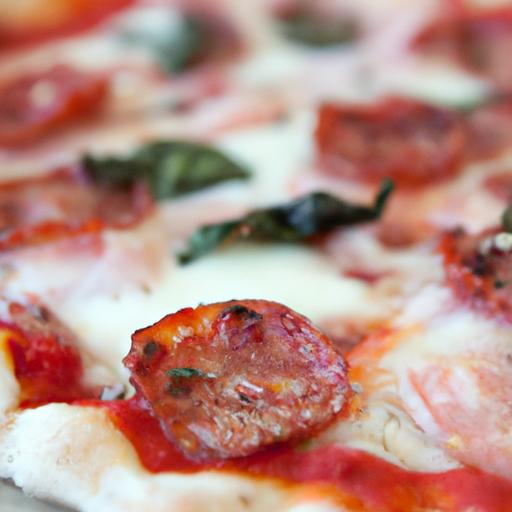

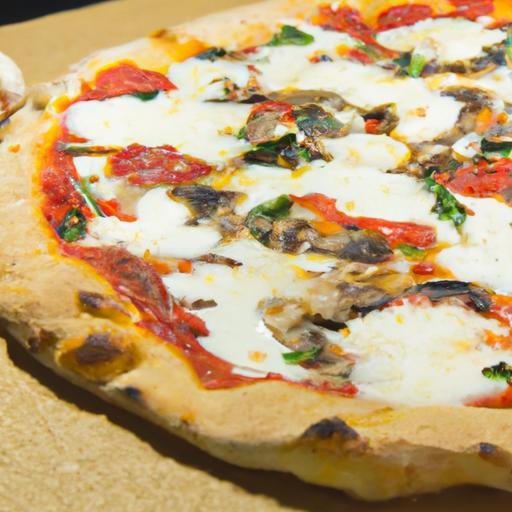
In the heart of Naples,where the Mediterranean sun kisses cobblestone streets and centuries-old traditions rise like the morning tide,there exists a culinary masterpiece that has captured the world’s imagination: Neapolitan pizza. More than just a dish, it is a living tapestry woven from simple ingredients-flour, water, yeast, salt, ripe tomatoes, creamy mozzarella-and the hands of artisans who have perfected their craft over generations. This is not merely pizza; it is indeed the art and flavor of tradition,a sensory journey that transcends time and place. Join us as we peel back the crispy, charred edges and delve into the rich history, meticulous techniques, and vibrant culture behind Neapolitan pizza, revealing why this humble pie remains an enduring symbol of italian heritage and culinary excellence.
Neapolitan pizza is the epitome of culinary tradition, celebrated worldwide for its delicate balance of a light, airy crust, vibrant San Marzano tomatoes, and creamy Mozzarella di Bufala. this iconic dish combines centuries of meticulous craft with simple, high-quality ingredients, making it an irresistible experience for food lovers and aspiring home cooks alike.
Prep and Cook Time
- Preparation: 2 hours (including dough rising)
- Cooking: 2-3 minutes per pizza
- Total: Approximately 2 hours 15 minutes
Yield
Makes 2 classic 10-12 inch pizzas
Difficulty Level
Medium – mastering dough and heat control requires some practice but is deeply rewarding.
Ingredients
- 500g (4 cups) tipo 00 flour, finely milled for tender crumb and elasticity
- 325ml (1 1/3 cups) lukewarm water
- 10g (2 tsp) sea salt
- 2g (½ tsp) active dry yeast
- 400g canned san Marzano tomatoes, crushed by hand for freshness
- 200g fresh Mozzarella di Bufala, torn into pieces
- Fresh basil leaves
- Extra virgin olive oil, for drizzling
- Flour for dusting
Instructions
- Activate the yeast. In a small bowl, dissolve the yeast in lukewarm water. Let it sit for 5-7 minutes untill frothy, signaling the yeast is alive.
- Combine the flour and salt. Sift the tipo 00 flour and salt into a large mixing bowl, ensuring an even distribution.
- Mix the dough. Gradually pour the yeast-water mixture into the flour. Using your hand or a wooden spoon, combine until a shaggy dough forms. Transfer to a lightly floured surface.
- Knead until smooth and elastic. Knead for 10-12 minutes until the dough feels soft and springs back when poked. If sticky, add a touch more flour.
- Let the dough rise. Shape dough into a ball, cover with a damp towel or plastic wrap, and let it rise for 1.5-2 hours at room temperature until doubled in size.
- Prepare the sauce. while dough rises, pulse the crushed San Marzano tomatoes lightly with a fork or blender; season sparingly with salt. Avoid cooking to preserve freshness and acidity.
- Preheat your oven. Place a pizza stone on the center rack and heat oven to its highest setting (usually 500°F/260°C) for at least 45 minutes to ensure an intensely hot baking surface.
- Shape the dough. Divide the dough into 2 equal balls.On a floured surface, gently stretch and shape each into a 10-12 inch round, leaving a slightly thicker edge for the crust.
- Assemble the pizza. Spread a thin layer of tomato sauce evenly over each dough base, leaving a 1-inch border. Scatter torn Mozzarella di Bufala and fresh basil leaves on top. Drizzle lightly with extra virgin olive oil.
- Bake immediately. Transfer the pizza to the preheated pizza stone using a floured peel or inverted baking sheet. Bake for 2-3 minutes until the crust puffs and charred spots appear, and cheese bubbles lightly.
- serve hot. Remove from oven, add a few fresh basil leaves for vibrancy and an extra drizzle of olive oil. Slice and savor immediately for the best experience.
Tips for success
- Flour choice: Tipo 00 flour is essential for an authentically soft yet chewy crust.
- Hydration: Maintain slightly higher water content to achieve a light, airy crumb.
- Dough resting: Avoid the temptation to rush the rising; fermentation improves flavor and texture.
- Oven heat: A high-temperature oven with a pizza stone mimics a traditional wood-fired pizza oven’s intense heat.
- Ingredient authenticity: Don’t substitute San Marzano tomatoes or Mozzarella di Bufala for lesser-quality alternatives; the flavor difference is profound.
- Make ahead: Dough can be refrigerated overnight to develop deeper flavor, just bring to room temperature before shaping.
- Troubleshooting: If crust turns tough, lower water content slightly or reduce kneading time.
Serving Suggestions
Serve your pizza simply to honor its roots. A glass of crisp Italian white wine or a cold craft lager pairs beautifully. consider a fresh arugula salad with lemon vinaigrette to contrast the richness. Garnish with an extra drizzle of extra virgin olive oil and whole basil leaves for an aromatic finish.

| Nutritional Info (per serving) | Amount |
|---|---|
| Calories | 450 kcal |
| Protein | 18g |
| Carbohydrates | 55g |
| fat | 14g |
Discover more traditional italian recipes like Classic Italian Pasta Recipes and deepen your culinary journey. For more on the history of San Marzano tomatoes,visit San Marzano Tomato Consortium.
Q&A
Q&A: Neapolitan Pizza – The Art and Flavor of Tradition
Q1: What makes Neapolitan pizza truly unique among all pizza styles?
A1: Neapolitan pizza is a harmonious blend of simplicity and craftsmanship, defined by its airy, soft crust with a slightly charred, leopard-spotted edge. Unlike heavily topped pizzas, it celebrates minimalism-fresh San Marzano tomatoes, creamy mozzarella di Bufala, a drizzle of fragrant olive oil, and fresh basil. This purity highlights centuries of tradition baked quickly in blistering wood-fired ovens, giving it an unmatched flavor and texture.
Q2: How did Neapolitan pizza originate?
A2: The roots of Neapolitan pizza stretch back to 18th-century Naples, where street vendors crafted a fast, affordable meal for workers. Its iconic status blossomed in the late 19th century when Queen Margherita reportedly sampled a pizza topped with tomato, mozzarella, and basil-emulating the italian flag’s colors. This royal endorsement elevated the humble pie into a symbol of Italian identity and pride.
Q3: What are the essential ingredients for an authentic Neapolitan pizza?
A3: Authenticity is key here. The dough must be made from highly refined Italian “00” flour, water, salt, and natural yeast, left to ferment slowly for up to 24 hours. Toppings are restrained but extraordinary: San Marzano tomatoes cultivated in volcanic soil near Mount Vesuvius, fresh mozzarella di Bufala or Fior di Latte, fresh basil leaves, and a splash of extra virgin olive oil. Any deviation risks losing its heritage soul.
Q4: Why is the cooking method so notable to Neapolitan pizza?
A4: Cooking in a wood-fired oven reaching temperatures of around 900°F (485°C) for just 60-90 seconds is crucial. This intense heat creates a tender, pliable crust with a crisp exterior punctuated by characteristic charred bubbles. It also preserves the freshness of the toppings, melding flavors without drying or overcooking. The oven’s smoky aroma is an invisible ingredient that completes the experience.Q5: can Neapolitan pizza be adapted without losing its essence?
A5: While modern chefs experiment boldly, purists argue that the essence of Neapolitan pizza lies in its strict adherence to tradition. That said, subtle adaptations-like variations in cheese or seasonal toppings-can complement the base without overshadowing it. However, if the dough or cooking method strays too far, you’re venturing into “pizza inspired by Naples” territory, rather than the genuine article.
Q6: what cultural importance does Neapolitan pizza hold today?
A6: Neapolitan pizza is more than food-it’s a living tradition and UNESCO-recognized Intangible Cultural Heritage. It embodies the spirit of Naples: resilience, community, and joyous simplicity.Sharing a Neapolitan pizza is a ritual of connection, a celebration of history baked fresh daily, inviting everyone to savor a taste of Italian heritage.
Q7: How can someone at home recreate Neapolitan pizza’s magic?
A7: While replicating a wood-fired oven’s heat is a challenge, home bakers can get close with a pizza stone or steel preheated to the highest oven setting.Use quality “00” flour if possible, allow ample fermentation time, and keep toppings light and fresh. Patience and respect for ingredients are key-the art is in embracing the process as much as the final flavor.
Neapolitan pizza is a masterpiece born of humble origins, crafted with passion and preserved through generations. Its magic lies not just in taste, but in a story, an art, and a heritage that continues to inspire and delight.
To Wrap It Up
As the sun sets over the bustling streets of Naples, the legacy of Neapolitan pizza continues to sizzle in wood-fired ovens around the world. More than just a dish, it is a living tradition-a harmonious blend of simple ingredients, time-honored techniques, and passionate craftsmanship. whether you savor its tender, charred crust or the vibrant burst of San Marzano tomatoes and fresh mozzarella, you’re tasting centuries of history folded into every bite. in embracing Neapolitan pizza, we don’t just enjoy a meal; we celebrate the art and flavor of a timeless culinary heritage that invites us all to slow down, savor, and share in the joy of tradition.