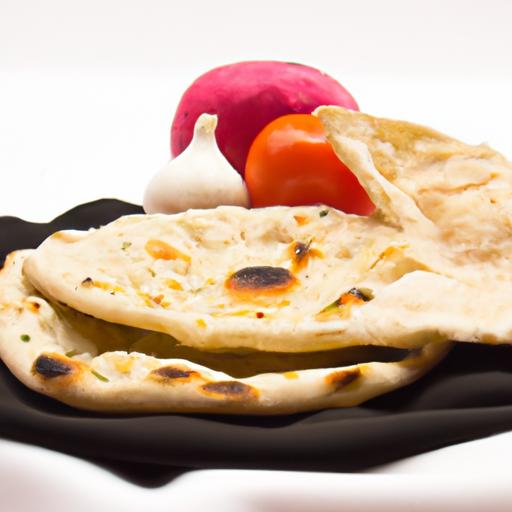

There’s something undeniably magical about naan bread-a warm, pillowy flatbread that has journeyed through centuries and across continents to find its place at tables worldwide. From bustling street markets to elegant dining rooms, naan’s golden crust and supple texture tell a story of tradition, craftsmanship, and cultural fusion.In unraveling the secrets behind this timeless bread, we embark on a flavorful exploration of its origins, the artistry behind its planning, and the rich flavors that make naan an enduring favorite. Join us as we unveil the art and flavor of naan bread,celebrating a culinary treasure that continues to captivate taste buds and hearts alike.
Naan bread unveiled reveals a centuries-old culinary marvel whose journey spans from the royal kitchens of the Mughal Empire to contemporary global tables.This soft, pillowy flatbread, kissed by the intense heat of a tandoor oven, carries not only flavor but a story rich with cultural fusion and technique.Crafting naan bread at home transforms your kitchen into a gateway to vibrant traditions, inviting you to savor its irresistible texture and aroma with every bite.
Prep and Cook Time
- Preparation: 20 minutes
- Resting/Proofing: 1 hour 15 minutes
- Cooking: 10 minutes
- Total Time: Approximately 1 hour 45 minutes
Yield
6 medium-sized naan breads (about 8 inches each)
Difficulty Level
Medium – requires time for proofing and attention to dough handling
Ingredients
- 2 cups all-purpose flour, sifted
- 1 tsp sugar
- 1 tsp active dry yeast
- ½ tsp salt
- ⅓ cup warm water (110°F/43°C)
- ⅓ cup plain yogurt, at room temperature
- 2 tbsp vegetable oil or melted ghee
- 2 tbsp melted butter or ghee (for brushing)
- Optional: minced garlic, chopped cilantro, nigella seeds for flavor variations
Instructions
- Activate the Yeast: In a small bowl, combine warm water, sugar, and yeast. Stir gently and let it sit for 5-10 minutes until foamy. This indicates your yeast is alive and kicking.
- Mix the Dry Ingredients: In a large mixing bowl, whisk together the sifted flour and salt for even distribution.
- Combine Wet Ingredients: Add the yogurt and oil to the yeast mixture and stir to combine.
- Form the Dough: Pour the wet mixture into the dry ingredients. Using your hands or a wooden spoon, mix until a shaggy dough forms.
- Knead to Perfection: Transfer the dough onto a lightly floured surface. Knead for 8-10 minutes until the dough becomes smooth, elastic, and slightly tacky but not sticky.
- Proof the Dough: Lightly oil a clean bowl and place the dough inside. Cover with a damp cloth or plastic wrap and let it rise in a warm spot for 1 hour, or until doubled in size.
- Divide and Shape: Once risen, punch down the dough gently. divide into 6 equal pieces and roll each into a smooth ball.
- Roll Out the Naan: On a floured surface, roll each ball into an oval or tear-drop shape about ⅛ inch thick. Avoid making it too thin to retain that fluffy texture.
- Add Flavor Variations (Optional): Sprinkle minced garlic and chopped cilantro or nigella seeds on top. Press gently so they adhere to the surface.
- Cook the Naan: Heat a cast-iron skillet or heavy-bottom pan over medium-high heat. When hot, place one naan on the surface. Cook for 1-2 minutes until bubbles form and the bottom has golden charred spots.
- Flip and Finish: Flip the naan and cook the other side for another 1-2 minutes. For authentic results, you can hold the naan with tongs and briefly expose it to open flame or a broiler to mimic the tandoor’s char.
- Brush and Serve: Remove from heat and immediately brush with melted butter or ghee to infuse rich flavor and gloss.Serve warm.
Tips for Success
- Perfect Proofing: The key to soft naan is letting the yeast work its magic.if your kitchen is cool, place the dough near a warm oven or inside a turned-off one with the light on.
- Flour Matters: Use bread flour for an even chewier naan or all-purpose flour for softness. Avoid adding too much flour while kneading, as it can toughen the dough.
- Flavor Innovations: Experiment with toppings like za’atar, roasted garlic butter, or even a sprinkle of smoked paprika for a creative twist.
- Make Ahead: Dough can be stored in the fridge for up to 24 hours. Bring to room temperature before rolling out.
- Substitutions: Greek yogurt works beautifully if plain yogurt is unavailable; just choose full-fat for richness.
Serving Suggestions: Pairing naan Bread with Dishes and Drinks
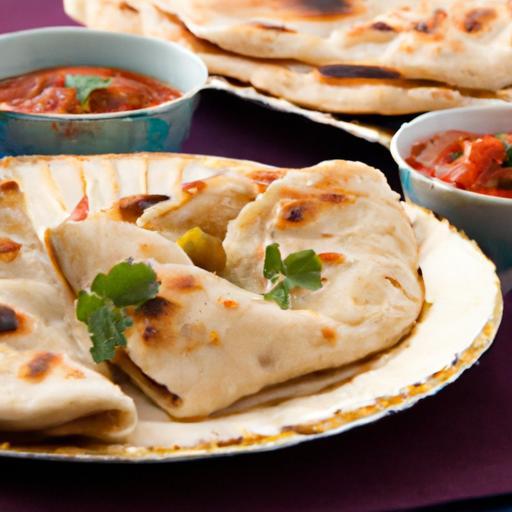
Naan bread unveiled shines brightest when accompanying bold, aromatic dishes. Pair it with classic curries such as butter chicken or fragrant lentil dal to soak up every morsel of sauce. For a lighter touch, serve alongside grilled kebabs or a fresh cucumber raita. Garnish naan with a sprinkle of freshly chopped cilantro or nigella seeds for extra aroma and visual appeal.
In terms of beverages, classic Indian chai or a spicy mango lassi beautifully complement naan’s warm, buttery notes. For an evening affair, pair naan with crisp, dry white wines or light-bodied pale ales to balance the bread’s richness.
| Nutritional Data (per serving) | Calories | Protein | Carbs | Fat |
|---|---|---|---|---|
| Naan Bread | 200 kcal | 6 g | 36 g | 4 g |

For a deeper dive into flatbreads around the world, check out our extensive guide on Best Flatbreads Around the World or visit Britannica’s overview of naan for historical context.
Q&A
Q&A: Naan Bread Unveiled: The Art and flavor of Timeless Flatbread
Q1: What makes naan bread so special among flatbreads?
A1: Naan’s charm lies in its perfect balance of softness and chewiness, kissed by the smoky char of a tandoor oven. Unlike many flatbreads that are thin and crispy,naan is pillowy and slightly elastic,making it an irresistible companion to curries and dips. Its rich history, combined with its adaptability, elevates it from simple bread to an artful culinary delight.Q2: Where does naan bread originate from?
A2: Naan’s roots trace back to ancient Persia and India, evolving over centuries with the spread of the tandoor oven. This oven, traditionally made of clay and heated by charcoal or wood, imparts naan with its signature blistered texture and distinctive flavor. The word “naan” itself derives from the Persian word for bread, symbolizing its deep heritage in Central and South Asian cuisine.
Q3: How is naan traditionally made?
A3: Customary naan dough is a blend of all-purpose flour, yogurt, yeast, and sometimes milk or eggs, which together build elasticity and softness. After resting and proofing, the dough is slapped onto the hot inner walls of the tandoor. The intense heat makes the naan puff up dramatically, creating those iconic air pockets and slightly charred spots that give naan its signature allure.
Q4: Can naan be made at home without a tandoor oven?
A4: Absolutely! Home cooks replicate the affect by using a very hot cast-iron skillet or a broiler.Though it may lack the smoky nuance of tandoor-baked naan, the key lies in high heat and quick cooking to achieve the perfect blistered surface and tender chew. Some even experiment with grilling naan over charcoal for an extra layer of flavor.
Q5: What flavors and accompaniments complement naan bread?
A5: Naan is a canvas for flavor. Classic toppings like garlic, butter, cilantro, or nigella seeds add aromatic layers, while stuffed naans-filled with spiced potatoes, cheese, or minced meat-transform it into a hearty meal. paired with creamy curries, tangy chutneys, or cooling raitas, naan becomes an immersive savory experience that dances on the palate.
Q6: Why has naan remained popular globally?
A6: Naan’s global popularity stems from its versatility and comforting texture. It effortlessly bridges the gap between street food and fine dining, appealing to diverse tastes. As Indian,Persian,and Middle Eastern cuisines have gained international acclaim,naan has carried along,inviting food lovers worldwide to savor its timeless art and flavor.
Q7: What is the cultural importance of naan bread?
A7: Beyond being a staple food, naan embodies hospitality and tradition. In many cultures, freshly baked naan is a symbol of welcome and abundance, frequently enough served during festivals, family gatherings, and celebrations. Its preparation is seen as a nurturing act, weaving together community, history, and culinary craftsmanship.
Q8: Any tips for perfecting naan at home?
A8: patience is key-allow your dough ample time to ferment for richer flavor and softness. Use warm liquids to activate yeast properly,and don’t skimp on resting the dough.When cooking, crank up the heat and keep your pan or oven preheated to mimic the tandoor’s intense environment. And lastly, brush with melted butter or ghee while warm for that luscious, melt-in-your-mouth finish.
Naan isn’t just bread; it’s a sensory journey through time and tradition,inviting you to savor the art behind every bite.
Final Thoughts
As the warm aroma of freshly baked naan lingers in the air,we come to appreciate that this humble flatbread is much more than a simple accompaniment.It is a canvas of tradition, a testament to centuries of culinary artistry, and a vessel for flavors both bold and delicate.From its ancient origins to its modern-day variations, naan bread invites us to savor the story baked into every bite-a timeless blend of culture, craft, and comfort. Whether slathered with garlic butter, stuffed with spiced fillings, or simply enjoyed plain, naan continues to bridge kitchens and hearts across the world, reminding us that sometimes, the simplest foods hold the richest histories.