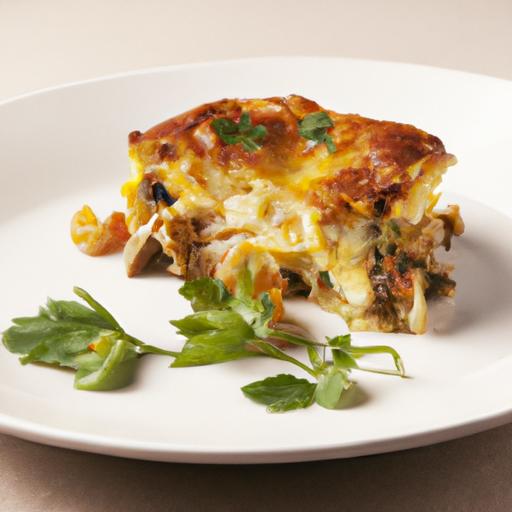

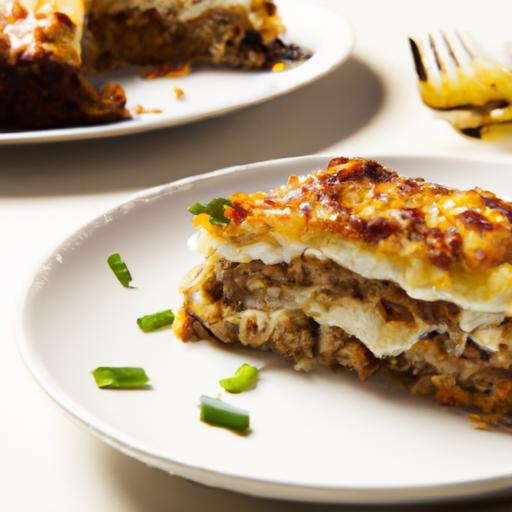
Beneath the golden, bubbling crust of moussaka lies a story as rich and layered as the dish itself-a tale woven through centuries of Mediterranean tradition, culture, and culinary artistry. “Moussaka Unveiled: A flavorful Journey Through Tradition” invites you to embark on an exploration beyond the familiar flavors, diving into the origins, ingredients, and regional twists that make this beloved casserole a timeless classic. join us as we peel back each savory layer to discover how history and heritage blend seamlessly on the plate, transforming humble ingredients into a symphony of taste that continues to captivate palates around the world.
Moussaka Unveiled takes you on a flavorful journey through tradition, inviting you to explore the rich heritage and unmatched comfort of this classic Mediterranean dish. Originating from the Levant and evolving through Greek and Balkan influences, moussaka is much more than a layered casserole; it’s a cultural emblem that tells a story with every bite. My first encounter with this dish was during a sun-soaked evening in Crete, where the smells of cinnamon-spiced meat and roasted eggplant mingled in the sleepy village air-an unforgettable introduction to its layered complexity and heartwarming essence.
Prep and cook Time
- Preparation: 40 minutes
- Cooking: 1 hour 10 minutes
- Total Time: 1 hour 50 minutes
Yield
Serves 6 generously, perfect for family dinners or festive gatherings.
Difficulty Level
Intermediate – While layering takes care and attention, the steps are straightforward, rewarding yoru effort with a stunning and satisfying dish.
Ingredients
- 3 medium eggplants, sliced lengthwise (about 1/4 inch thick)
- 1/4 cup olive oil, plus extra for frying
- 1 large onion, finely chopped
- 3 garlic cloves, minced
- 1 lb ground lamb (or beef for a leaner option)
- 1 (14 oz) can crushed tomatoes
- 2 tbsp tomato paste
- 1/2 cup dry red wine
- 1 tsp ground cinnamon
- 1/2 tsp ground allspice
- Salt and freshly ground black pepper, to taste
- 1/4 cup chopped fresh parsley
- 1 cup all-purpose flour, sifted
- 4 cups whole milk, warmed
- 4 tbsp unsalted butter
- 1/4 tsp ground nutmeg
- 2 large eggs, beaten
- 1 1/2 cups grated kefalotyri or Parmesan cheese
Instructions
- Prepare the eggplants: Lay the eggplant slices on a rack or paper towels and sprinkle lightly with salt. Let them sit for 20 minutes to draw out bitterness and moisture. rinse and pat dry thoroughly.
- Sauté the eggplants: Heat olive oil in a large skillet over medium heat. fry the eggplant slices until golden and softened, about 3 minutes per side.Drain on paper towels to remove excess oil.
- cook the meat sauce: In a large pan, heat 1/4 cup olive oil.add chopped onions and garlic, sauté until translucent and aromatic, about 5 minutes. Add ground lamb and cook until browned, breaking it apart with a wooden spoon.
- Add spices and liquids: Stir in crushed tomatoes, tomato paste, red wine, cinnamon, allspice, salt, and pepper. Simmer gently for 30 minutes, stirring occasionally, until sauce thickens and flavors deepen. Remove from heat, stir in chopped parsley.
- Make the béchamel sauce: In a saucepan, melt butter over medium heat. Whisk in flour and cook for 2 minutes to form a roux. Gradually add warm milk,whisking continuously to avoid lumps. Cook until thickened and creamy, about 7 minutes. Remove from heat, stir in nutmeg. Temper eggs by adding a small amount of béchamel to eggs, then whisk eggs into the sauce. Set aside.
- Assemble the layers: Preheat oven to 350°F (175°C). In a buttered deep baking dish, start with a layer of eggplant slices, then half the meat sauce, another eggplant layer, remaining meat sauce, and a final layer of eggplant. pour béchamel evenly over the top; smooth with a spatula. Sprinkle grated cheese generously over the béchamel.
- Bake: Place the dish in the oven and bake uncovered for 50-60 minutes, until the top is golden brown and bubbling. Let cool for at least 20 minutes before slicing to allow layers to set beautifully.
Tips for Success
- eggplants: Salting and draining slices is essential to avoid a watery moussaka.
- Meat choice: Lamb imparts the most authentic flavor, but beef can be used for a milder taste; ground veal adds a delicate touch.
- Béchamel texture: Ensure the sauce is thick but pourable; this creates the luscious creamy top layer signature to moussaka.
- Make-ahead: Prepare all components a day before and assemble just before baking. This deepens flavors and reduces active cooking time.
- Vegetarian variation: Substitute the meat with sautéed mushrooms, lentils, or a medley of root vegetables.
Serving Suggestions
Moussaka shines when served warm with a crisp, refreshing side. Try a simple Greek salad drizzled with extra virgin olive oil,ripe tomatoes,cucumbers,Kalamata olives,and crumbled feta to contrast the hearty layers. Garnish with fresh chopped parsley or mint for a vibrant pop of colour and fresh aroma. For bread lovers, crusty pita or a garlic-infused artisan loaf soak up the creamy béchamel and tomato meat sauce beautifully.

| Nutrient | Per Serving |
|---|---|
| Calories | 520 kcal |
| Protein | 28 g |
| Carbohydrates | 20 g |
| Fat | 35 g |
For further exploration, check how you can elevate other Greek specialties, or discover the fascinating culinary history and variations of Mediterranean casseroles at Encyclopaedia britannica.
Q&A
Q&A: Moussaka Unveiled – A Flavorful journey Through Tradition
Q1: What exactly is moussaka?
A1: Moussaka is a beloved layered casserole that showcases the vibrant flavors of the Mediterranean, primarily Greece. Traditionally, it’s a comforting blend of sautéed eggplant, spiced ground meat-usually lamb or beef-rich tomato sauce, and a creamy béchamel topping that bakes to golden perfection.Think of it as a savory,warm embrace on a plate.
Q2: Where does moussaka originate?
A2: While moussaka’s roots stretch across the Middle East and the Balkans, the most iconic version hails from Greece. The modern Greek moussaka, popularized in the 1920s by chef Nikolaos Tselementes, introduced the signature béchamel layer, transforming a rustic dish into a culinary masterpiece celebrated worldwide.
Q3: What are the key ingredients that make moussaka unique?
A3: The magic lies in its harmonious layers. Eggplants are typically sliced and either fried or roasted to bring out their caramelized flavor. The meat layer is richly seasoned with cinnamon, allspice, and sometimes a hint of nutmeg-aromas that evoke warm Mediterranean nights. The crowning béchamel sauce, creamy and velvety, adds the final luscious layer that bakes to a bubbly, golden crust.
Q4: How does moussaka reflect cultural traditions?
A4: Moussaka is more than just a dish; it’s a culinary storybook. Each layer symbolizes a chapter-eggplants representing the bounty of the land, spiced meat reflecting the region’s rich palate, and the béchamel topping suggesting a touch of European influence. It’s a dish served during family gatherings, festive celebrations, and moments of communal connection, embodying history and hospitality.Q5: Can moussaka be adapted for modern tastes or dietary preferences?
A5: Absolutely! Moussaka is wonderfully versatile. Vegetarians might swap the meat for lentils or mushrooms, yielding an earthy yet satisfying experience.For a lighter take,some opt to grill rather than fry the eggplant and replace béchamel with a tangy yogurt-based topping. The key is balancing textures and flavors, respecting tradition while embracing innovation.
Q6: What tips ensure a perfect moussaka at home?
A6: Patience is the secret ingredient. Salting the eggplants in advance draws out bitterness and excess moisture, preventing sogginess. layering thoughtfully maintains structure, while a slow bake allows flavors to meld and the béchamel to develop that irresistible golden crust. And remember-moussaka often tastes even better the next day, when the layers have settled and deepened.
Q7: why does moussaka continue to captivate food lovers globally?
A7: Moussaka is a dish that feels timeless yet exciting-a testament to the power of tradition blended with artistry. Its layers tell a tale of culture, climate, and creativity. For food lovers, every forkful is a journey through fragrant spices, tender vegetables, and creamy textures. It’s comfort food elevated to an experience that bridges past and present, home and hearth.
The Way Forward
As we close the chapter on our flavorful journey through the layers of moussaka, it becomes clear that this beloved dish is far more than a simple casserole. It’s a vibrant tapestry woven from the rich threads of history, culture, and culinary artistry. Each bite offers a savory story-one of Mediterranean sunshine,time-honored techniques,and the joyful traditions passed down through generations. Whether enjoyed in a bustling taverna or recreated in your own kitchen, moussaka invites us to savor not just its bold flavors but the heritage it carries on the plate. So next time you indulge in this classic dish, remember: you’re tasting a timeless celebration of tradition, lovingly unveiled.