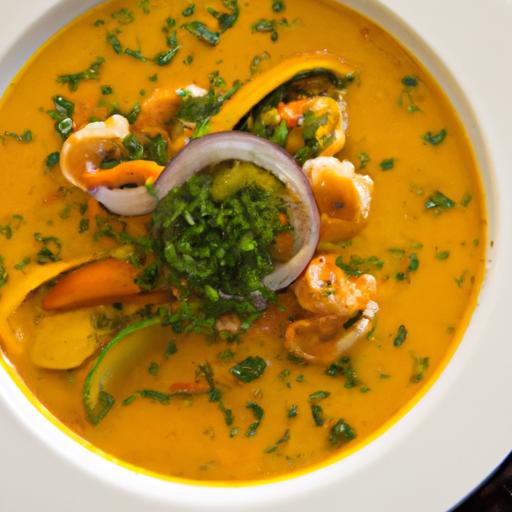

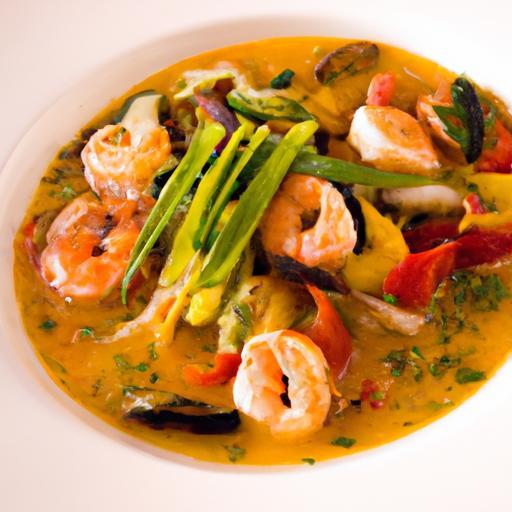
Bubbling with color,aroma,and history,moqueca is much more than just a seafood stew – its a vibrant tapestry of Brazil’s culinary soul. From the sun-kissed shores of bahia to the tropical coastline of Espírito Santo, this iconic dish weaves indigenous traditions, African influences, and Portuguese heritage into every fragrant spoonful. Join us as we dive into the moqueca magic, exploring how simple ingredients transform into a party of Brazil’s rich coastal legacy, and uncover the stories simmering beneath its luscious layers of fish, coconut milk, palm oil, and fresh herbs.
Moqueca Magic brings to life the rich and vibrant seafood stew deeply rooted in Brazilian heritage, embodying a fusion of indigenous, African, and Portuguese culinary traditions. This iconic dish, with its fragrant coconut milk, sun-ripened palm oil, and fresh catch from Brazil’s abundant coastlines, creates a comforting yet exotic flavor experience that has won hearts worldwide.
Prep and Cook Time
- Readiness: 20 minutes
- Cooking: 40 minutes
- Total Time: 1 hour
Yield
Serves 4 generous portions
Difficulty Level
Medium – perfect for adventurous home cooks who want to explore vibrant,layered flavors without feeling overwhelmed.
Essential Ingredients and Regional Variations That Shape Moqueca’s Flavor
At the heart of moqueca magic lies a delicate balance between fresh seafood and aromatic ingredients.While the Bahia style bursts with dendê oil (red palm oil) and creamy coconut milk, the Espírito Santo version opts for a lighter profile using olive oil and urucum (annatto) for its signature color and subtle earthiness.
- Fresh seafood: traditionally firm white fish fillets such as robalo (snook), cod, or even shrimp.
- Coconut milk: the creamy base that tethers the flavors together.
- Dendê oil or olive oil: key regional fats that define the flavor profile.
- Bell peppers,tomatoes,and onions: slow-cooked to develop a sweet,savory base.
- Fresh cilantro and parsley: provide brightness and herbaceous depth.
- Garlic and lime juice: essential accents that lift the dish.
Step by Step Guide to Crafting the Perfect Moqueca at Home
- Marinate your seafood: In a bowl, combine your choice of white fish and/or shrimp with juice from 2 limes, 2 minced garlic cloves, salt, and pepper. Let it rest for 20 minutes-this step infuses the seafood with brightness and subtle acidity.
- Prepare the aromatics: Slice 1 large onion, 2 bell peppers (red and yellow for color variation), and 3 ripe tomatoes into thin rings or wedges.
- Sauté vegetables: Heat 3 tablespoons of dendê oil (or olive oil, if you prefer the Espírito Santo version) in a heavy-bottomed pan over medium heat. Add onions and cook for 5 minutes until translucent and sweet. Mix in bell peppers and tomatoes, cooking gently for another 10 minutes to soften and meld flavors.
- Add coconut milk and seasoning: Pour in 1 can (400 ml) of rich coconut milk. Stir in a handful of chopped cilantro and parsley, and add salt to taste. Lower the heat to a simmer and let the mixture soften into a luscious sauce.
- Cook the seafood: Gently nestle the marinated seafood into the bubbling stew. Cover lightly and simmer for 10-15 minutes, turning the fish halfway through to ensure even cooking. Be careful not to overcook; seafood should be tender and flaky.
- Final touches: Just before serving, stir in chopped fresh cilantro and drizzle with an extra tablespoon of dendê oil or a squeeze of lime juice for brightness. Adjust seasoning as needed.
Chef’s Notes & Tips for Success
- For authentic moqueca magic, use fresh, sustainably sourced fish or shellfish.Frozen seafood works but won’t deliver the same delicate texture.
- If dendê oil is unavailable, substitute with good quality extra virgin olive oil and add a pinch of smoked paprika for color and a slight smoky note.
- Experiment with adding a few whole dried chili flakes for gentle warmth without overpowering the stew.
- Moqueca is best enjoyed fresh,but leftovers keep well refrigerated for 1-2 days and can even taste better as flavors meld.
- Use a clay pot (traditionally used in Bahia) if you have one-it imparts subtle earthy aromas and keeps heat steady.
Pairing Moqueca Magic with Customary Sides and Refreshing Brazilian Beverages
The full moqueca experience is best complemented by simple, classic Brazilian staples.Serve alongside steaming white rice to soak up the bright, fragrant broth. A side of farofa (toasted cassava flour with herbs) adds a satisfying crunch. For vegetable accompaniment, sautéed collard greens or a crisp green salad balance richness.
To drink,opt for traditional Brazilian choices like caipirinha,the country’s famed lime-and-cachaça cocktail that refreshes the palate,or a chilled glass of Guaraná Antarctica,a fizzy Amazonian soda with a fruity burst. For a non-alcoholic option, freshly squeezed pineapple juice with mint pairs beautifully.
Nutritional Information per Serving
| Calories | Protein | Carbs | fat |
|---|---|---|---|
| 350 kcal | 28 g | 12 g | 18 g |
Discover more about authentic Brazilian recipes in our Feijoada Recipe.
Learn more about the cultural history of moqueca on the BrazilianFood.com website.

Q&A
Q&A: Moqueca Magic – Exploring Brazil’s Vibrant Seafood Stew Legacy
Q1: What is Moqueca, and why is it considered a culinary treasure in Brazil?
A1: Moqueca is a luscious Brazilian seafood stew that melds fresh fish and shellfish with a vibrant medley of tomatoes, onions, garlic, and fragrant herbs.It’s a soulful dish that captures the essence of Brazil’s coastal heritage. More than just a meal, moqueca tells the story of Brazil’s diverse cultures, blending indigenous, African, and Portuguese influences into a simmering pot of history and flavor.
Q2: How did Moqueca come to embody Brazil’s diverse cultural roots?
A2: Moqueca’s origins trace back to indigenous cooking methods, enriched through centuries by African slaves’ culinary wisdom and Portuguese seasonings. This fusion reflects the ancient tapestry of Brazil – indigenous communities providing the foundational ingredients, Africans contributing palm oil (dendê) and spices, and Portuguese settlers introducing new herbs and techniques. The result is a dish that sings with multicultural harmony.
Q3: Are there different regional variations of moqueca in Brazil?
A3: Absolutely! The two most famous versions hail from Bahia and Espírito Santo. Bahian moqueca is exuberantly rich,simmered in dendê oil and coconut milk,giving it a deep orange hue and tropical sweetness. espírito Santo’s rendition is lighter and more delicate, typically featuring annatto oil (urucum), fresh herbs like cilantro, and a brighter, more citrusy flavor. Both versions celebrate fresh seafood but highlight unique local ingredients and techniques.
Q4: What makes the ingredients in moqueca so special?
A4: The magic of moqueca lies in its simplicity and freshness. From succulent chunks of fish or tender shrimp to ripe tomatoes and fragrant cilantro, every component enhances the stew’s layered flavors. The use of dendê oil – a golden, earthy palm oil native to Bahia – imparts a distinctive richness and vibrant color, while fresh lime juice adds brightness, creating a symphony of tastes that dance on the palate.
Q5: How is Moqueca traditionally prepared and served?
A5: Preparing moqueca is a ceremonial act of patience and care. Fresh seafood is marinated briefly with lime and seasoning, then layered with sautéed vegetables and herbs into a clay pot-clay being traditional as it retains heat and deepens flavor. The stew slowly simmers to marry its ingredients into a fragrant, harmonious blend. It’s typically served with fluffy white rice and farofa (toasted manioc flour), balancing the stew’s richness with comforting textures.Q6: Why has Moqueca maintained its popularity and cultural meaning over time?
A6: Moqueca’s enduring appeal stems from its ability to evoke place, tradition, and community with every spoonful. it’s more than sustenance – it’s a celebration of Brazil’s natural bounty and cultural mosaic. Passed down through generations, moqueca connects people to their heritage and coastal roots, while also inviting adventurous palates worldwide to experience a vibrant chapter of Brazil’s gastronomic story.
Q7: Can moqueca be adapted for modern cooking or dietary preferences?
A7: Certainly! While the soul of moqueca lies in its traditional ingredients, contemporary chefs have embraced creative adaptations-using plant-based seafood alternatives, incorporating quinoa or coconut rice, or moderating dendê oil for lighter versions. The stew’s flexible nature allows it to honor tradition while engaging with today’s diverse dietary needs and culinary innovations.
Q8: What’s the best way for someone new to Moqueca to experience this Brazilian classic?
A8: To truly enter the world of moqueca, seek out an authentic Brazilian restaurant or attempt making it at home with fresh, high-quality seafood and traditional ingredients like dendê oil and fresh herbs. Embrace the process as a sensory journey – from the aroma of sizzling garlic and onions to the vibrant colors of the stew. Pair it with a crisp, tropical beverage and let the flavors transport you straight to Brazil’s sun-kissed shores.
In Summary
From the sun-kissed shores of Bahia to bustling coastal kitchens across brazil, moqueca embodies more than just a seafood stew-it’s a vibrant tapestry of history, culture, and flavor. Each simmering pot carries the whispers of indigenous traditions, the zest of Afro-Brazilian heritage, and the warmth of communal gatherings.As we savor the rich, aromatic blend of coconut milk, dendê oil, fresh seafood, and herbs, we’re tasting a legacy that transcends the plate. Moqueca isn’t merely a dish; it’s a celebration of Brazil’s diverse roots and a testament to the magic that happens when ingredients-and cultures-meld with love and passion. So, whether your a curious foodie or a seasoned chef, diving into moqueca’s story is an invitation to experience Brazil’s soulful spirit, one spoonful at a time.