
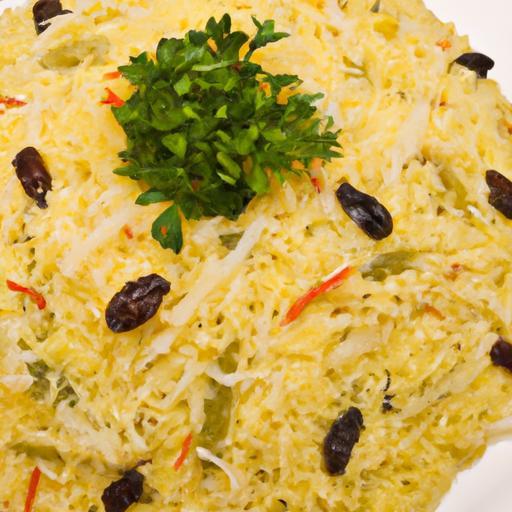
In the rich tapestry of Middle Eastern cuisine, few dishes captivate the senses quite like Maqluba-a culinary marvel whose name translates to “upside-down.” More than just a meal,Maqluba is an enchanting ritual that transforms humble ingredients into a visually stunning,flavour-packed masterpiece.As the pot is flipped to reveal layers of fragrant rice, tender meat, and vibrant vegetables, a captivating story unfolds-a story of heritage, tradition, and the magical alchemy of cooking. Join us as we unveil the secrets behind Maqluba’s flavorful layers, exploring how this upside-down rice dish continues to charm tables and hearts across generations and cultures.
Maqluba Magic offers an extraordinary journey into the heart of Middle Eastern cuisine, where layering fragrant spices, tender vegetables, and perfectly cooked rice create a masterpiece you’ll want to serve again and again. This iconic upside-down rice dish, hailing from Levantine tradition, invites you to master the art of ingredient harmony and develop a deeper appreciation for the sensory magic that happens when spices mingle with moist, fluffy grains. Whether you’re a seasoned cook or a curious beginner, this guide will empower you to confidently recreate the authentic Maqluba Magic experience at home.
Prep and cook Time
- Prep Time: 30 minutes
- Cook Time: 50 minutes
- Total Time: 1 hour 20 minutes
Yield
Serves 6 hearty portions
Difficulty Level
Medium – Ideal for home cooks ready to try a new technique with rewarding results
Ingredients
- 2 cups basmati rice, soaked in cold water for 30 minutes, then drained
- 3 cups chicken broth (or vegetable broth for a vegetarian option)
- 500g chicken thighs, bone-in, skin-on for richness
- 1 large eggplant, sliced into ½-inch thick rounds
- 2 medium potatoes, peeled and sliced into ¼-inch rounds
- 1 large onion, thinly sliced
- 3 garlic cloves, minced
- 1 teaspoon ground allspice
- 1 teaspoon ground cinnamon
- ½ teaspoon turmeric powder
- ½ teaspoon ground nutmeg
- ¼ cup pine nuts, toasted for garnish
- ⅓ cup chopped fresh parsley, for garnish
- Salt and black pepper to taste
- Vegetable oil for frying
Instructions
- Prepare the vegetables. In a large skillet, heat vegetable oil over medium heat. Fry the eggplant slices in batches until golden and softened, about 3 minutes per side. Drain on paper towels to remove excess oil. Repeat with the potato slices, frying until golden and crisp-tender. Set aside.
- Cook the chicken. Season chicken thighs with salt, pepper, and half the allspice, cinnamon, and turmeric. In the same skillet,sear the chicken on both sides until browned but not fully cooked,about 5 minutes per side. Remove and set aside.
- Sauté aromatics. Using remaining oil, sauté the onion and garlic until translucent and fragrant, approximately 5-7 minutes.Stir in the remaining spices along with nutmeg, letting them bloom in the oil for a minute to unlock their full aroma.
- Layer the pot. Using a heavy, deep-bottomed pot, start by evenly layering the cooked chicken thighs at the bottom. Arrange fried eggplant slices over the chicken, then layer potato slices. Carefully spread the soaked and drained basmati rice over the vegetables in an even layer. Pour the warm chicken broth gently over the rice, distributing the liquid evenly without disturbing the layers.
- Cook gently. Cover the pot with a tight-fitting lid. Bring to a boil on medium heat, then reduce to low and simmer for 40-45 minutes, until the rice is tender and the liquid fully absorbed. Avoid uncovering during cooking to maintain the steam essential for perfect texture.
- Rest and invert. Once done, turn off heat and let the pot sit, covered, for 10 minutes. Then, carefully invert the pot onto a large serving platter so the chicken and vegetables reveal themselves atop the rice, creating the signature layered “upside-down” look.
- Garnish and serve. Sprinkle toasted pine nuts and fresh parsley across the top for vibrant color and added richness. Serve with cooling sides such as a cucumber yogurt salad or tangy pickled vegetables to balance the warming spices.
Tips for Success
- Rice soaking: Soaking the basmati rice for at least 30 minutes before cooking helps achieve separate, fluffy grains that don’t clump together.
- Vegetable alternatives: Consider swapping eggplant for cauliflower florets or zucchini for a different vegetable twist.
- Spice customization: Adjust the warmth of the cinnamon and nutmeg to your preference-start lighter if you’re new to these spices.
- Broth richness: Use homemade bone broth for enhanced depth or a quality store-bought option if short on time.
- Make-ahead: You can assemble the layers the night before and refrigerate the pot.bring it to room temperature before cooking for even heat distribution.
- Practice inversion: Place a sturdy plate over the pot before flipping to avoid spills. A clean towel underneath can help stabilize it.
Serving Suggestions
To elevate your Maqluba Magic experience, serve slices alongside a vibrant tabbouleh salad or a chilled cucumber mint raita, balancing the dish with fresh, cooling flavors. Garnish with extra toasted pine nuts and a drizzle of pomegranate molasses for a tangy contrast. Accompany with warm, buttery pita bread to soak up any remaining juices. A light, dry white wine or a refreshing mint lemonade pairs beautifully, rounding out this comforting yet elegant meal.
| Nutrient | Per serving |
|---|---|
| Calories | 420 kcal |
| Protein | 28 g |
| Carbohydrates | 45 g |
| Fat | 12 g |
Discover more about the spices that make this dish so special and deepen your culinary journey.For an authoritative resource on rice selection and cooking techniques, visit the encyclopaedia Britannica’s rice overview.

Q&A
Q&A: Maqluba Magic – Unveiling the Flavors of Upside-Down Rice
Q1: What exactly is Maqluba?
A1: Maqluba, meaning “upside-down” in Arabic, is a beloved Middle Eastern dish renowned for its dramatic presentation and harmonious flavors. It’s a layered rice casserole typically including fragrant spices, tender meat (like lamb or chicken), and an assortment of vegetables. Once cooked, the pot is flipped upside down to reveal a stunning, multi-colored mosaic of ingredients-a feast both for the eyes and the palate.
Q2: Why is Maqluba called the “upside-down” dish?
A2: The name “Maqluba” comes from the Arabic word for “flipped” or “turned over,” highlighting its signature serving style. After simmering, the pot is inverted onto a large platter, turning the layers of meat, rice, and veggies right-side up. This theatrical flip not only showcases the gorgeous layers but also seals the dish’s place as a centerpiece of communal meals.
Q3: What makes Maqluba so flavorful?
A3: Maqluba’s magic lies in its layering and slow cooking.Each layer is seasoned meticulously-with spices like cinnamon, allspice, turmeric, and cumin-infusing the rice and meat with a symphony of aromas. the vegetables,often including eggplants,cauliflower,and potatoes,absorb these spices and rich meat juices,creating a depth of flavor that’s both complex and comforting.
Q4: is Maqluba arduous to prepare?
A4: While Maqluba has several steps, it’s surprisingly approachable with a bit of practice and patience. The key is in the careful layering: vegetables and meat are fried or roasted first, then placed in the pot in tidy layers before pouring in the seasoned rice and broth. With a steady simmer and a confident flip at the end,you unlock the dish’s full magic.
Q5: Can Maqluba be customized for different tastes or diets?
A5: Absolutely! Maqluba is versatile and adaptable. Traditional recipes often feature lamb or chicken,but you can swap in beef or even make a vegetarian version using hearty legumes or mushrooms. Vegetables can vary seasonally or by preference-try adding carrots,zucchini,or even sweet potatoes. This flexibility allows Maqluba to suit a wide range of palates and dietary choices.
Q6: How is Maqluba traditionally served?
A6: Maqluba is more than just a meal-it’s a social event. It’s typically served family-style,accompanied by tangy yogurt or cucumber salad and fresh herbs like parsley or mint.The act of flipping the pot and sharing from a communal platter fosters connection, making the experience as memorable as the flavors themselves.
Q7: What cultural significance does Maqluba hold?
A7: Maqluba carries deep cultural roots across Levantine countries like Palestine, Jordan, and Syria. It’s a dish frequently enough reserved for special occasions, family gatherings, and celebrations, symbolizing hospitality, warmth, and communal spirit. Beyond nourishment, Maqluba tells a story of tradition passed down through generations-each flip of the pot honoring a shared heritage.
Q8: Any tips for first-timers wanting to try Maqluba?
A8: start with a trusted recipe and don’t rush the layering process-it’s key to Maqluba’s beauty and taste. Use good-quality basmati rice for fluffy grains,and fry your vegetables until golden to enhance flavor and texture.When it’s time to flip, place a sturdy plate over the pot, invert quickly but carefully, and lift the pot to unveil your masterpiece. be ready for compliments-this dish is as enchanting as it is delicious!
In Summary
As the tantalizing aroma of Maqluba fills the air and the layers of golden rice, tender meat, and vibrant vegetables emerge in their artful upside-down reveal, we are reminded that this dish is more than just a meal-it’s a celebration of heritage, culture, and communal joy. Maqluba’s magic lies not only in its unique preparation but in how it unites flavors and stories from generations past, inviting us all to savor the rich tapestry of Middle Eastern cuisine. So next time you flip that pot and unveil the masterpiece within, remember: you’re not just serving food-you’re sharing a tradition that turns every meal into an unforgettable experience.