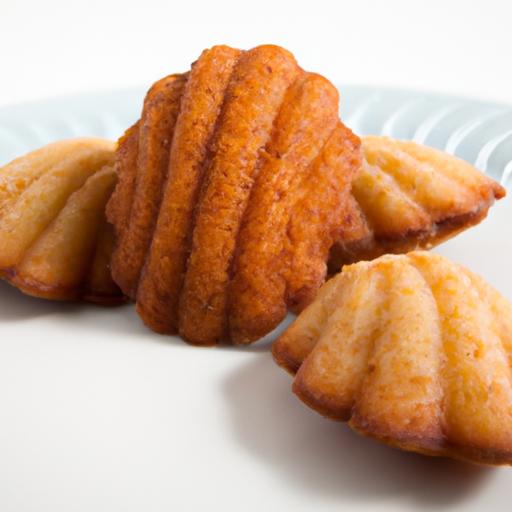

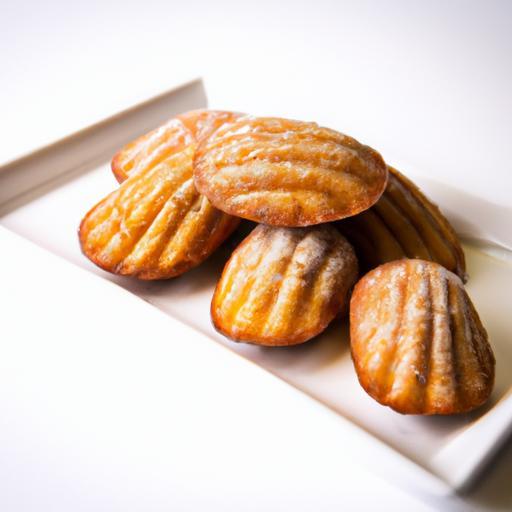
In the world of pastries, few treats evoke the delicate charm and timeless elegance quite like the madeleine. These petite, shell-shaped cakes have journeyed far beyond their humble origins in the French Lorraine region to become icons of culinary artistry and cultural nostalgia. But what is it that makes madeleines so irresistibly enchanting? In this article, we unwrap the layers of history, technique, and tradition behind France’s tiny cakes, revealing the secrets that have captivated sweet lovers for centuries. From buttery crumb to their signature scalloped silhouette, join us as we delve into the story and science that give madeleines their unforgettable magic.
Madeleines unwrapped reveals the enchanting story behind France’s tiny cakes-those delicate, shell-shaped treats that whisper of centuries-old tradition and refined pastry craft. Born in the northeastern region of Lorraine, these butter-rich sponge cakes have traveled from humble beginnings to become a symbol of French elegance. Every bite offers a tender crumb with a hint of zesty lemon and a golden crust that melts softly on the tongue,embodying the essence of French patisserie.
Prep and Cook Time
- planning: 20 minutes
- Resting time: 1 hour (chilling the batter)
- Baking time: 10-12 minutes
Yield
- Makes approximately 24 madeleines (3 dozen small cakes)
Difficulty Level
- Medium – requires some attention to detail, but rewarding and approachable for home bakers
Ingredients
- 1 cup all-purpose flour, sifted
- 1/2 teaspoon baking powder
- 2 large eggs, at room temperature
- 3/4 cup granulated sugar
- 1 teaspoon pure vanilla extract
- 2 teaspoons finely grated lemon zest (optional for zestier flavor)
- 1/2 cup unsalted butter, melted and cooled slightly, plus extra for greasing
- 1 pinch of fine sea salt
- Powdered sugar for dusting (optional but recommended)
Instructions
- Prepare your madeleine molds: Generously brush each shell cavity with melted butter and dust with all-purpose flour. Tap out excess flour and refrigerate to chill. Cold molds help create the signature “bump” on each cake.
- Whisk eggs and sugar: In a large mixing bowl, vigorously whisk the eggs and granulated sugar until pale, thick, and frothy. this may take 5-7 minutes by hand or 3-4 minutes with an electric mixer on high speed.The air incorporated here is key to the tender texture.
- Add flavorings: Gently fold in the vanilla extract and lemon zest, infusing the batter with aromatic brightness.
- Sift and fold dry ingredients: Combine the sifted flour,baking powder,and sea salt in a separate bowl. Gradually fold this mixture into the egg mixture, using a gentle hand to avoid deflating your batter.
- Incorporate butter: Slowly drizzle the melted butter around the edge of the batter and fold carefully until fully incorporated. The warm butter adds richness and helps the cakes develop their golden crust.
- Chill the batter: cover the bowl with plastic wrap and refrigerate for at least 1 hour (or overnight) to rest the batter.This chilling step improves texture, encourages the classic hump, and makes the cakes delightfully airy.
- Preheat your oven: Set to 375°F (190°C) with a rack in the middle.
- Fill molds and bake: Spoon batter into each cavity, filling about three-quarters full to allow room for rise. Bake for 10-12 minutes, or until the edges are golden brown and the centers spring back lightly when touched.
- Release and cool: Remove the pan from the oven and let sit for 2 minutes before carefully nudging each madeleine from its mold onto a cooling rack.
- Finish with a dusting: Once cooled, lightly dust with powdered sugar for an elegant, delicate finish.
tips for Success with Madeleines Unwrapped
- Temperature matters: Use room temperature eggs for better emulsification and a more cohesive batter.
- Resting the batter: Do not skip chilling. Resting allows the gluten to relax, creating the tender crumb and the iconic hump.
- Butter your molds thoroughly: An even, buttery coating ensures easy release and the perfect golden crust.
- Experiment with flavors: Try infusing the batter with ground lavender, orange zest, or a splash of almond extract for a gourmet edge.
- Storing madeleines: Keep them in an airtight container at room temperature for up to 2 days. For longer storage, freeze uniced madeleines in a sealed bag and warm gently before serving.
Serving suggestions
Present your madeleines on a simple porcelain platter, dusted with powdered sugar and accompanied by a pot of fragrant Earl Gray tea or a classic café au lait. For an indulgent variation, serve alongside a small ramekin of fruit-infused whipped cream or a drizzle of dark chocolate ganache. Garnish with thin lemon twists or edible flowers to amplify their visual charm and seasonal appeal. These petite cakes also make exquisite gifts tucked into delicate parchment and tied with twine-timeless tokens from the heart of French culture.

| Nutritional Aspect | Per Madeleine (approx.) |
|---|---|
| calories | 90 kcal |
| Protein | 1.3 g |
| Carbohydrates | 12 g |
| Fat | 4.5 g |
For further inspiration on French pastries and mastering traditional techniques,explore our Classic French Pastries collection. Additionally, delve into the rich history of French culinary arts at Encyclopedia Britannica.
Q&A
Q&A: Madeleines Unwrapped – The Secret Behind France’s Tiny Cakes
Q1: What exactly is a madeleine?
A1: At first glance, a madeleine looks like a tiny, scalloped shell-a petite sponge cake with a tender crumb and a slightly crisp exterior. Originating from the Lorraine region of France, these bite-sized beauties are buttery, subtly flavored with vanilla or lemon, and often dusted with powdered sugar. But don’t let their simplicity fool you; there’s a depth of tradition baked right inside.Q2: Why are madeleines shaped like shells?
A2: The distinctive shell shape comes from the special pans in which madeleines are baked. Legend has it that a young maid named Madeleine baked these cakes to please a French duke, using shell-shaped molds inspired by the Saint James pilgrimage symbol. This charming shape not only adds visual appeal but also influences the cake’s texture-crispy edges embracing a moist interior.
Q3: What makes madeleines so unique compared to other cakes?
A3: It’s all about the delicate balance. Madeleines combine the lightness of a sponge cake with the richness of butter, creating an airy texture that melts in your mouth. The batter is usually rested before baking, allowing the flavors to develop and the cakes to puff up perfectly. The bloom of a “hump” on top is a coveted sign of a well-made madeleine, showcasing expert technique.
Q4: Are there any secrets to achieving the perfect madeleine rise?
A4: Indeed! The secret lies in temperature (both batter and oven), resting time, and butter. Traditionally, the butter is browned, lending a nutty depth, while the batter often chills to encourage the famous hump. Baking in a very hot oven initially helps trigger that signature rise before it gradually cooks through.
Q5: How have madeleines evolved over time?
A5: While classic lemon or vanilla remains beloved, today’s madeleines embrace a spectrum of flavors-from lavender and matcha to chocolate and even salty caramel. Some are dipped in chocolate or glazed, blending French tradition with modern flair. Yet, no matter how inventive the twist, the essence of the shell-shaped, buttery cake endures.Q6: Can madeleines tell a bigger story about French culture?
A6: Absolutely. More than just a pastry, madeleines have seeped into French literature and memory-most famously in Marcel Proust’s “In Search of Lost Time,” where a madeleine dipped in tea unlocks a flood of nostalgic memories. Thay symbolize the intimate connection between food, memory, and identity in French life.
Q7: Where can I taste authentic madeleines outside France?
A7: While Parisian patisseries are the gold standard, many artisanal bakeries worldwide now craft authentic madeleines using traditional methods. For an at-home adventure, no special equipment is needed beyond a madeleine pan, and making your own can be a delightful way to unwrap a slice of French heritage in your kitchen.
Q8: What’s the best way to enjoy a madeleine?
A8: Best served slightly warm with a cup of tea or coffee, madeleines invite slow savoring. Their delicate crumb calls for gentle bites, allowing the buttery, citrusy flavors to unfold. Whether as a morning treat, an afternoon companion, or a nostalgic reminder of France, madeleines are a tiny indulgence with a grand story.
Peek behind the shell-shaped curtain, and you’ll discover that madeleines are more than just cakes-they’re little parcels of history, flavor, and culture, waiting to be unwrapped one bite at a time.
Closing Remarks
As the golden edges of a madeleine emerge from their shell-shaped molds, so too does a story steeped in history, tradition, and a touch of French magic.These tiny cakes are more than just a sweet treat; they are edible echoes of a culture that values artistry, simplicity, and the joy found in the little things. Whether enjoyed with a morning coffee or as an accompaniment to a quiet moment of reflection, madeleines invite us to unwrap not only their delicate flavors but the rich heritage they carry. So next time you savor one of these tender, buttery bites, remember-you’re tasting a piece of France’s heart, lovingly baked into every crumb.