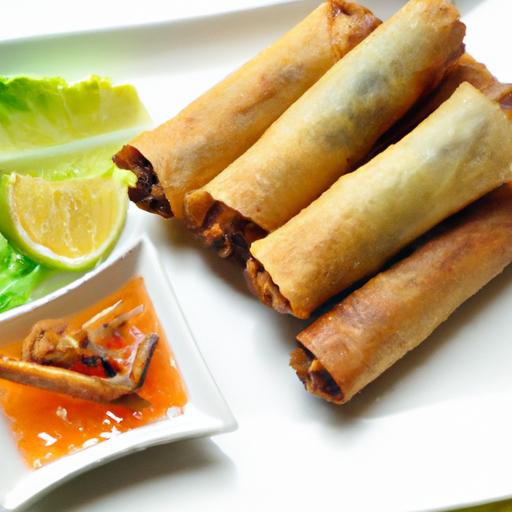

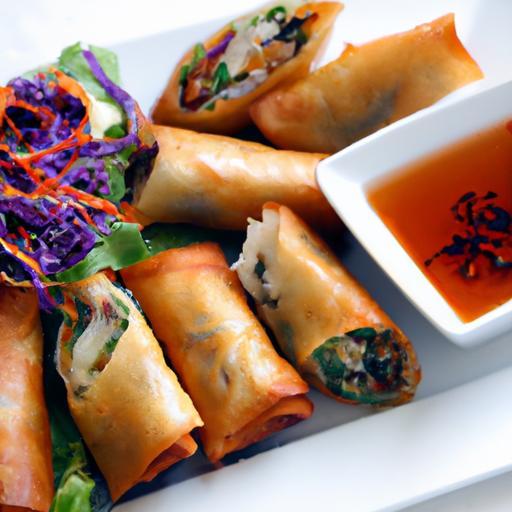
crisp, golden, and bursting with savory goodness, lumpia is more than just a Filipino spring roll-it’s a flavorful journey wrapped in tradition. From bustling street markets to festive family gatherings, this beloved snack transcends mere appetizer status, embodying the rich tapestry of Philippine culture and culinary ingenuity. In “Lumpia Unwrapped: Exploring the Filipino Spring Roll Delight,” we peel back the layers of this iconic dish, uncovering its history, regional variations, and the artistry behind its perfect crunch. Join us as we unwrap the stories and flavors that make lumpia a timeless treasure in Filipino cuisine.
Lumpia Unwrapped invites you to experience the rich tapestry of Filipino culinary history through the beloved spring roll that has delighted generations. Originating from Chinese influences and lovingly adapted by Filipino culture, this dish embodies a harmonious blend of textures and flavors-from crisp, golden wrappers to savory, aromatic fillings. Whether savored as a festive appetizer or a comforting everyday snack, lumpia is a celebration of communal joy and regional diversity that captivates both the eye and palate.
Prep and Cook time
- Readiness: 30 minutes
- Cooking: 20 minutes
- Total: 50 minutes
Yield
Approximately 20 large lumpia rolls (serves 6-8)
Difficulty Level
Medium – Requires basic rolling skills and sautéing experience
Ingredients
- 20 pieces lumpia wrappers (fresh or frozen, thawed if frozen)
- 1 lb ground pork (or a combination of pork and beef)
- 1 medium carrot, finely julienned
- 1 cup green beans, finely chopped
- 1 small onion, minced
- 3 cloves garlic, minced
- ½ cup shrimp, peeled, deveined, and chopped (optional)
- 2 tbsp soy sauce
- 1 tbsp oyster sauce
- ½ tsp ground black pepper
- 1 egg, lightly beaten (for sealing)
- Vegetable oil for frying (about 2 cups)
- Spring roll dipping sauce or sweet chili sauce for serving
Instructions
- Prepare the filling: In a large skillet or wok, heat a small amount of oil over medium heat. Sauté the minced garlic and onion until fragrant and translucent, about 2-3 minutes.
- Add the ground pork: Cook until browned and cooked through, breaking up lumps with a wooden spoon, around 5-7 minutes.
- Incorporate the vegetables and shrimp: Mix in the carrots, chopped green beans, and shrimp if using. Continue to cook for another 3-4 minutes until vegetables soften but retain slight crunch.
- Season the filling: Stir in soy sauce, oyster sauce, and pepper, blending all ingredients well. Remove from heat and let the filling cool slightly-this step ensures easier wrapping and prevents soggy lumpia.
- Assemble the lumpia: lay one lumpia wrapper on a clean, dry surface with one corner pointing toward you (diamond shape). Place about 2 tablespoons of filling near the corner closest to you.
- Roll and seal: fold the bottom corner over the filling, tuck in the left and right corners snugly, then continue rolling tightly but gently until about an inch remains. Brush the final edge with the beaten egg to seal.
- Repeat: Continue rolling with remaining wrappers and filling, arranging rolled lumpia on a tray lined with parchment to prevent sticking.
- Fry to golden perfection: Heat vegetable oil in a deep skillet over medium-high heat (about 350°F). Fry lumpia in batches, turning occasionally, until crisp and golden brown, roughly 3-4 minutes per batch.
- Drain and serve: Use a slotted spoon to transfer lumpia to a paper towel-lined plate to drain excess oil. Serve warm with your choice of dipping sauce.
Tips for Success
- Wrapper choice matters: Fresh lumpia wrappers offer superior pliability; if unavailable, thaw frozen wrappers carefully and separate with care to avoid tearing.
- Don’t overfill: Moderation in filling prevents bursting during frying and ensures a perfect crisp outer shell.
- Customize fats: For a leaner version, substitute ground pork with ground chicken or turkey, but expect a slight change in flavor and moisture.
- Make ahead: Wrap lumpia completely and freeze on a baking sheet. Once frozen solid, transfer to ziplock bags. Deep fry from frozen, adding an extra minute to cooking time.
- Drain oil well: Pat dry with absorbent paper towels to retain crisp texture and avoid greasiness.
serving Suggestions: Elevate Your Lumpia Experience
Present your lumpia rolls on a long platter garnished with fresh chopped scallions and a sprinkle of toasted sesame seeds for a visual and textural contrast. Pair with a trio of dipping sauces: a traditional VP-style sweet and sour sauce, a fiery spicy vinegar dip, and a cool garlic aioli. Serve alongside a refreshing salad of shredded green papaya or a tangy pickled vegetable medley to balance the richness. Finish with a wedge of calamansi or lime for an added pop of acidity.

| Nutritional info (per 2 rolls) | Calories | Protein (g) | Carbs (g) | Fat (g) |
|---|---|---|---|---|
| Lumpia | 220 | 14 | 18 | 10 |
For a deeper dive into regional Filipino dishes, check out our Filipino Regional Cuisine Guide to complement your lumpia adventure.
Q&A
Q&A: Lumpia Unwrapped – exploring the Filipino Spring Roll Delight
Q1: What exactly is Lumpia?
A1: Lumpia is the Filipino version of the beloved spring roll-crispy, golden, and packed with a flavorful medley of ingredients. Unlike its Western counterparts, Filipino lumpia brings a unique blend of savory fillings wrapped in a thin, delicate wrapper, resulting in a crunchy exterior that gives way to a burst of taste.
Q2: How did lumpia become a Filipino staple?
A2: Lumpia’s origins trace back to Chinese spring rolls, brought to the Philippines through centuries of trade and cultural exchange. Over time,Filipinos adapted the recipe with local ingredients,turning it into a festive mainstay at celebrations,family gatherings,and street stalls across the country.Q3: What are the different types of lumpia?
A3: Lumpia comes in many appetizing varieties! The most common are Lumpiang Shanghai-small, meat-filled rolls usually served as appetizers-and Lumpiang Gulay, filled with fresh vegetables for a lighter option. There’s also Lumpiang ubod that features heart of palm, and sweet versions like Turon, which is banana wrapped in spring roll wrappers and caramelized.
Q4: What ingredients typically go inside a lumpia?
A4: Traditional lumpia fillings often include ground pork or beef, minced garlic and onions, grated carrots, bean sprouts, and sometimes shrimp or tofu. These are seasoned with soy sauce, pepper, and a hint of sugar, then lovingly wrapped in paper-thin lumpia wrappers.
Q5: How is lumpia traditionally served?
A5: Lumpia is served fresh and hot, usually accompanied by a dipping sauce that complements its crispy texture. The dipping sauces vary-from sweet and tangy banana ketchup to garlicky vinegar or a spicy-sour concoction-each enhancing the overall experience.
Q6: Can lumpia be made healthier?
A6: Absolutely! While deep-frying is the traditional cooking method, lumpia can also be baked or air-fried for a lighter crunch. Using lean meats, incorporating more vegetables, or experimenting with whole-wheat wrappers can add a nutritious twist without sacrificing flavor.
Q7: Why is lumpia more than just a snack in Filipino culture?
A7: Lumpia transcends being mere finger food; it symbolizes Filipino hospitality and celebration. It’s often one of the first dishes prepared for special occasions, embodying the warmth and togetherness of Filipino families. Sharing lumpia is sharing a piece of cultural heritage wrapped in every bite.
Q8: How can someone outside the Philippines experience authentic lumpia?
A8: To taste genuine lumpia outside the philippines, visit Filipino restaurants or community events, where the dish is made fresh with traditional techniques. Alternatively, home-cooking with authentic lumpia wrappers and ingredients can bring this delightful roll to your own table, ensuring a crispy experience steeped in Filipino flavor.Q9: What makes lumpia stand out among other spring rolls worldwide?
A9: Lumpia’s distinct charm lies in its balance of textures and its uniquely Filipino flavor profile. While many spring rolls lean toward either sweet or savory, lumpia melds both, offering versatility-from savory meat-filled rolls to sweet, caramelized banana turon. The cultural stories wrapped within each roll add layers of meaning beyond taste.
Q10: Can lumpia inspire new culinary creations?
A10: Without a doubt! Lumpia’s adaptable nature invites endless creativity. Chefs and home cooks experiment by adding international ingredients,fusing it with other cuisines,or reinventing the fillings and sauces. Whether it’s lumpia tacos or dessert lumpia twists, this Filipino classic continues to evolve while honoring its roots.
to Conclude
As we peel back the layers of Lumpia, it becomes clear that this beloved Filipino spring roll is much more than just a culinary delight-it’s a fragrant thread woven through the vibrant tapestry of Filipino culture. From humble street stalls to festive family gatherings, Lumpia serves as a flavorful reminder of tradition, community, and creativity wrapped in every bite. Whether you savor it crispy or fresh,filled with savory meats or colorful vegetables,Lumpia invites you to explore the heart of Filipino cuisine,one delicious roll at a time. So next time you unwrap this golden treasure, remember that you’re tasting a story centuries in the making-rolled tightly in every fold, waiting to be discovered.