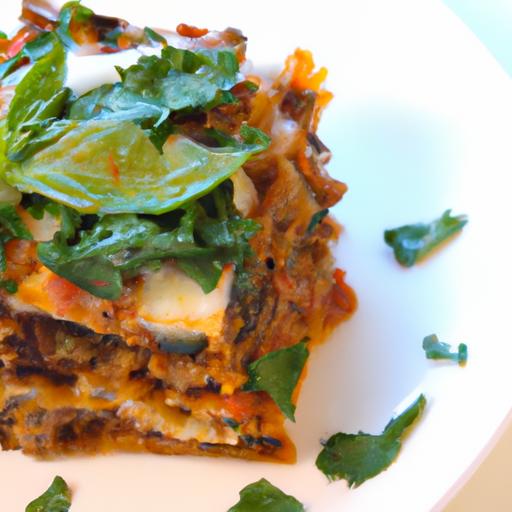

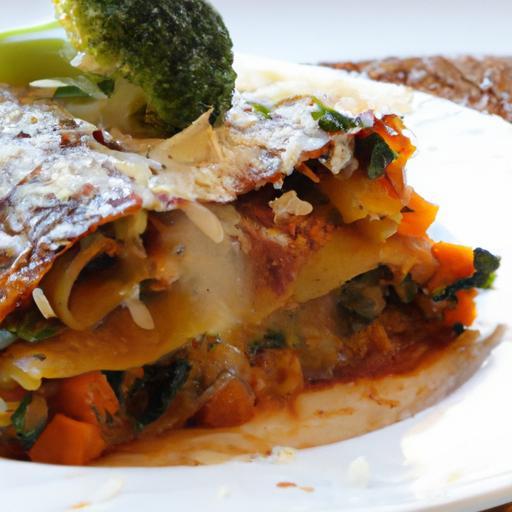
Beneath the golden, bubbling crust of a perfectly baked lasagna lies a symphony of flavors and textures-each layer telling its own tale of comfort and creativity. But what if the classic Italian favourite coudl be reimagined,vibrant and plant-powered,without sacrificing an ounce of its soul? Welcome to Layers of Goodness: The Ultimate Guide to Vegan Lasagna, where wholesome ingredients come together in harmonious stacks of tender noodles,rich sauces,and hearty fillings. Whether you’re a seasoned vegan, a curious cook, or simply a lover of delicious food, this guide will take you on a flavorful journey, unveiling tips, recipes, and secrets to crafting lasagna that’s as nourishing as it is irresistible. Prepare to dig into a dish that celebrates compassion,sustainability,and,most importantly,amazing taste-one luscious layer at a time.
Layers of Goodness begin with selecting vibrant, fresh plant-based ingredients that bring both depth and texture to your vegan lasagna. The beauty of this dish lies in its ability to transform humble vegetables, creamy nuts, and fragrant herbs into a symphony of flavors that satisfy both the palate and soul. As you dive into crafting this masterpiece, mastering cashew cream and vegan cheese substitutes will elevate every bite to luscious, creamy perfection-without relying on dairy.
Prep and Cook time
- Preparation: 40 minutes
- Cooking: 45 minutes
- Total Time: 1 hour 25 minutes
Yield
- Serves 6 hearty portions
Difficulty Level
- Medium – perfect for home cooks ready to impress
ingredients
- For the Cashew Cream:
- 1 ½ cups raw cashews, soaked for 4 hours and drained
- ¾ cup water (adjust for desired consistency)
- 2 tablespoons nutritional yeast
- 1 tablespoon fresh lemon juice
- 1 small garlic clove
- ½ teaspoon sea salt
- For the Vegan Cheese Substitute:
- 1 cup firm tofu, pressed and crumbled
- 2 tablespoons nutritional yeast
- 1 teaspoon apple cider vinegar
- ½ teaspoon garlic powder
- ½ teaspoon onion powder
- Salt and pepper to taste
- Hearty Sauce and Veggie Layers:
- 2 tablespoons olive oil
- 1 medium onion, finely chopped
- 3 garlic cloves, minced
- 1 medium zucchini, diced
- 1 red bell pepper, diced
- 2 cups mushrooms, sliced (preferably cremini or shiitake)
- 1 cup fresh spinach, roughly chopped
- 1 can (14 oz) crushed tomatoes
- 1 tablespoon tomato paste
- 1 teaspoon dried oregano
- 1 teaspoon fresh thyme leaves, chopped
- Salt and freshly ground black pepper, to taste
- Additional:
- 9-12 no-boil vegan lasagna noodles
- Fresh basil leaves for garnish
- Chopped parsley, optional
Instructions
- Prepare the Cashew Cream: In a high-speed blender, combine soaked cashews, water, nutritional yeast, lemon juice, garlic, and salt. Blend on high until silky smooth and creamy, scraping down the sides as needed. Adjust water in small increments if you prefer a thinner or thicker cream. Set aside.
- Make the Vegan Cheese Substitute: In a bowl, mash crumbled tofu with nutritional yeast, apple cider vinegar, garlic powder, onion powder, salt, and pepper. Mix until creamy but slightly textured. Refrigerate until layering.
- Sauté the Vegetables: Heat olive oil in a large skillet over medium heat.Add chopped onions and garlic, cooking until translucent and fragrant, about 5 minutes. Stir in zucchini,bell pepper,and mushrooms. Sauté until vegetables soften and release their moisture, 7-8 minutes, stirring often to prevent sticking.
- Add Tomatoes and Herbs: Stir in crushed tomatoes, tomato paste, oregano, and thyme. Simmer gently for 10 minutes, allowing flavors to meld.Season with salt and pepper. Fold in chopped spinach during the last 2 minutes of simmering, letting it wilt evenly.
- Assemble the Lasagna: Preheat oven to 375°F (190°C). In a 9×13-inch baking dish,spread a thin layer of the vegetable tomato sauce. Lay down a layer of no-boil noodles (3-4 noodles, depending on size). Spread half of the cashew cream evenly over noodles, then dollop half of the tofu cheese substitute. Top with a generous ladle of sauce, repeating layers until all ingredients are used, finishing with sauce and a swirl of cashew cream.
- Bake to Perfection: Cover the dish with aluminum foil and bake for 30 minutes.Remove the foil and bake for an additional 15 minutes to allow the top to lightly brown and set. Let the lasagna rest for 10 minutes before slicing-this ensures clean cuts and rich layers that hold together beautifully.
- Garnish and Serve: Sprinkle with fresh basil and parsley.Serve warm, enjoying each sumptuous, plant-based layer of creamy, savory goodness.
Tips for Success
- Soak your cashews well: For the creamiest cashew cream,soak for at least 4 hours or overnight. If short on time, soak in hot water for 1 hour.
- Customize veggies seasonally: Swap zucchini and bell peppers with roasted butternut squash, eggplant, or kale for different textures and flavors.
- Boost umami: Add a splash of soy sauce or a teaspoon of miso paste into your sauce for a richer savoriness.
- Make ahead friendly: Assemble the lasagna a day in advance,refrigerate,and bake just before serving to deepen flavors.
- No-boil noodles tip: Ensure the sauce is moist enough to soften the noodles in the oven, or briefly simulate boiling with warm water.
- For nut allergies: Swap cashew cream for blended silken tofu mixed with a bit of olive oil and garlic for a nut-free creamy layer.
Serving Suggestions
Plate your vegan lasagna slices alongside a crisp, refreshing arugula salad tossed with lemon vinaigrette to cut through the creamy layers. garnish each serving with fresh basil leaves and a sprinkle of toasted pine nuts for crunch. Accompany with a glass of chilled vegan white wine or a sparkling herbal iced tea to enhance the vibrant flavors. For a colorful feast, top with microgreens or edible flowers, adding visual delight along with fresh flavor.
| Nutrient | Per Serving (Approx.) |
|---|---|
| Calories | 360 kcal |
| Protein | 12 g |
| Carbohydrates | 42 g |
| Fat | 14 g |

For further inspiration, check out our in-depth guide on vegan cheese making techniques. For nutritional insights on plant-based diets, visit healthline’s Plant-Based Diet Guide.
Q&A
Q&A: Layers of Goodness – The Ultimate Guide to Vegan Lasagna
Q1: What makes vegan lasagna stand out from the traditional version?
A1: Vegan lasagna transforms the classic comfort dish by ditching dairy and meat, swapping them for plant-powered ingredients. Rather of ricotta or cheese, you’ll find creamy cashew blends or tofu-based fillings. Layers of veggies, rich tomato sauces, and tender pasta sheets come together to create a hearty, wholesome experience that’s kind to animals and the planet.
Q2: How do you achieve that cheesy, gooey texture without dairy?
A2: The secret lies in nature’s own creamers and melters. Cashews soaked and blended with nutritional yeast, lemon juice, and a hint of garlic create a luscious “ricotta” that melts beautifully. Some recipes use store-bought vegan cheese melts or a combination of soaked nuts and starches to mimic that irresistible stretchy texture.
Q3: What are the best vegetables to layer for maximum flavor and nutrition?
A3: Think vibrant, colorful, and nutrient-rich! Spinach and kale add iron and a fresh earthiness, mushrooms bring umami depth, and roasted zucchini or eggplant offer a satisfying texture. Roasted bell peppers add sweetness, while caramelized onions provide a subtle bite. The key is layering veggies that complement each other both in taste and nutrition.
Q4: Can gluten-free pasta be used in vegan lasagna?
A4: Absolutely! Gluten-free pasta sheets made from rice,chickpeas,or lentils are excellent substitutes. They hold up well in the baking process and add their own unique flavor profiles, making your lasagna accessible to those with gluten sensitivities without sacrificing that classic layered appeal.
Q5: How do you prevent the lasagna from becoming soggy?
A5: Moisture management is crucial. Start with a thick,hearty tomato sauce rather than watery marinara,and ensure your veggies are either roasted or sautéed to reduce excess water content. Using no-boil noodles can also help avoid sogginess sence they absorb moisture gradually during baking. Lastly, going easy on the sauce layers balances liquid distribution perfectly.
Q6: Is vegan lasagna tough to prepare for beginners?
A6: Not at all! Once you gather your ingredients, the process is as straightforward as layering and baking. many recipes simplify the “cheese” components using blender recipes, and pre-chopped veggies can speed things up. The biggest challenge might be practicing patience while waiting for those delicious layers of goodness to bake into a golden, bubbling masterpiece.
Q7: Any tips for making vegan lasagna more exciting or unique?
A7: Creativity is your best friend! Experiment with herbs like fresh basil or oregano for an aromatic punch. Add lentils or chickpeas for extra protein, or layer in a smoky vegan sausage option to give bold flavor. For a fun twist, try using sweet potato or butternut squash ribbons in place of pasta sheets for a gluten-free, colorful spin.
Q8: How long does vegan lasagna keep, and can it be frozen?
A8: Vegan lasagna stores beautifully! It keeps well in the fridge for about 4-5 days, making it excellent for meal prep. It also freezes wonderfully-wrap it tightly and freeze in portions to enjoy layers of goodness anytime. Just thaw before baking or reheating, and you’ll have a comforting, plant-based feast ready to go.
Dive into the world of vegan lasagna and layer your way to a dish that’s nourishing, delightful, and bursting with plant-based goodness!
to sum up
As the final forkful melts on your tongue, it’s clear that vegan lasagna isn’t just a dish – it’s a layered symphony of flavors, textures, and wholesome goodness.From the rich, savory sauces to the tender sheets of pasta and the vibrant medley of plant-based fillings, each ingredient plays its part in creating a culinary masterpiece that satisfies both body and soul. Whether you’re a longtime vegan or simply curious about plant-powered cooking, embracing these layers of goodness invites you to explore a world where compassion meets cuisine, proving that delicious can also be kind. So, gather your ingredients, roll up your sleeves, and let this ultimate guide inspire your next kitchen adventure – because every great meal deserves to be built from the ground up, with heart and harmony in every bite.