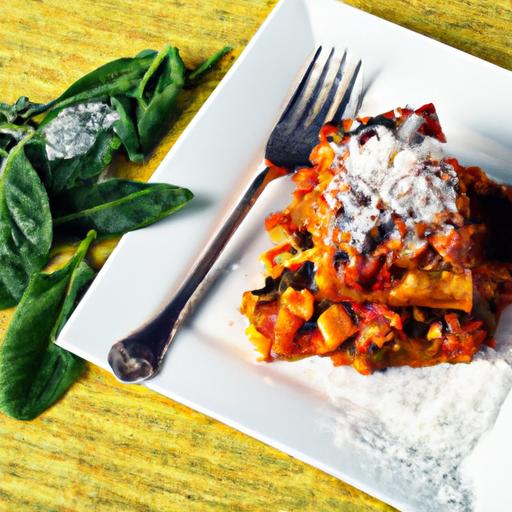

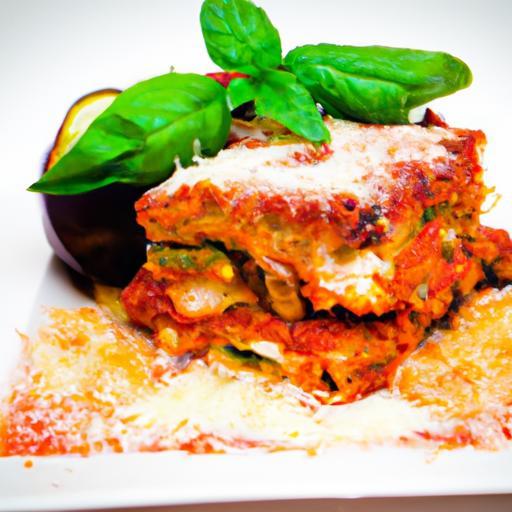
In the vibrant world of plant-based cuisine, few dishes capture the imagination quite like vegan lasagna-a harmonious symphony of textures, flavors, and colors stacked lovingly between tender sheets of pasta.”Layered Delight: Exploring the Art of Vegan Lasagna” invites you on a culinary journey were tradition meets innovation, revealing how this classic Italian favorite can be reimagined without compromise. From silky cashew ricotta to hearty layers of roasted vegetables and rich tomato sauce, vegan lasagna is more than a meal-it’s an edible masterpiece that celebrates creativity, compassion, and the joy of wholesome ingredients. Join us as we peel back the layers to discover techniques, tips, and inspirations that transform simple plant-based components into a dish bursting with depth and delight.
Crafting the Perfect Plant-Based Pasta Sheets
Layered Delight: Exploring the Art of Vegan Lasagna begins with mastering delicate,pliable pasta sheets that provide the perfect foundation for rich and vibrant fillings. Creating plant-based pasta from scratch not only enhances the texture but also infuses a subtle depth of flavor that store-bought varieties often lack. A simple combination of all-purpose flour, a pinch of salt, and a mixture of water with a touch of olive oil yields silky, smooth dough ready to embrace the hearty layers ahead.
When rolling out the dough, aim for a thickness that is thin enough to cook evenly yet substantial enough to hold the luscious fillings without tearing.Using a pasta machine or a floured rolling pin,roll the dough into uniform sheets about 1/16 inch thick. Lightly dust with semolina flour to prevent sticking and ensure effortless layering.
Building Flavorful Layers with Seasonal Vegetables and Herbs
The magic of this dish pulses in the vibrant, fresh vegetables and aromatic herbs carefully curated to embody the season’s bounty. Think tender zucchini ribbons, roasted eggplants, and caramelized mushrooms, each sautéed or roasted to bring out their natural sweetness and umami. Brighten the layers with freshly chopped basil, thyme, or oregano to elevate each bite with herbal complexity that lingers delightfully on the palate.
To build harmonious flavor profiles, season each vegetable component with a pinch of sea salt, freshly cracked black pepper, and a squeeze of lemon juice or a dash of balsamic vinegar. These small touches lift the vegetables and keep every layer vibrant and balanced.
Choosing the Ideal Vegan Cheeses for Creamy Texture
Authenticity and creaminess come alive with the smart selection of vegan cheeses, transforming this layered wonder into an indulgent comfort food. Look for soft, meltable varieties like cashew-based ricotta or almond mozzarella for their luscious consistency and mild, nutty notes. Blending these with a touch of nutritional yeast adds subtle cheesiness and umami depth without overpowering the freshness of the vegetables.
For creaminess and stretch, consider layering thin slices of smoked tofu or vegan bocconcini between vegetables and pasta. A drizzle of a velvety béchamel sauce made with plant-based milk rounds out the texture, creating irresistible pockets of richness in every forkful.
Mastering Sauces That Elevate Every Bite
The soul of your vegan lasagna resides in its sauces-a dance between the bright and herbaceous tomato sauce and the luscious creamy béchamel.Start with a homemade tomato sauce bursting with roasted garlic, fresh tomatoes, and herbs simmered gently until thickened. the natural acidity of the tomatoes balances the richness of the béchamel.
Craft a dairy-free béchamel by whisking plant-based milk into a roux of vegan butter and flour until glossy and thick, then infuse it with nutritional yeast, a pinch of nutmeg, and garlic powder. Layer these sauces alternately with your pasta, vegetables, and vegan cheeses to create a textural and flavor harmony that delights the senses with each bite.
Prep and Cook Time
- Planning: 40 minutes (including pasta dough resting time)
- Cooking: 50 minutes
- Total: 1 hour 30 minutes
Yield
Serves 6 generous portions
Difficulty Level
Medium – approachable for home cooks ready to embrace some hands-on technique
Ingredients
- For the Pasta Sheets:
- 2 cups all-purpose flour, sifted
- 1/2 teaspoon sea salt
- 3/4 cup warm water
- 1 tablespoon extra virgin olive oil
- Semolina flour, for dusting
- For the Seasonal Vegetables:
- 1 medium zucchini, sliced into ribbons
- 1 medium eggplant, cubed and roasted
- 8 oz cremini mushrooms, sliced
- 2 tablespoons olive oil
- 1 teaspoon dried thyme
- Salt and pepper, to taste
- For the Vegan Ricotta:
- 1 ½ cups raw cashews, soaked for 4 hours and drained
- 2 tablespoons lemon juice
- 1/4 cup water
- 2 tablespoons nutritional yeast
- 1 garlic clove, minced
- Salt to taste
- For the Tomato Sauce:
- 4 large ripe tomatoes, diced
- 3 cloves garlic, minced
- 1 tablespoon olive oil
- 1 teaspoon dried basil
- Salt and pepper, to taste
- For the Vegan Béchamel:
- 3 tablespoons vegan butter
- 3 tablespoons all-purpose flour
- 2 ½ cups unsweetened plant milk (almond or soy)
- 1/4 teaspoon nutmeg
- 2 tablespoons nutritional yeast
- Salt and white pepper, to taste
Instructions
- Prepare the pasta dough: In a large bowl, sift together the flour and salt. Gradually add warm water and olive oil, mixing until a rough dough forms. Knead on a floured surface for 8-10 minutes until smooth and elastic. Cover with a damp towel and let rest for 30 minutes.
- Make the vegan ricotta: Blend soaked cashews, lemon juice, water, nutritional yeast, garlic, and salt in a food processor until creamy but slightly textured. Set aside.
- Prepare the tomato sauce: Heat olive oil in a saucepan over medium heat. Sauté garlic until fragrant, about 1 minute. Add diced tomatoes and basil, season with salt and pepper, and simmer uncovered for 20 minutes until thickened.
- Cook the vegetables: Toss zucchini ribbons, roasted eggplant, and sliced mushrooms with olive oil, thyme, salt, and pepper. Sauté mushrooms until golden brown, about 5 minutes, stirring occasionally to prevent sticking. Keep zucchini ribbons raw or lightly sautéed based on texture preference.
- make the vegan béchamel: Melt vegan butter in a saucepan, whisk in flour, and cook for 2 minutes until bubbly. Slowly add plant milk, whisking continuously until smooth and thickened, about 5-7 minutes. Stir in nutritional yeast, nutmeg, salt, and white pepper.
- Roll out the pasta: Divide dough into 4 portions. Roll each into thin sheets (~1/16 inch), dusting with semolina flour to prevent sticking. Cut to fit your baking dish.
- Assemble the lasagna: preheat oven to 375°F (190°C). Spread a thin layer of tomato sauce on the base. Add pasta sheets, followed by a layer of vegetables, dollops of vegan ricotta, a drizzle of béchamel, and repeat until all components are used, finishing with béchamel atop.
- Bake: Cover with foil and bake for 30 minutes. Remove foil and bake an additional 15 minutes to achieve a golden top. Let rest 15 minutes before slicing to set the layers perfectly.
Chef’s Notes & Tips for Success
- Rolling the dough: If the dough springs back, allow it to rest longer. This relaxes the gluten and prevents shrinkage.
- Make-ahead: Pasta sheets and vegetable layers can be prepped a day in advance and stored separately in airtight containers.
- Substitutions: Use gluten-free flour blends if necessary, adjusting water amounts to achieve workable dough consistency.
- Texture balance: Keep some vegetables slightly crisp to provide textural contrast with the creamy cheeses and sauces.
Serving Suggestions
Serve warm slices garnished with freshly torn basil leaves, a sprinkle of toasted pine nuts, and a drizzle of high-quality extra virgin olive oil. Complement the hearty main with a crisp green salad dressed in lemon vinaigrette and a chilled glass of vegan-pleasant red wine for an elevated dining experience.
| Nutrient | Per Serving |
|---|---|
| Calories | 380 kcal |
| Protein | 12 g |
| Carbohydrates | 45 g |
| Fat | 14 g |
Explore more vegan pasta recipes to expand your culinary repertoire. For detailed nutritional insights on plant-based proteins, visit the American Society for Nutrition.

Q&A
Q&A: layered Delight – Exploring the Art of Vegan Lasagna
Q1: what makes vegan lasagna different from customary lasagna?
A1: Vegan lasagna swaps out animal-derived ingredients like meat, cheese, and dairy for plant-based alternatives. Rather of ricotta, creators frequently enough use tofu, cashews, or blended vegetables to achieve creaminess. The layers become a playground for vegetables, legumes, and flavorful sauces, making it a vibrant, wholesome twist on a beloved classic.
Q2: How do you create that rich, cheesy texture without using dairy?
A2: The magic lies in plant-powered ingredients. Cashew cream, blended silken tofu, nutritional yeast, and even soaked raw nuts work together to mimic the creaminess and tang of cheese. Nutritional yeast adds a subtle umami and cheesiness, while blending these creams with herbs and lemon juice crafts a luscious, velvety layer.
Q3: What vegetables work best in a layered vegan lasagna?
A3: think of your lasagna layers as a colorful garden-spinach, mushrooms, zucchini, eggplant, roasted bell peppers, and kale all shine hear. these vegetables provide texture and depth, absorbing the flavors of tomato sauce and spices while bringing freshness and earthiness to each bite.
Q4: How significant is the sauce in vegan lasagna?
A4: The sauce is the heartbeat of your dish. A rich, slow-simmered marinara made from ripe tomatoes, garlic, onions, and fresh herbs infuses vibrant flavor throughout the layers. Alternatively, a creamy béchamel made with plant-based milk and flour creates a silky contrast. Balancing acidity and sweetness in the sauce elevates every layer to savory perfection.
Q5: Are there any tips for assembling and baking vegan lasagna?
A5: Layer mindfully! Start with a thin layer of sauce to keep the noodles moist, then alternate noodles, sauce, veggies, and creamy fillings. Don’t shy away from layering generously-the beauty of vegan lasagna is in its abundance. Cover with foil initially to trap steam, then uncover towards the end for a golden, slightly crisp top. Patience rewards you with a melty, hearty masterpiece.
Q6: Is vegan lasagna a good option for picky eaters?
A6: Absolutely! The comforting, familiar structure of lasagna can be adapted to suit even hesitant palates. By adjusting the veggie mix, tweaking the seasoning, or adding plant-based “meats,” it becomes a versatile dish that invites curiosity and satisfaction without compromising on taste.Q7: Why is vegan lasagna considered an art?
A7: Like any masterpiece, vegan lasagna balances layers of texture, flavor, and color. It’s a canvas for creativity-combining wholesome ingredients in harmony to transform a traditional favorite into a nourishing, innovative dish. Each carefully constructed layer tells a story of mindful cooking, blending tradition with ethical and health-conscious choices.
The Conclusion
as the final slice of this culinary journey settles on your plate, it’s clear that vegan lasagna is far more than a plant-based substitute-it’s a vibrant tapestry of flavors, textures, and colors that celebrates creativity in the kitchen. Each carefully layered sheet of pasta, rich tomato sauce, and luscious vegan cheese tells a story of innovation and compassion, inviting both longtime vegans and curious food lovers to savor a dish that honors tradition while boldly embracing the future. So next time you crave comfort food, remember that this layered delight awaits, ready to transform humble ingredients into a masterpiece that delights the palate and nurtures the soul.