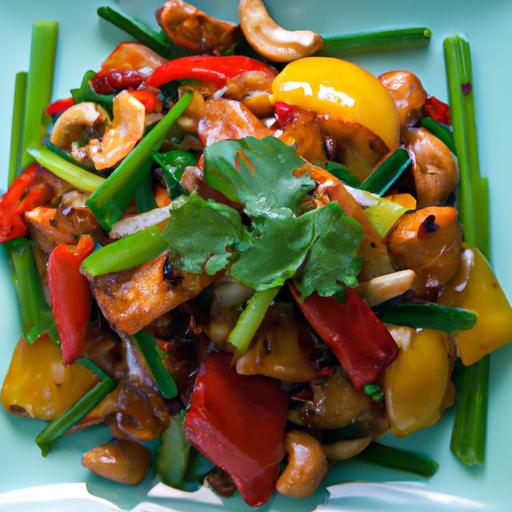

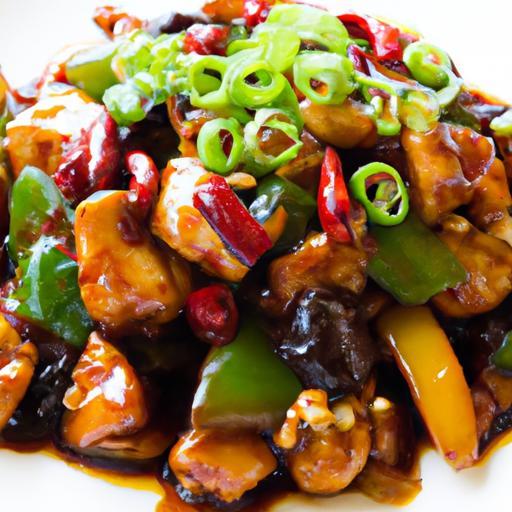
In the vibrant tapestry of Chinese cuisine, few dishes capture the creativity quite like Kung Pao Chicken. A harmonious blend of fiery spices,tender chicken,and crunchy peanuts,this iconic dish is more than just a meal-it’s a flavorful journey steeped in history and tradition. Originating from the bustling Sichuan province, Kung Pao Chicken has traveled across continents, delighting palates with its distinctive balance of heat, sweetness, and savory depth. Join us as we explore the spicy tradition and mouthwatering allure of kung Pao Chicken, uncovering the secrets behind its enduring popularity and timeless taste.
Kung Pao Chicken is a beloved staple in Sichuan cuisine, celebrated for its vibrant harmony of fiery spice and subtle sweetness. This iconic dish traces its roots back to the Qing dynasty and the legacy of Ding Baozhen, a governor nicknamed “Kung Pao.” What sets this recipe apart is its masterful blend of textures and flavors-crispy peanuts, tender chicken, and a glossy, tangy sauce that ignites the palate with every bite.
Prep and Cook Time
Preparation: 15 minutes
Cooking: 15 minutes
Yield
Serves 4 generous portions
Difficulty Level
Medium – Perfect for cooks ready to explore bold flavors and authentic techniques
Essential Ingredients for Authentic Flavor
- 500g boneless, skinless chicken thighs, cut into bite-sized cubes
- 3 tbsp sichuan peppercorns, lightly crushed
- 6-8 dried red chilies, halved and seeds removed for milder heat
- 3 garlic cloves, minced
- 1 tbsp fresh ginger, finely chopped
- 1/2 cup roasted peanuts, unsalted, for crunch
- 2 tbsp light soy sauce
- 1 tbsp dark soy sauce
- 1 tbsp Chinese Shaoxing wine
- 1 tbsp Chinese black vinegar
- 2 tsp granulated sugar
- 1 tbsp cornstarch, mixed with 2 tbsp water (slurry)
- 3 tbsp vegetable oil, divided
- 2 scallions, sliced thin on the bias
- Salt to taste
Mastering the Balance of Spice and Sweetness: Step-by-Step Instructions
- Prepare the marinade: Toss the chicken cubes with 1 tbsp soy sauce and 1 tbsp Shaoxing wine. Set aside for 10 minutes to infuse flavor and tenderize.
- toast the Sichuan peppercorns and chilies: Heat 1 tbsp vegetable oil in a wok over medium heat. Add peppercorns and dried chilies, stirring until fragrant (about 2 minutes).Remove and set aside to avoid burning.
- Sear the chicken: Increase heat to high, add remaining 2 tbsp oil, and stir-fry chicken until golden and cooked through, about 5-6 minutes. Remove chicken and set aside.
- Sauté aromatics: In the same wok, add garlic and ginger. Stir constantly until aromatic and just starting to brown, about 30 seconds.
- Combine and build the sauce: Return the toasted peppercorns and chilies to the wok. Add dark soy sauce, the remaining light soy sauce, black vinegar, sugar, and a pinch of salt.Stir and bring to a simmer.
- Thicken the sauce: Stir in the cornstarch slurry gradually,allowing the sauce to develop a glossy sheen that clings perfectly to the chicken.
- Return chicken and peanuts: Add chicken and roasted peanuts back into the wok. toss gently to coat evenly with the sauce and heat through for 1-2 minutes.
- Finish with scallions: Sprinkle the sliced scallions over the dish, adding a vibrant green contrast and fresh onion aroma just before serving.
Chef’s Tips for an Elevated Kung Pao Chicken Experience
- Chicken choice: Opt for thighs over breasts for superior juiciness and texture.
- Sichuan peppercorns: Use fresh and lightly crushed to release their signature tingly, numbing sensation, an essential part of the experience.
- controlling heat: adjust the number of dried chilies or remove seeds to tailor spiciness to your preference.
- Crunch factor: For extra texture, lightly roast peanuts in the oven before adding.
- Make-ahead sauce: The sauce mixture can be pre-mixed and stored for up to 2 days, saving valuable time on busy nights.
Creative Twists and Serving Suggestions
Elevate your kung pao Chicken by pairing it with aromatic jasmine rice or fluffy steamed bao buns. For a modern twist, serve atop quinoa or noodles tossed with scallion oil for a comforting fusion meal. Garnish with fresh cilantro, toasted sesame seeds, or finely sliced red chili for a pop of color and layered flavor. A side of crunchy stir-fried broccoli or snap peas complements the dish’s richness with refreshing crispness.
| Nutrient | Per Serving |
|---|---|
| Calories | 420 kcal |
| Protein | 35 g |
| Carbohydrates | 15 g |
| Fat | 22 g |

Hungry for more Sichuan spice adventures? Explore our Sichuan Spicy Hot Pot recipe for a communal feast bursting with flavor. For deeper insight into the cultural roots of Sichuan dishes, visit Wikipedia’s sichuan cuisine page.
Q&A
Q&A: Kung Pao Chicken – Spicy Tradition Meets Flavorful Delight
Q1: What is Kung Pao Chicken, and where did it originate?
A1: Kung Pao Chicken is a classic Chinese dish known for its bold, spicy, and slightly sweet flavors. Originating from Sichuan Province in southwestern China, it embodies the region’s love for fiery heat balanced with complex seasonings. The dish traditionally features diced chicken, peanuts, vegetables, and chili peppers stir-fried together in a savory, tangy sauce.
Q2: Why is Kung Pao Chicken so famously spicy?
A2: the signature spiciness of Kung Pao Chicken comes from Sichuan peppercorns and dried red chili peppers. Sichuan peppercorns create a unique numbing sensation on the tongue, complementing the heat from the chilies. this combination is central to Sichuan cuisine’s “mala” flavor profile, meaning “numbing and spicy,” delivering a tantalizing sensory experience.Q3: What ingredients define the authentic flavor of kung Pao Chicken?
A3: Authentic Kung Pao Chicken is a harmonious blend of diced chicken marinated in soy sauce and Shaoxing wine,roasted peanuts,dried chilies,garlic,ginger,and scallions. A mix of soy sauce, vinegar, sugar, and sometimes hoisin creates a complex sauce that’s sweet, savory, tangy, and spicy all at once.
Q4: How has Kung Pao Chicken evolved outside of China?
A4: As the dish traveled globally, adaptations emerged to suit local palates. In many Western versions,the spiciness is frequently enough toned down,and ingredients like bell peppers or cashews replace traditional elements. Despite these tweaks, the core essence-a balance of heat, crunch, and savory-sweet flavors-remains, making Kung Pao Chicken a beloved staple worldwide.
Q5: Can Kung Pao Chicken be made vegetarian or vegan?
A5: Absolutely! Tofu, tempeh, or even mushrooms can replace chicken, absorbing the bold sauce beautifully. Vegetables like bell peppers, zucchini, and water chestnuts add texture and color. By using plant-based proteins and vegetable stock,the dish retains its signature flavor and kick without any animal products.
Q6: What makes kung Pao Chicken a dish worth trying at home?
A6: Beyond its vibrant taste, Kung Pao Chicken offers a perfect chance to explore Chinese cooking techniques like stir-frying and balancing flavors. It’s quick to prepare, endlessly customizable, and delivers a satisfying medley of textures and spices. Cooking it at home means you can dial up the heat,experiment with ingredients,and bring a bit of Sichuan magic to your dinner table.
Q7: Any tips for achieving restaurant-quality Kung Pao Chicken?
A7: For that authentic edge, use fresh dried chilies and Sichuan peppercorns if you can find them. Marinate the chicken to keep it tender and juicy. Stir-fry over high heat for a quick sear and crunch. toast your peanuts to deepen their flavor, and always balance your sauce with a touch of sweetness and acidity to create that crave-worthy harmony.
Kung Pao Chicken isn’t just a dish-it’s a story on a plate, fusing tradition, spice, and complex flavors into every bite. Whether you savor it in a bustling Sichuan street market or craft it lovingly in your own kitchen, it promises a delicious adventure for your palate.
The Conclusion
Whether you’re a seasoned foodie or a curious newcomer to Chinese cuisine, Kung Pao Chicken offers a vibrant dance of flavors that’s both steeped in tradition and bursting with personality. This beloved dish, with its perfect harmony of spicy, sweet, and savory notes, invites us to savor not just a meal but a rich cultural story.So next time you dig into those tender, crispy morsels glazed in fiery sauce, remember: you’re experiencing a flavorful delight that has been thoughtfully crafted through generations-a true testament to the enduring art of Chinese culinary tradition.