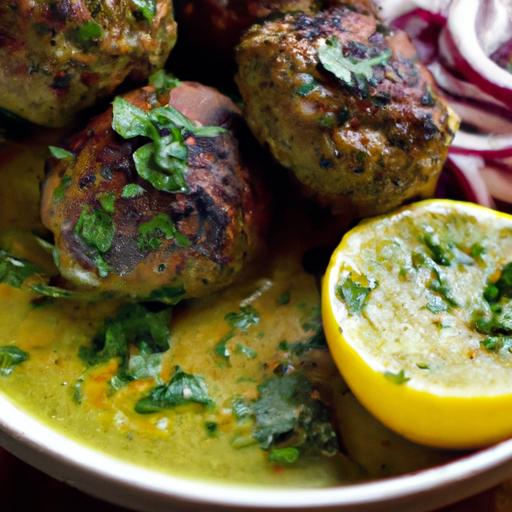

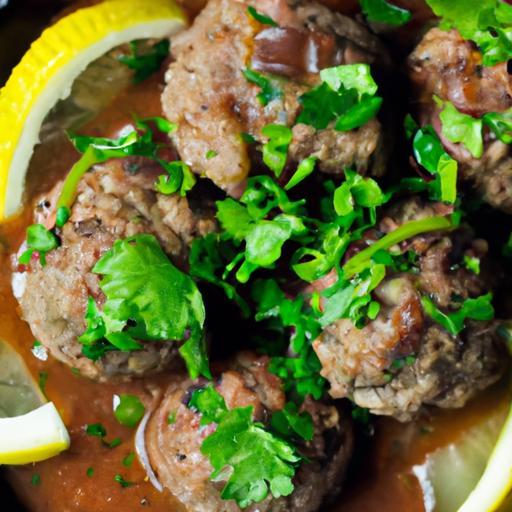
From the bustling bazaars of Istanbul to the vibrant street corners of Mumbai, meatballs have rolled their way into the hearts-and plates-of cultures across the globe. welcome to the “Kofta Chronicles,” a savory journey that unpacks the rich history, diverse flavors, and culinary traditions behind one of the world’s most beloved comfort foods. More than just ground meat shaped by hand, kofta and its many international cousins tell stories of heritage, innovation, and the universal joy found in a perfectly spiced bite.Join us as we explore these succulent spheres that transcend borders, inviting you to savor the world’s most delicious meatball tales.
Kofta Chronicles: Exploring the World’s Savory Meatballs
Kofta Chronicles: Exploring the World’s Savory Meatballs invites you on a culinary journey through one of the most beloved dishes across continents. Originating from the rich lands of the Middle East and spreading its delightful aromas far beyond, kofta stands as a symbol of cultural fusion and soulful comfort. From the fragrant spices of Moroccan tagines to the vibrant tomato sauces of South Asia, each bite tells a captivating tale of tradition, evolution, and innovation.
Prep and Cook Time
- Preparation: 25 minutes
- Cooking: 20 minutes
- Total Time: 45 minutes
Yield
- Serves 4 generous portions
Difficulty Level
- Medium – Ideal for home cooks eager to master authentic flavors and techniques
Origins and evolution of Kofta Across Cultures
Tracing its roots to the Persian and Ottoman empires, the dish known today as kofta reveals a dazzling tapestry of influences.Traditionally crafted from finely ground lamb or beef, it has journeyed across borders, adapting to local tastes, ingredients, and cooking methods. In Turkey, kofta embraces smoky grilled versions; in India and Pakistan, it’s often simmered in sumptuously spiced gravies, while North African kitchens add raisins and nuts to elevate its texture and flavor. This rich history not only underscores kofta’s universal appeal but also reflects the shared love for meatballs that unite diverse culinary identities.
unique Regional Variations and Signature Spices
while the base of minced meat remains constant, every region lights up kofta with its own palette of herbs and spices. Moroccan kofta dazzles with cumin, coriander, and cinnamon; the Indian subcontinent layers it with garam masala, turmeric, and fresh cilantro; meanwhile, Greek versions favor oregano and mint. The addition of bulgur wheat or rice in some versions helps bind the mixture and add earthiness, while others use breadcrumbs for a lighter texture. The choices of fat – lamb fat, beef suet, or even ghee – further deepen the sensory experience. This variety invites experimentation, making kofta a versatile dish ripe for personal interpretation.
Mastering the Art of Kofta at Home Tips and Techniques
Learning to craft the perfect kofta teaches patience and precision. Always use fresh, high-quality ground meat with a good fat ratio (ideally 20%). Mixing the meat gently with wet hands, incorporating finely minced onions, garlic, fresh herbs, and spices helps achieve tender, juicy results. Resting the mixture in the fridge for at least 30 minutes allows flavors to meld and makes shaping easier. when forming the meatballs or patties, aim for uniform sizes to ensure even cooking. Whether you grill, pan-fry, or bake, avoid overcrowding the pan to maintain a beautiful crust. For juicy interiors, cook over medium heat and flip only once during cooking.
Pairing Kofta with Complementary Side Dishes and Sauces
Kofta shines when paired thoughtfully. On a humble plate, it loves company – silky saffron rice, fresh cucumber-yogurt raita, or fluffy flatbreads like pita or naan create a harmonious balance. Tomato-based sauces imbued with garlic and herbs emphasize its richness, while creamy tahini or mint chutney add refreshing contrasts. For a hearty twist, serve kofta with spiced lentils or smoky grilled vegetables, garnished with toasted pine nuts and fresh parsley for added texture and visual appeal. This creates a vibrant and colorful feast that enchants both the eye and palate.
Ingredients
- 500g ground lamb (or beef blend, 80/20 fat ratio)
- 1 small onion, finely minced
- 3 cloves garlic, crushed
- 1/2 cup fresh parsley, chopped
- 1 tsp ground cumin
- 1 tsp ground coriander
- 1/2 tsp smoked paprika
- 1/2 tsp ground cinnamon
- 1/4 tsp cayenne pepper (optional, for heat)
- 1 tsp salt
- 1/2 tsp black pepper
- 1/4 cup breadcrumbs (or soaked fine bulgur for texture)
- 1 large egg, beaten
- 2 tbsp olive oil (for frying or grilling)
Instructions
- Combine the Ingredients: In a large bowl, gently mix ground lamb, minced onion, garlic, parsley, cumin, coriander, paprika, cinnamon, cayenne, salt, pepper, breadcrumbs, and egg. Use your hands for even incorporation but avoid overmixing to maintain tenderness.
- Chill the Mixture: Cover the bowl with plastic wrap and refrigerate for 30-45 minutes. This step firms the mixture, making shaping easier and flavors deeper.
- Shape the Kofta: Using damp hands, form the mixture into uniform meatballs (about 1.5-inch diameter) or hand-shaped ovals. Uniform size ensures even cooking.
- Heat the Cooking Surface: Warm olive oil in a skillet over medium heat or preheat a grill. Avoid high heat to keep centers juicy without burning exteriors.
- Cook the Kofta: Place kofta in the skillet or on the grill, spacing them apart. Sear until golden brown, about 4-5 minutes per side, flipping once carefully. Internal temperature should reach 70°C (160°F).
- Rest and Serve: Remove kofta from the heat and let rest for 5 minutes. This locks in juices and enhances texture.
- optional Sauce Preparation: Pair with a rich tomato sauce or fresh herb yogurt dip to complement flavors beautifully.
Tips for success
- Substitutions: Try ground turkey or chicken for a lighter option. Adjust spices to personal heat tolerance.
- Binding Agents: If mixture feels loose, add extra soaked breadcrumbs or a small spoon of gram flour to improve coherence.
- Make-Ahead: The shaped kofta can be frozen raw on a baking sheet before transferring to bags. Cook from frozen, adding extra 3-4 minutes.
- Even Cooking: Use a meat thermometer for perfect doneness without cutting into the kofta.
- Grilling Tip: Thread kofta onto skewers for uniform cooking and ease of turning.
Serving Suggestions
Arrange your Kofta Chronicles creation on a rustic platter garnished with fresh parsley and pomegranate seeds for bursts of freshness and color. Serve alongside warm,fluffy naan bread and a dollop of cool cucumber raita. Drizzle with olive oil and sprinkle toasted pine nuts for texture contrasts. A side of tahini sauce or fragrant saffron rice completes a wholly satisfying and picture-perfect meal.

| Nutrient | Per Serving |
|---|---|
| Calories | 320 kcal |
| Protein | 22g |
| Carbohydrates | 8g |
| Fat | 22g |
Q&A
Q&A: Kofta Chronicles – Exploring the World’s Savory Meatballs
Q1: What exactly are koftas?
A: Koftas are succulent, seasoned meatballs found in various cuisines across the globe. Made primarily with ground meat-such as lamb, beef, chicken, or even fish-they’re frequently enough mixed with herbs, spices, onions, and sometimes bulgur or rice. Whether grilled, fried, baked, or simmered in rich sauces, koftas symbolize comfort and culinary creativity in many cultures.
Q2: Where did koftas originate?
A: While the exact origin is a culinary mystery,koftas trace their roots to the Middle East and South Asia,with historical references going back centuries. the word “kofta” itself comes from the Persian “kūfta,” meaning “pounded” or “ground,” highlighting the technique of mincing meat. Over time,koftas spread far and wide,adapting to local tastes and ingredients across the Mediterranean,the Balkans,India,and beyond.
Q3: How do koftas differ across regions?
A: Each region brings its own twist to the humble meatball! In Turkey, kofta might be seasoned with cumin and grilled on skewers; in India, spicy lamb koftas frequently enough swim in creamy tomato-based gravies; in the Balkans, beef and pork blends are common, sometimes paired with yogurt sauces. Even vegetarian koftas, crafted from lentils or vegetables, showcase the versatility of this dish worldwide.
Q4: What makes koftas so universally beloved?
A: Koftas embody a perfect harmony of flavor, texture, and cultural storytelling. Their bite-sized form makes them perfect for sharing and communal dining. They’re a channel for tradition, yet endlessly adaptable-able to honour family recipes or inspire modern fusion creations. In every corner of the world, koftas tell a savory story of spice, heritage, and hospitality.Q5: Can koftas be healthy?
A: Absolutely! While traditionally made from red meats, koftas can easily be tailored for health-conscious eaters. Using lean meats, incorporating vegetables, or opting for plant-based alternatives can lighten the dish. Grilling instead of frying reduces fat content, and pairing koftas with whole grains and fresh salads balances nutrition without compromising flavor.
Q6: How can I start making koftas at home?
A: Begin with fresh ground meat or your preferred protein base. Combine it with finely chopped onions, garlic, herbs (like parsley or cilantro), and spices relevant to your chosen style-such as cumin, coriander, turmeric, or cinnamon. Add a binder like egg or bread crumbs. Shape the mixture into balls or patties, then cook by grilling, baking, or simmering in sauce. Don’t forget to experiment with dipping sauces-they’re the finishing touch that elevates your kofta experience!
Q7: What is the future of koftas in global cuisine?
A: With the rise of fusion cooking and plant-based diets, koftas are evolving beyond tradition. Expect innovative blends featuring global spices,option proteins like jackfruit or chickpeas,and creative presentations. Their universal appeal positions them as ambassadors of cultural exchange, inviting food lovers everywhere to savor the rich tapestry of flavors wrapped in these beloved meatballs.
whether you’re a seasoned epicurean or a curious beginner,koftas offer a savory journey that spans continents and centuries. From sizzling street food stalls to elegant dining tables, these meatballs remain a timeless testament to the joy of shared meals and bold flavors.
Key Takeaways
From the bustling spice markets of Marrakech to the cozy taverns of Istanbul, koftas have journeyed across continents and cultures, embedding themselves in the culinary hearts of many. These savory meatballs, in their endless variations, tell stories of tradition, innovation, and the timeless human love for richly flavored comfort food. Whether nestled in fragrant rice, wrapped in warm flatbreads, or simmered in vibrant sauces, koftas invite us to explore the world one bite at a time. As we close the chapter on this flavorful voyage, may your next encounter with kofta inspire you to savor not just the taste, but the rich history and cultural tapestry woven into every morsel.