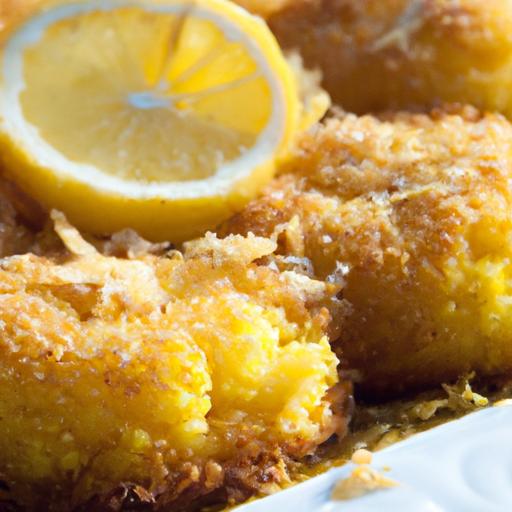

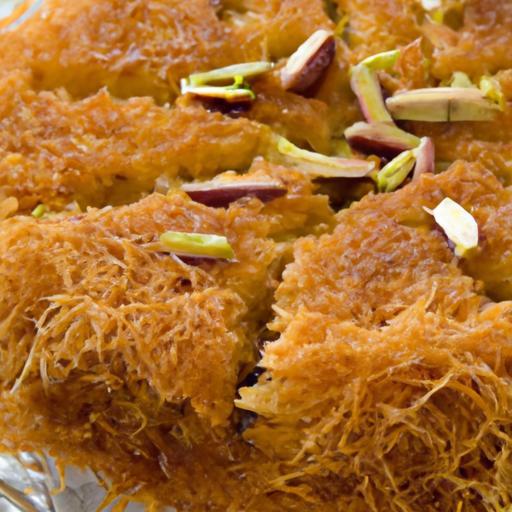
Nestled within the bustling markets and sun-soaked streets of the Middle East lies a dessert that has tantalized taste buds for centuries-knafeh. This golden, cheese-filled pastry, layered with delicate strands of crispy semolina or kataifi dough and drenched in fragrant rose or orange blossom syrup, is more than just a treat; it’s a symbol of culture, celebration, and sweet tradition. In this article, we’ll uncover the rich history, unique ingredients, and regional variations of knafeh, revealing why this luscious delight continues to captivate dessert lovers around the world. Prepare to embark on a sensory journey that explores the sweet secret behind one of the Middle East’s most cherished culinary treasures.
The Origins and Cultural Significance of Knafeh in Middle Eastern Traditions
Knafeh uncovered: the sweet secret of Middle Eastern delight is a journey into centuries-old culinary heritage, celebrated from the Levant to the Arabian Peninsula. This cherished dessert, with its vibrant orange hue and luscious cheese-centered heart, holds more than just extraordinary flavor-it embodies family traditions, festive celebrations, and regional pride. Historically, knafeh is said to have roots tracing back to the ancient Nabateans, evolving through Ottoman influences to become a symbol of hospitality and joyous gatherings.
The ritual of preparing and sharing knafeh is intertwined with joyous occasions, especially during Ramadan and Eid festivities. It’s not merely a dessert but a cultural emblem representing sweetness in life’s milestones. Every bite carries stories passed down through generations, of craftsmanship, communal sharing, and a meticulous balance of textures and tastes.
The Art of Crafting the Perfect Knafeh: Ingredients and Techniques Revealed
Mastering the art of knafeh uncovered: the sweet secret of Middle Eastern delight revolves around harmonizing key ingredients and time-honored techniques to achieve the iconic crispy crust and melting cheese interior. The core components include the delicate kataifi pastry-shredded phyllo threads-fresh stretchy cheese such as Akkawi or Nabulsi, and a fragrant rose or orange blossom syrup that enhances its irresistible aroma.
attention to detail is paramount. The kataifi strands must be gently separated and combined with melted unsalted butter to create a crisp, golden base. Layering with fresh cheese ensures gooeyness without overpowering saltiness. Baking until the edges turn a deep amber, followed by an even drizzle of scented syrup, creates a mesmerizing blend of textures-crisp, creamy, and syrup-kissed.
Prep and Cook Time
- Prep Time: 30 minutes
- Cook Time: 25 minutes
- Total Time: 55 minutes
Yield
Serves 6 to 8 enthusiasts eager to indulge.
Difficulty Level
Medium – Perfect for home cooks ready to elevate their dessert repertoire.
Ingredients
- 500g kataifi pastry (shredded phyllo dough),thawed
- 300g Akkawi cheese,soaked in water overnight to reduce salt,then shredded
- 150g unsalted butter,melted
- 1 cup granulated sugar
- 1/2 cup water
- 1 tbsp fresh lemon juice
- 1 tbsp rose water or orange blossom water
- 1/2 cup finely ground pistachios for garnish
Instructions
- Prepare the syrup: In a saucepan,combine sugar,water,and lemon juice. Bring to a boil, then reduce heat and simmer for 7-10 minutes until slightly thickened. Remove from heat, stir in rose water, and let cool wholly.
- preheat your oven to 350°F (175°C). Butter a 9-inch round baking pan evenly.
- Work the kataifi pastry: Using your fingers, gently tease apart the strands to separate clumps. Pour melted butter over the kataifi and toss thoroughly until every thread is coated and glistening.
- Create the bottom layer: Press half of the buttered kataifi evenly into the pan to form the base. Press firmly but gently to compact the strands without squashing them entirely.
- Layer the cheese: Evenly spread the shredded Akkawi cheese over the base, ensuring full coverage but avoiding clumps.
- Top with remaining kataifi: Cover the cheese with the rest of the buttered shredded dough, pressing lightly to form the crust.
- Bake: Place the pan in the oven and bake for 25 minutes or until the top is golden-orange and crisp.
- Finish with syrup: As soon as you remove the knafeh from the oven, evenly pour the cooled syrup over the hot pastry. This step seals in sweetness and adds that signature sticky glaze.
- Garnish and serve: Sprinkle finely ground pistachios generously on top. Let the dessert rest for 5 minutes before slicing to allow flavors to meld.
Tips for Success
- Soaking Akkawi cheese overnight removes excess saltiness, key for balanced sweetness.
- Butter the baking pan generously to prevent sticking and encourage an even crust.
- If Akkawi cheese is unavailable, substitute with a mild mozzarella blended with ricotta to approximate texture and meltiness.
- for extra crispness, scatter a handful of semolina flakes into the bottom layer before adding cheese.
- Serve warm; knafeh’s appeal lies in its molten cheese centre and crisp exterior.
- Make-ahead tip: prepare the syrup in advance and store in the fridge. Warm slightly before drizzling.
serving Suggestions
Present knafeh on a decorative platter, accompanied by a side of tangy ayran or fragrant Arabic coffee to cleanse the palate. For an enchanting visual and fragrant accent, add whole rose petals or edible gold leaf. Pair with fresh mint leaves or a light dusting of cinnamon for contrast.
| Nutrient | Per Serving (Approx.) |
|---|---|
| Calories | 430 kcal |
| protein | 12 g |
| Carbohydrates | 45 g |
| fat | 22 g |
For an in-depth exploration of Middle Eastern desserts and pairing ideas,visit our Middle Eastern Dessert Guide. To understand more about the cultural history behind knafeh, the Encyclopedia Britannica provides a trusted reference.

Q&A
Q&A: Knafeh Uncovered – The Sweet Secret of Middle Eastern Delight
Q1: What exactly is Knafeh?
A1: Knafeh is a luscious Middle Eastern dessert that masterfully combines crispy, golden strands of pastry with creamy cheese or semolina pudding, all drenched in fragrant rose or orange blossom syrup. it’s a symphony of textures and flavors that dance on your palate, sweet yet savory, crisp yet gooey.
Q2: Where did Knafeh originate?
A2: While every Middle Eastern region claims its own beloved version, Knafeh is believed to have deep roots in the Levant-especially Palestine, Lebanon, and Syria. Its history traces back centuries as an indulgent treat reserved for celebrations and special occasions.
Q3: What makes Knafeh so unique compared to other desserts?
A3: Unlike many desserts that rely solely on sweetness, Knafeh excels through contrast: the crunchy shredded pastry (kataifi) enveloping a velvety, often slightly salty cheese filling-a flavor interplay heightened by the aromatic syrup poured over at serving. It’s that sweet-savory balance that makes knafeh stand apart.
Q4: Are there different types of Knafeh?
A4: Absolutely! Some versions use stretchy Akkawi or Nabulsi cheese, others embrace a semolina custard base. The pastry can vary too-kataifi (shredded phyllo dough) or a smooth, fine dough known as khishnah. Each region adds its own twist, sprinkling pistachios or rose petals for extra flair.
Q5: How is Knafeh traditionally served?
A5: Often piping hot and fresh from the oven, Knafeh is typically served in stunning, often copper, pans. Served at room or warm temperature, it’s commonly garnished with crushed pistachios and a drizzle of syrup. Sharing Knafeh is a communal joy,a centerpiece of festivity and togetherness.
Q6: Can you make Knafeh at home?
A6: Definitely! While it might seem daunting, homemade knafeh is doable with patience and the right ingredients. Key tips include shredding the kataifi dough properly, choosing the right cheese (or making a custard alternative), and mastering the syrup balance. Its rewarding flavors make the effort worthwhile.
Q7: Why has Knafeh gained global popularity in recent years?
A7: As Middle Eastern cuisine captures international attention,Knafeh’s irresistible combination of flavor,texture,and cultural story has enchanted food lovers worldwide. Its Instagram-worthy appearance and unforgettable taste have propelled it from local jewel to global darling.
Q8: What cultural significance does Knafeh hold?
A8: Beyond flavor, Knafeh symbolizes hospitality, celebration, and heritage. It’s often a dessert of choice during Ramadan, Eid, weddings, and family gatherings-reminding everyone that sweetness is best when shared.
Q9: Any fun facts about Knafeh?
A9: Hear’s a delicious tidbit: In Nablus, Palestine, there’s an entire festival dedicated to Knafeh, celebrating the city’s pride in its cheese-filled treasure. And some legends even claim Knafeh was a favorite of ancient sultans!
Q10: Where’s the best place to try authentic Knafeh?
A10: For the truest taste, head to Middle eastern bakeries and cafes in cities like Nablus, Beirut, or Damascus, where artisans pass down recipes through generations. But nowadays, many global cities boast excellent Knafeh spots thanks to the diaspora’s culinary passion.
With its golden threads and melting heart, Knafeh invites you to savor not just a dessert, but a sweet slice of Middle Eastern culture-one bite at a time.
To Conclude
As the final golden threads of knafeh melt on your tongue, it becomes clear that this Middle Eastern delight is more than just a dessert-it’s a celebration of history, culture, and craftsmanship woven into every bite.From its delicate balance of creamy cheese and crisp pastry to the fragrant kiss of rosewater and pistachios, knafeh invites us to savor not only sweetness but the rich stories behind it. Weather enjoyed in a bustling café or recreated in your own kitchen, knafeh remains a timeless secret, lovingly passed down through generations, reminding us that sometimes, the sweetest treasures are the ones we uncover together.