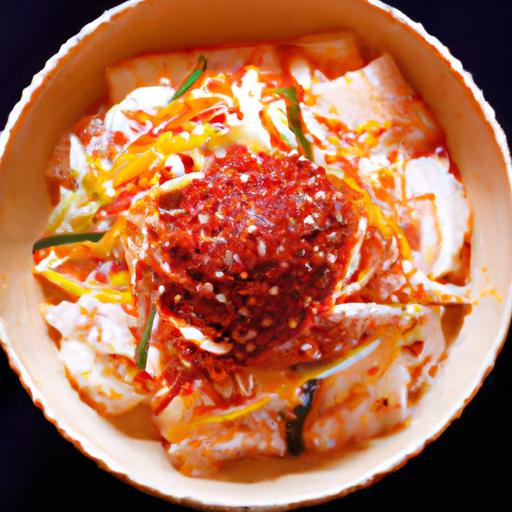

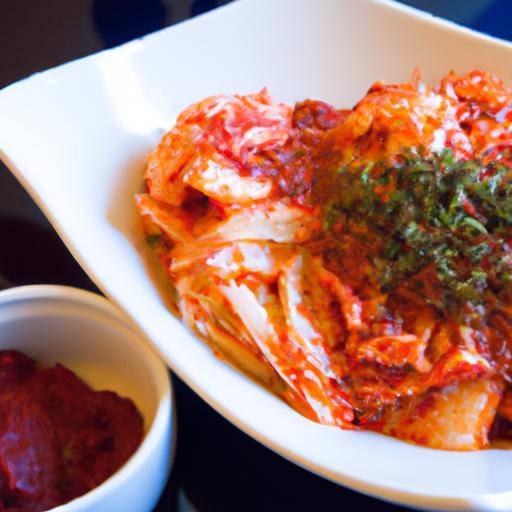
Beneath the fiery red hues and tantalizing aromas of Korea’s kitchen lies a culinary treasure that transcends mere flavor-kimchi. More than just a side dish, this fermented marvel is a vibrant emblem of Korean heritage, weaving together centuries of tradition, community, and resilience. In “Kimchi Unveiled: Korea’s Spicy tradition and Health Booster,” we embark on a journey to explore how this humble blend of cabbage, chili, and time-honored techniques not only ignites the palate but also nurtures the body. Join us as we uncover the rich history, cultural meaning, and surprising health benefits that have made kimchi an iconic staple celebrated far beyond Korea’s borders.
Kimchi Unveiled reveals the soul of Korea’s vibrant culinary heritage and the profound health benefits tucked inside every spicy, crunchy bite. This iconic fermented dish has journeyed through centuries, evolving from humble preservation roots to a global health sensation. Preparing authentic kimchi at home unlocks a world of flavor and wellness that’s accessible to every kitchen enthusiast.Join me as we dive into crafting the perfect kimchi and learn how to seamlessly enrich your diet with this nutritional powerhouse.
Prep and Cook Time
Preparation: 20 minutes | fermentation: 3 to 7 days (depending on room temperature and taste preference)
Yield
Approximately 1 quart (4 servings)
Difficulty Level
Medium – Involves multiple steps but very rewarding for beginners ready to explore fermentation.
Ingredients
- 1 large Napa cabbage (about 2 to 3 pounds), quartered and rinsed
- 1/4 cup sea salt (non-iodized) for salting cabbage
- 4 cups cold water
- 3 tablespoons Korean red pepper flakes (gochugaru) – adjust to taste
- 5 cloves garlic, minced
- 1 tablespoon fresh ginger, finely grated
- 2 teaspoons sugar
- 4 green onions, chopped
- 1 small daikon radish (about 6 inches), julienned
- 3 tablespoons fish sauce (or soy sauce for vegetarian option)
- Optional: 1 small carrot, peeled and julienned for extra crunch
Instructions
- Prepare the cabbage: Cut the Napa cabbage lengthwise into quarters, then soak in cold water mixed with sea salt. Rub salt between the layers carefully to ensure even seasoning. Let soak for 2 hours,turning occasionally for even wilting. This step enhances crunch and starts vital fermentation.
- Rinse and drain: After salting, rinse the cabbage thoroughly three times under cold water to remove excess salt. Drain well, pressing lightly to expel water but keep leaves moist.
- Create the chili paste: In a mixing bowl, combine the gochugaru, minced garlic, grated ginger, sugar, and fish sauce. Stir until you get a deep red, slightly thick paste. Pro tip: Adjust the amount of red pepper flakes to control spice intensity.
- add fresh vegetables: Incorporate chopped green onions, julienned daikon radish, and carrot (if using) into the chili paste. Mix thoroughly to coat every strand, building layers of texture and flavor.
- Mix with cabbage: Wearing disposable gloves (to protect your hands from chili), carefully spread the chili paste mixture evenly between every cabbage leaf.The vibrant red paste should coat every crevice – this ensures balanced fermentation and authentic taste.
- Pack into container: Firmly pack the coated cabbage into a clean, airtight glass jar or fermentation crock. Press down to remove air pockets. Leave about an inch space at the top to allow for bubbling gases.
- Fermentation: Close the jar loosely or cover with a cloth secured by a rubber band to allow gases to escape. Leave at room temperature (around 68-72°F) for 3 to 7 days. Taste daily – when it reaches your preferred tanginess,transfer to the refrigerator to slow fermentation and enjoy.
Tips for success
- Choosing cabbage: Fresh, crisp Napa cabbage is essential for crunch and flavor depth.
- Salt is key: Use non-iodized sea salt; iodized salt can inhibit fermentation.
- Fermentation timing: Warmer environments speed up fermentation; cooler spaces slow it down. Adjust accordingly and always trust your taste buds.
- Make-ahead: Kimchi improves with time and is best after fermenting for at least a week. Store leftovers tightly sealed in the fridge for up to a month.
- For vegan kimchi: Replace fish sauce with soy sauce or tamari.
Serving Suggestions
Kimchi shines as a versatile accompaniment-from conventional Korean dishes like bibimbap and Korean BBQ to adding a spicy crunch to sandwiches and tacos. Serve chilled or lightly sautéed with sesame oil and toasted seeds as a flavorful side. Garnish with fresh chopped green onions and a drizzle of sesame oil for an irresistible finish. Pairing kimchi with creamy rice or noodles creates balanced, satisfying meals.

| Nutrient | Per Serving (1/4 cup) |
|---|---|
| Calories | 35 kcal |
| Protein | 2 g |
| Carbohydrates | 5 g |
| Fat | 0.5 g |
| Fiber | 2 g |
| Vitamin C | 30% DV |
| probiotics (Live) | High |
For further insight into fermentation and gut health,visit the National Geographic fermentation guide. interested in other Korean culinary classics? Check out our article on Bibimbap: Korea’s Iconic Mixed Rice bowl to deepen your Korean food journey.
Q&A
Q&A: Kimchi Unveiled – Korea’s spicy Tradition and Health Booster
Q1: What exactly is kimchi?
A1: Kimchi is a traditional Korean dish consisting of fermented vegetables, most commonly napa cabbage and Korean radishes, seasoned with a vibrant mix of chili pepper, garlic, ginger, and salted seafood. It’s a spicy, tangy, and deeply flavorful staple that has been enjoyed in Korea for centuries.
Q2: Why is kimchi considered so significant in Korean culture?
A2: Beyond being a beloved side dish, kimchi symbolizes the heart of Korean identity. It’s more than food; it’s a cultural heritage passed down through generations, representing community spirit, family bonding, and seasonal cycles, especially during the annual kimchi-making festival called Kimjang.
Q3: How does the fermentation process work in making kimchi?
A3: Fermentation is key to kimchi’s unique taste and health benefits.Beneficial bacteria, primarily lactobacillus species, break down sugars in the vegetables, producing lactic acid. This process creates the signature tangy flavor and also preserves the vegetables naturally, enhancing their shelf life.
Q4: What makes kimchi a health booster?
A4: Kimchi is a powerhouse of probiotics, antioxidants, vitamins (like A, B, and C), and dietary fiber. These components aid digestion,strengthen the immune system,reduce inflammation,and may even contribute to weight management and heart health. It’s like a spicy little guardian for your gut and overall wellness.
Q5: Are there different varieties of kimchi?
A5: Absolutely! Kimchi is incredibly diverse, with hundreds of regional and seasonal variations. You can find versions made from cucumbers (oi kimchi), radishes (kkakdugi), green onions (pa kimchi), and many other vegetables, each delivering its own texture, flavor, and spice level.
Q6: How can someone new to kimchi enjoy it?
A6: For the uninitiated, start by trying kimchi as a side to rice or melted into soups and stews. Its spicy,tangy punch complements many dishes,from grilled meats to noodles.Even mixing it into scrambled eggs or pancakes offers an adventurous flavor twist.
Q7: Can kimchi be made at home easily?
A7: Yes! While traditional kimchi-making can be an artful ritual, modern recipes simplify the process. With patience to let it ferment for a few days at room temperature and then refrigerate, anyone can craft their own batch-adjusting spice levels and ingredients to personal taste.
Q8: What’s the future of kimchi on the global culinary stage?
A8: Kimchi has already marched well beyond Korean borders, influencing international cuisine with its bold flavor and health perks.As global palates crave authentic, fermented foods, kimchi continues to inspire chefs and food lovers alike, securing its spicy legacy worldwide.
Dive into the vibrant world of kimchi, where tradition meets taste and health in a tangy, fiery burst of Korean culture!
To Wrap It Up
As we close the chapter on Kimchi’s vibrant story, it’s clear that this fiery staple is much more than just a side dish-it’s a living tradition, a cultural ambassador, and a potent health ally all rolled into one. From its humble origins in Korean kitchens to global tables embracing its bold flavors and benefits, Kimchi continues to bridge past and present, taste and wellness. Whether you’re drawn by its spicy kick or its probiotic promise, delving into Kimchi is an invitation to savor history, culture, and health in every tangy bite. So next time you reach for that jar, remember: you’re not just eating a condiment-you’re celebrating centuries of Korean culinary artistry and enjoying a timeless boost to your well-being.