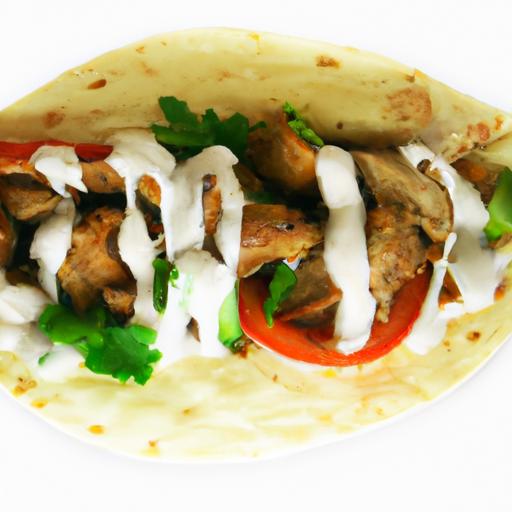

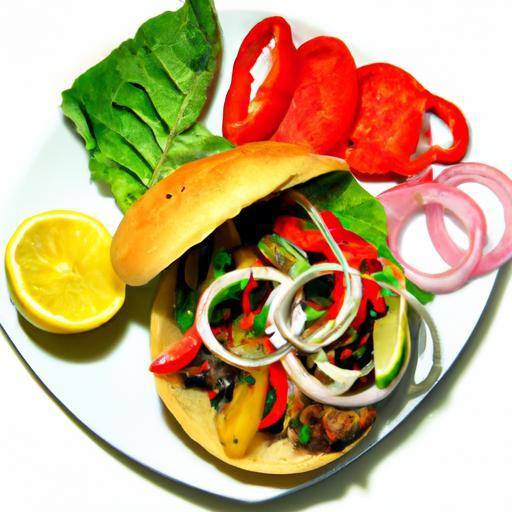
There’s something undeniably magnetic about the gyro-a symphony of sizzling meat, crisp vegetables, and tangy sauces all wrapped in warm, fluffy pita bread.But beyond its delightful flavors and street-food charm lies a rich tapestry of history, culture, and science spinning together wiht every bite. In “Gyro: Spinning Through the Science and Flavour of a Classic,” we unravel the secrets behind this Mediterranean marvel-from the physics of the rotating spit to the chemistry of its signature seasonings-inviting you to explore how tradition and technique converge to create a culinary icon that continues to captivate taste buds around the world.
Gyro: Spinning Through the Science and Flavor of a Classic
Gyro, a beloved street food that has traveled from the heart of Greece to tables worldwide, is a culinary masterpiece where science meets tradition. This iconic dish captures an irresistible harmony of flavors through carefully balanced marinades, expertly seasoned meats, and the freshness of vibrant accompaniments. Whether you’re craving the juicy, caramelized layers of meat or the creamy bite of tzatziki wrapped in soft, pita bread, this recipe unravels the secrets behind crafting the perfect gyro at home.
Prep and Cook Time
- Preparation: 20 minutes
- Marinating: 4 to 6 hours (preferably overnight)
- Cooking: 25 minutes
- Total Time: Approximately 5 hours (includes marination)
Yield
Serves 4 generously packed gyros
Difficulty Level
Medium – requires some prep and attention to layering flavors
Ingredients
- For the Meat Marinade:
- 1.5 lbs boneless pork shoulder or lamb, thinly sliced
- 4 cloves garlic, minced
- 2 tbsp olive oil
- 1 tbsp dried oregano
- 1 tsp ground cumin
- 1 tsp smoked paprika
- ½ tsp cayenne pepper (optional for warmth)
- Juice of 1 lemon
- Salt and black pepper to taste
- For the Tzatziki Sauce:
- 1 cup Greek yogurt (full-fat for creaminess)
- ½ cucumber, grated and drained
- 2 cloves garlic, finely minced
- 1 tbsp fresh dill, chopped
- 1 tbsp fresh lemon juice
- Salt and freshly ground pepper
- For the Wrap:
- 4 large pita breads or homemade flatbreads
- 1 small red onion, thinly sliced
- 2 medium tomatoes, sliced
- Fresh parsley, chopped (for garnish)
- Optional: crumbled feta cheese, pickled peppers
Instructions
- Marinate the Meat: In a large bowl, combine minced garlic, olive oil, oregano, cumin, smoked paprika, cayenne, lemon juice, salt, and pepper. Add thinly sliced meat and toss well to coat. Cover and refrigerate for a minimum of 4 hours, preferably overnight, allowing the spices to deeply infuse.
- Prepare the Tzatziki Sauce: While the meat marinates, grate cucumber and gently press out excess moisture. In a bowl, mix Greek yogurt, grated cucumber, garlic, dill, lemon juice, salt, and pepper. Adjust seasoning to taste. Refrigerate for at least 30 minutes to meld flavors.
- Cook the Meat: Heat a heavy skillet or grill pan over medium-high heat. Add marinated meat slices in a single layer; avoid overcrowding. Cook for 3-4 minutes per side until beautifully browned and crisp on edges. Remove from heat and let rest briefly.
- Warm the Bread: Lightly heat pita breads on the skillet or oven until soft and pliable but not crispy-about 1 minute per side.
- Assemble the Gyro Wraps: Lay warm pita on a flat surface. Spread a generous spoonful of tzatziki in the center.Layer with cooked meat, fresh tomato slices, red onion, parsley, and optional feta or pickled peppers for an extra tangy punch.
- Wrap and Serve: Fold pita tightly around filling, securing with parchment or foil if desired, and serve promptly with a side of crispy fries or a fresh Greek salad.
Tips for Success
- For authentic flavor, use fresh herbs like oregano and dill instead of dried when possible.
- Marinate overnight for tender, flavor-packed meat that melts in your mouth.
- Don’t skip draining the cucumber in your tzatziki – excess water leads to a runny sauce.
- Experiment with lamb, beef, or chicken to tailor your gyro experience.
- Wrap the cooked gyro in foil to keep it warm if serving later or for easy takeout-style enjoyment.
- If pressed for time, pre-made tzatziki and pita breads from reputable Greek markets are great shortcuts without compromising taste.
Serving Suggestions
Present your gyro with vibrant sides to round out the experience. Crisp patatas bravas, a fresh Greek salad with Kalamata olives, or a chilled glass of ouzo complement the smoky richness of the gyro meat perfectly. Garnish with extra lemon wedges and a sprinkle of freshly chopped parsley to brighten every bite. For an extra flavor boost, consider a drizzle of harissa or a sprinkle of sumac.

| Nutrient | Per Serving |
|---|---|
| Calories | 520 kcal |
| Protein | 38 g |
| Carbohydrates | 35 g |
| Fat | 22 g |
Ready to dive deeper into Mediterranean flavors? Check out our Greek Souvlaki recipe for another authentic street food experience. For more culinary history and expert techniques, visit Britannica’s detailed gyro entry.
Q&A
Q&A: Gyro – Spinning Through the Science and Flavor of a Classic
Q1: What exactly is a gyro?
A1: At its core, a gyro is a deliciously seasoned meat sandwich wrapped in warm pita bread, typically topped with fresh vegetables and a creamy tzatziki sauce. Originating from Greece, the gyro is a culinary icon that combines juicy, vertically roasted meat slices with radiant, tangy flavors for an unforgettable bite.
Q2: Why is it called a “gyro”?
A2: The word “gyro” (pronounced YEE-ro) comes from the Greek word for “circle” or “turn,” referencing the rotating vertical spit on which the meat cooks. As the meat slowly spins, it caramelizes and crisps on the outside while staying juicy inside-this turning motion is the heart of the gyro’s appeal.
Q3: How does the vertical rotisserie affect the meat’s flavor and texture?
A3: The slow spinning on a vertical rotisserie allows the meat’s natural fats to baste it as it cooks, resulting in tender, juicy layers infused with smoky, charred notes. The outer edges crisp up beautifully,adding a satisfying contrast to the soft interior. This method locks in moisture and delivers complex flavor through caramelization and gentle roasting.
Q4: What kinds of meat are traditionally used in gyros?
A4: Traditionally, gyros use pork or chicken in Greece, but beef and lamb are also popular. The meats are thinly sliced and seasoned with a blend of herbs and spices like oregano, garlic, and cumin before cooking, giving the gyro its characteristic aromatic profile.
Q5: what’s the science behind tzatziki, the classic gyro sauce?
A5: Tzatziki’s magic lies in its balance of creamy, tangy, and refreshing elements. It’s made from strained yogurt, cucumber, garlic, lemon juice, and dill. The yogurt’s live cultures create a smooth texture and mild acidity, which complements the rich meat. The cucumbers add moisture and crunch, while garlic and herbs inject bright, savory notes. Together, they create a refreshing counterpoint to the hearty meat.
Q6: Why is pita bread the perfect vessel for a gyro?
A6: pita bread is uniquely suited to holding a gyro because it’s sturdy yet soft and slightly chewy. Its pocket-like structure can cradle the meat and toppings without falling apart, while its neutral flavor lets the bold fillings shine. Plus, it’s easy to fold, making the gyro a perfect street-food handheld delight.
Q7: Can homemade gyros match the flavor of those from a traditional gyro stand?
A7: Absolutely! With the right blend of seasonings, marinated meat, and fresh toppings, you can recreate the magic at home. The key is slow cooking the meat, either on a rotisserie or in the oven, and layering the sandwich with crisp veggies and tangy tzatziki.The sensory experience of slicing the meat as it cooks is part of what makes gyro stands so special-something homemade cooks can emulate with a bit of patience and passion.
Q8: How has the gyro evolved across cultures?
A8: From its Greek roots, the gyro’s concept inspired dishes like the Turkish döner kebab and the Middle Eastern shawarma-each with local twists on meat, spices, and accompaniments. In modern times, fusion versions have appeared with creative fillings, sauces, and even plant-based alternatives, proving the gyro’s versatility and global appeal.
Q9: What makes the gyro a timeless culinary classic?
A9: The gyro hits a perfect harmony of texture, flavor, and convenience. It marries smoky,juicy meat with tangy sauce and fresh crunch,all wrapped in soft bread,making it satisfying and portable. Its rich history and adaptability keep it endlessly fascinating and beloved worldwide.
Q10: Any tips for someone eager to try making or tasting an authentic gyro?
A10: when seeking an authentic gyro, look for evenly sliced, well-seasoned meat cooked on a vertical spit. Don’t underestimate the power of fresh tzatziki and crisp veggies-they’re the perfect partners to the meat’s richness. At home, marinate your meat well, slice thin, and let patience do the cooking-slow heat is the secret to juicy, flavorful gyros that spin through the science of taste and tradition!
In Conclusion
As the tantalizing aroma of seasoned meat swirls from a sizzling spit, the gyro invites us not just to savor layers of flavor, but to explore a rich tapestry of culture, science, and tradition. From the physics behind its perfect spin to the alchemy of spices that awaken our senses, the gyro is more than just a meal-it’s a rotating masterpiece of culinary ingenuity. So next time you unwrap that warm pita, take a moment to appreciate the harmony of science and flavor twirling together in every bite. After all, the gyro’s timeless dance reminds us that sometimes, the best stories are the ones we can taste and share.